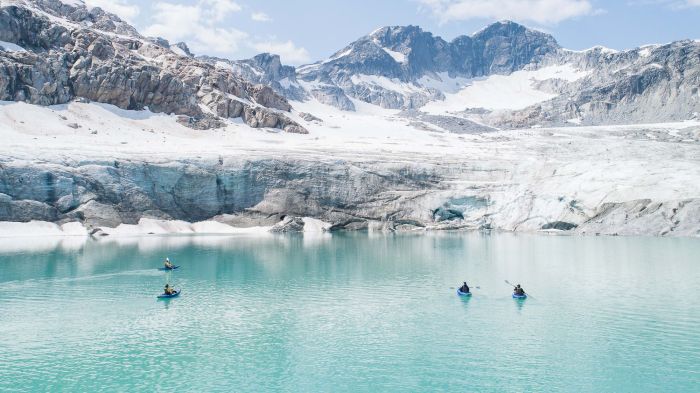
Adventure destinations around the world beckon with unparalleled excitement, promising journeys that transcend the ordinary. This exploration delves into a diverse range of thrilling locales, from the soaring peaks of the Himalayas to the vibrant coral reefs of the Pacific. We’ll navigate the planning process, from securing affordable flights and choosing the ideal mode of transport to selecting unique and budget-friendly accommodations.
Prepare to discover the ultimate adventure, tailored to your style and budget.
This guide provides comprehensive information on planning and executing unforgettable adventure trips. We cover various aspects, including choosing the right destination based on your preferred adventure type, finding cost-effective travel options, and selecting suitable accommodations. We also offer practical tips and insights to help you make the most of your adventure, ensuring a safe and memorable experience.
Hotel Reviews and Tips
Choosing the right hotel can significantly impact your adventure travel experience. The right accommodation can provide a comfortable base for exploration, while the wrong one can lead to unnecessary stress and detract from your overall enjoyment. This section offers reviews of hotels popular with adventure travelers, along with tips to help you select the perfect lodging for your next trip.Finding a hotel that caters to adventurers requires careful consideration of several factors beyond just price.
While budget is a primary concern, the location’s proximity to activities, available amenities, and overall comfort are equally important. Prioritizing these elements will ensure your hotel supports rather than hinders your adventurous pursuits.
Hotel Reviews for Adventure Travelers, Adventure destinations around the world
Several hotels worldwide cater specifically to the needs of adventure travelers. For example, the “Adventure Inn” in Moab, Utah, is frequently praised for its proximity to Arches and Canyonlands National Parks. Reviewers consistently highlight its secure luggage storage, which is crucial for those participating in multi-day hikes or river rafting trips. In contrast, the “Summit Lodge” in Banff National Park, Canada, is known for its comfortable rooms and convenient ski shuttle service, making it ideal for winter sports enthusiasts.
However, reviews suggest that while its location is excellent, the lodge may be pricier than comparable hotels in the area. Finally, the “Jungle Oasis” eco-lodge in Costa Rica earns high marks for its commitment to sustainability and its close proximity to various rainforest activities, including zip-lining and guided nature walks. Reviews note that while the rooms are basic, the overall experience is enhanced by the lodge’s focus on responsible tourism.
Tips for Choosing a Hotel
When choosing a hotel for an adventure trip, consider the following:
- Location: Proximity to your planned activities is paramount. Look for hotels within walking distance or a short drive from trailheads, rental shops, or activity launch points.
- Amenities: Secure luggage storage is vital for multi-day excursions. Other beneficial amenities include laundry facilities (especially for longer trips), early check-in/late check-out options, and perhaps even gear drying rooms.
- Reviews: Read reviews from other adventurers. Pay particular attention to comments about the hotel’s suitability for travelers with outdoor gear and its cleanliness.
- Budget: Set a realistic budget and stick to it. Remember that many adventure destinations offer a range of accommodation options to suit different budgets.
- Transportation: Consider the hotel’s access to public transportation or its proximity to rental car services if you’ll need a vehicle to reach activity locations.
Hotels versus Other Accommodations
Hotels offer several advantages, including consistent quality, readily available amenities, and often 24/7 staff assistance. However, hotels can be more expensive than other options, such as hostels, guesthouses, or camping. Hostels provide a budget-friendly option, fostering social interaction but might lack privacy. Guesthouses often offer a more personalized experience, sometimes with locally sourced food and insights into the area, but might have limited amenities.
Camping, the most budget-friendly option, provides unparalleled immersion in nature but requires self-sufficiency and careful planning. The best choice depends on your budget, desired level of comfort, and the type of adventure you’re undertaking.
RV and Camper Travel
Embarking on an RV or campervan adventure offers unparalleled freedom and flexibility, allowing you to explore destinations at your own pace and immerse yourself in the landscapes. This guide provides a comprehensive overview of planning, costs, and vehicle considerations for a successful RV or campervan journey.
Types of RVs and Campervans
Choosing the right RV or campervan depends heavily on your travel style, budget, and the number of people traveling. Class A RVs, resembling large motorhomes, offer the most luxurious amenities but come with higher price tags and reduced maneuverability. Class B RVs, often built on van chassis, provide a balance of comfort and maneuverability, ideal for exploring diverse terrains.
Class C RVs, built on a cutaway van chassis with an overhead cab, offer a middle ground between Class A and Class B in terms of size and amenities. Campervans, typically converted vans or minibuses, are the most compact and fuel-efficient option, perfect for solo adventurers or couples seeking a more minimalist approach.
Planning Your Route and Finding Campsites
Careful route planning is crucial for a smooth RV or campervan journey. Consider factors such as road conditions, weight restrictions, and the height of your vehicle, especially when navigating narrow roads or mountainous areas. Many resources, including online mapping tools and RV-specific apps, can help you plan routes suitable for your vehicle and highlight potential obstacles. Securing campsites in advance, particularly during peak season, is highly recommended.
Websites and apps dedicated to RV camping provide detailed information on campsites, amenities, and reservation options. Remember to factor in the time needed to travel between destinations, allowing for flexibility and unexpected delays.
Maintaining Your RV or Campervan
Regular maintenance is vital for ensuring the safety and reliability of your vehicle during your journey. Before embarking on your trip, schedule a thorough pre-trip inspection, including checking tire pressure, fluid levels, and the functionality of essential systems. During your travels, regularly inspect your tires, brakes, and lights. Carry basic tools and spare parts, and be prepared to handle minor repairs.
Consider purchasing an extended warranty or roadside assistance plan for added peace of mind.
Costs Associated with RV and Campervan Travel
The cost of RV and campervan travel varies greatly depending on several factors, including the type of vehicle, travel duration, and chosen campsites. Fuel costs are a significant expense, particularly for larger RVs. Campsite fees range widely depending on location and amenities offered. Maintenance and repairs can also add up, particularly if unforeseen issues arise. Planning a budget that accounts for these expenses, including contingency funds for unexpected costs, is crucial for a financially responsible trip.
For example, a couple traveling for a month in a campervan might budget $3000-$5000, factoring in fuel, campsites, groceries, and potential maintenance. A family traveling in a Class A RV for the same duration might expect to spend considerably more, potentially $6000-$10,000 or even more, depending on their travel style and choices.
Unique Stays and Treehouses
Adventure travel isn’t just about the thrill of the activity; it’s about the entire experience, and that includes where you lay your head at night. Choosing unique accommodations can significantly enhance your journey, offering a memorable and immersive stay that complements your adventurous spirit. This section explores several options that provide a distinctive and unforgettable lodging experience, perfectly suited for the adventurous traveler.
Unique stays offer more than just a place to sleep; they provide an integral part of the overall adventure. Proximity to activities, the ambiance of the location, and the unique features of the accommodation itself all contribute to a richer and more fulfilling travel experience. The following examples showcase the variety and appeal of these unusual lodging options.
Types of Unique Accommodation Options
Several accommodation types offer a unique and memorable experience for adventure travelers. These options cater to diverse preferences and budgets, ensuring a suitable choice for every type of adventurer.
- Treehouses: Imagine waking up to the sounds of the forest, nestled high among the branches. Many treehouses offer breathtaking views and a secluded, peaceful atmosphere, often located near hiking trails or other outdoor activities. Some even include luxurious amenities such as private balconies and hot tubs.
- Yurts: These traditional circular tents offer a blend of comfort and rustic charm. Typically found in remote locations, yurts provide a unique opportunity to connect with nature while enjoying surprisingly comfortable amenities. Many are situated near national parks or other areas ideal for hiking, wildlife viewing, or other outdoor pursuits.
- Glamping Sites: Glamping, or glamorous camping, combines the outdoor experience with luxurious comforts. Options range from safari tents with comfortable beds and en-suite bathrooms to luxurious cabins with stunning views. Glamping sites are often located near adventure activities such as kayaking, rock climbing, or horseback riding.
- Capsule Hotels: Offering a futuristic and minimalist experience, capsule hotels are a space-saving alternative, particularly popular in urban areas. While not traditionally associated with adventure travel in remote areas, some are located near city-based adventure activities such as rock climbing gyms or urban exploration tours.
- Eco-Lodges: Designed with sustainability in mind, eco-lodges often integrate seamlessly into their natural surroundings. They frequently offer opportunities for wildlife viewing, hiking, and other nature-based activities. Many eco-lodges are located in remote and beautiful areas, providing a truly immersive experience.
Experiences Offered by Unique Stays
The experience offered by each type of unique stay varies greatly, but all share a common thread: immersion in the environment and a memorable lodging experience. The proximity to adventure activities is a key factor in the overall appeal of these accommodations.
- Treehouses: Offer a tranquil escape with incredible views, perfect for relaxing after a day of hiking or exploring the surrounding area. Many are located near forests and national parks.
- Yurts: Provide a unique cultural experience, often situated near areas rich in history and natural beauty, ideal for those seeking a more immersive and less luxurious experience.
- Glamping Sites: Offer a luxurious outdoor experience, often located near various adventure activities, allowing for easy access to hiking, water sports, or other outdoor pursuits.
- Capsule Hotels: Offer a convenient and budget-friendly option for those seeking a unique urban experience. They are often located near city-based adventure activities.
- Eco-Lodges: Provide an immersive and sustainable experience, often located in pristine natural settings, providing opportunities for nature-based activities.
Comparison of Unique Stays
The following table provides a comparison of the different unique stay options based on price, location, and amenities. Note that prices are highly variable and depend on factors such as seasonality and specific location.
| Accommodation Type | Price Range (USD per night) | Typical Location | Amenities |
|---|---|---|---|
| Treehouse | $100 – $500+ | Forests, National Parks | Basic to luxurious; may include private balconies, hot tubs |
| Yurt | $50 – $200 | Rural areas, near national parks | Basic amenities; may include heating, electricity |
| Glamping Site | $75 – $300+ | Various locations, often near adventure activities | Comfortable beds, en-suite bathrooms, may include kitchenettes |
| Capsule Hotel | $30 – $100 | Urban areas | Basic amenities; small, private sleeping pod |
| Eco-Lodge | $80 – $400+ | Remote, natural settings | Sustainable features, may include guided nature tours |
Houseboat and Yacht Stays
Houseboat and yacht stays offer a unique blend of adventure and relaxation, providing access to waterways and destinations often inaccessible by land. The experience varies greatly depending on the vessel type and location, catering to diverse travel styles, from tranquil explorations to exhilarating excursions. Choosing the right option depends on your desired level of comfort, activity, and budget.Houseboat and yacht stays encompass a wide spectrum of options, each tailored to a different kind of adventure.
Types of Houseboat and Yacht Stays
The range of houseboat and yacht options is vast. Luxury yachts provide opulent accommodations and often include crew for a truly pampered experience, perfect for those seeking a high-end, relaxing getaway. Smaller yachts, on the other hand, offer a more hands-on experience, ideal for adventurous couples or small groups who enjoy sailing and navigating themselves. Houseboats, typically found on inland waterways, range from basic, self-sufficient vessels for budget-conscious travelers to spacious, well-equipped options suitable for families or groups.
Canal boats, smaller and narrower than houseboats, are perfect for navigating intricate waterways and exploring charming canals and villages.
Planning a Houseboat or Yacht Trip
Careful planning is crucial for a successful houseboat or yacht trip. Before booking, it’s essential to assess your navigational skills and experience. If you lack experience, consider hiring a captain or taking a sailing course. Thoroughly research your chosen destination, checking weather forecasts and understanding local regulations. Develop a detailed itinerary, accounting for travel time, sightseeing stops, and provisioning needs.
For safety, ensure you have appropriate safety equipment, including life jackets, flares, and a first-aid kit. Familiarize yourself with basic navigation and emergency procedures. For longer trips, consider purchasing comprehensive travel insurance.
Costs Involved in Houseboat and Yacht Stays
The cost of a houseboat or yacht stay varies dramatically based on several factors. Rental fees depend on the size and type of vessel, the duration of the rental, and the time of year. Luxury yachts can cost thousands of dollars per day, while smaller houseboats might cost a few hundred. Fuel costs are another significant expense, particularly for yachts, and vary depending on the vessel’s size and fuel efficiency, as well as the distance traveled.
Provisioning, including food, drinks, and supplies, can add up quickly, especially for longer trips. Consider budgeting for mooring fees, potential maintenance costs, and any additional activities or excursions. For example, a week-long houseboat rental on a popular lake in the US might cost between $1,000 and $3,000, excluding fuel and provisioning. A luxury yacht charter in the Caribbean could easily exceed $10,000 per week.
Embarking on an adventure is a deeply personal journey, and this guide aims to empower you to plan and execute yours with confidence. Whether you crave adrenaline-pumping activities or prefer a more relaxed exploration of nature’s wonders, the world awaits. Remember to research thoroughly, prioritize safety, and embrace the unexpected. The memories you create on your adventure will last a lifetime, shaping your perspective and enriching your soul.
Bon voyage!
FAQ Insights: Adventure Destinations Around The World
What’s the best time of year to visit specific adventure destinations?
The ideal time varies greatly depending on the location and the type of adventure. Research the specific climate and weather patterns of your chosen destination to determine the best time to visit.
What travel insurance is recommended for adventure travel?
Comprehensive travel insurance covering medical emergencies, evacuation, and lost luggage is highly recommended, especially for adventurous activities. Look for policies specifically designed for adventure travel.
How can I stay safe while engaging in adventurous activities?
Prioritize safety by choosing reputable tour operators, following safety guidelines provided, and being aware of potential risks. Proper training and equipment are crucial for many activities.
What vaccinations are needed for adventure travel?
Vaccination requirements vary depending on your destination. Consult your doctor or a travel clinic well in advance of your trip to determine necessary vaccinations and recommended health precautions.