
Group travel for seniors offers a unique blend of adventure and companionship, allowing older adults to explore new horizons while enjoying the support and camaraderie of fellow travelers. This comprehensive guide delves into the essential aspects of planning a memorable and stress-free group trip, from choosing the right destination and transportation to budgeting, accommodation, and ensuring the safety and well-being of all participants.
We’ll explore various options to cater to diverse preferences and physical limitations, making the experience enjoyable and enriching for everyone involved.
Careful planning is paramount for successful senior group travel. This involves meticulous consideration of factors such as accessibility, activity levels, and health concerns. The process encompasses choosing suitable destinations, selecting appropriate transportation, securing comfortable and affordable accommodation, and crafting an itinerary that balances exploration with relaxation and rest. By addressing these key elements, we aim to provide a framework for creating unforgettable and safe travel experiences for senior groups.
Planning a Group Trip for Seniors: Group Travel For Seniors
Planning a group trip for senior citizens requires careful consideration of their specific needs and preferences to ensure a safe, comfortable, and enjoyable experience. This involves meticulous planning in several key areas, from destination selection to itinerary creation. The goal is to create a trip that is both engaging and manageable for all participants.
Essential Steps in Planning a Group Trip for Seniors
Effective planning begins with a thorough understanding of the group’s needs. This includes assessing the physical capabilities, mobility limitations, and any specific health concerns of the participants. Open communication is crucial; a pre-trip questionnaire can gather vital information. Next, a budget needs to be established, factoring in transportation, accommodation, activities, and potential medical expenses. Finally, securing necessary travel insurance is vital for unforeseen circumstances.
Careful consideration should be given to the selection of a reputable travel agency specializing in senior travel, if this is the chosen route.
Choosing a Destination Suitable for Senior Travelers
Destination selection is paramount. The ideal location should offer accessibility features, such as easily navigable streets, accessible transportation, and accommodations with ramps and elevators. The climate should be comfortable, avoiding extreme temperatures or unpredictable weather. The chosen location should offer a balance of relaxing activities and opportunities for gentle exploration, ensuring that activities are manageable for all fitness levels.
For example, a coastal town with flat walking paths and readily available transportation might be preferable to a mountainous region with steep inclines.
Creating a Detailed Itinerary for Senior Travelers
The itinerary should be carefully crafted to cater to the physical limitations and preferences of senior travelers. It’s essential to incorporate ample rest periods throughout the day and avoid over-scheduling. Activities should be spaced out, allowing for relaxation and rejuvenation. The itinerary should also provide options for participants to opt out of certain activities without feeling pressured.
Clear and concise instructions should be provided for each activity, including meeting points and timings. Flexibility is key; it’s important to build in buffer time to accommodate unexpected delays or changes in plans.
Sample 7-Day Group Trip Itinerary
This sample itinerary demonstrates a balanced approach to activity and rest. It’s crucial to adapt this based on the specific needs and preferences of your group.
| Destination | Activity | Time | Notes |
|---|---|---|---|
| Charleston, South Carolina | Arrival and Check-in at Hotel | Afternoon | Relax and unpack. Hotel offers accessible rooms. |
| Charleston Historic District | Guided Walking Tour (slow pace) | Morning | Focus on key landmarks, with frequent rest stops. |
| Charleston Waterfront Park | Relaxation and Scenic Views | Afternoon | Enjoy the waterfront park; accessible pathways available. |
| Charleston City Market | Shopping and Souvenirs | Morning | Easy access, plenty of seating available. |
| Fort Sumter | Ferry Trip & Historical Site Visit | Afternoon | Accessible ferry available. Allow ample time for travel. |
| Free Day | Rest or Individual Exploration | Full Day | Optional activities available (e.g., spa treatments). |
| Departure | Check-out and Travel Home | Morning | Allow ample time for transportation to the airport. |
Transportation for Senior Group Travel
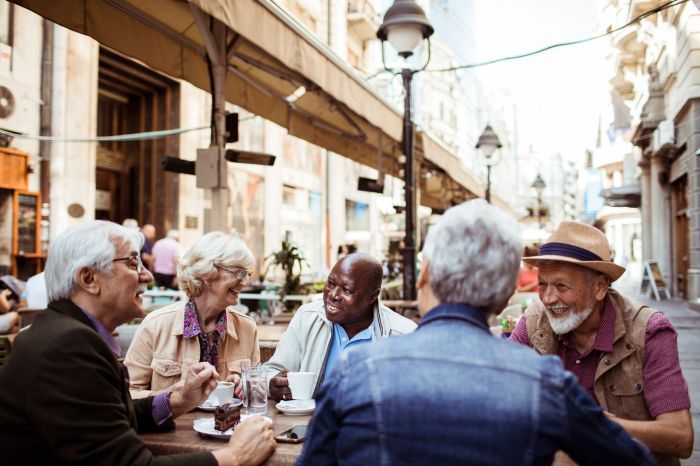
Planning transportation for a senior group requires careful consideration of various factors, including comfort, accessibility, and budget. Different modes of transportation offer unique advantages and disadvantages, making the selection process crucial for a successful and enjoyable trip. Choosing the right method significantly impacts the overall experience, ensuring a smooth and stress-free journey for all participants.
Comparing Transportation Modes for Senior Groups, Group travel for seniors
Selecting the appropriate mode of transportation depends heavily on the group’s destination, budget, and the seniors’ physical capabilities. Air travel offers speed and efficiency for long distances, but can be challenging for those with mobility issues. Train travel provides a more relaxed journey, often with scenic views, but may be slower. Buses are a cost-effective option for shorter distances, but can be less comfortable on longer trips.
Cruises offer an all-inclusive experience but may not be suitable for everyone due to potential motion sickness or accessibility limitations.
Securing the Best Flight Deals and Navigating Airports
Booking flights for a large senior group requires careful planning and strategic booking. Consider using a travel agent specializing in group travel to negotiate better rates and manage the booking process. Look for flights with fewer layovers to minimize stress and potential delays. Pre-booking airport assistance for wheelchair users or those requiring extra time is essential. Clearly communicate any special needs to the airline well in advance.
Consider purchasing travel insurance to protect against unexpected disruptions.
Train Travel for Senior Groups
Train travel offers a more relaxed and scenic alternative to air travel, especially for shorter to medium distances. Many train lines offer group discounts, making it a cost-effective option for larger groups. Booking in advance is crucial to secure the best prices and preferred seating arrangements. Most train lines provide assistance with luggage handling, and many offer accessible features such as ramps, elevators, and accessible restrooms.
Research the specific accessibility features of the chosen train line beforehand to ensure it meets the group’s needs.
Cruise Ship Travel for Seniors
Cruises provide an all-inclusive vacation experience with various amenities, including dining, entertainment, and onboard activities. However, it’s essential to check the accessibility features of the chosen cruise line, including the availability of accessible cabins, elevators, and shore excursion options. Potential health concerns, such as motion sickness, should be considered, and the availability of onboard medical facilities should be verified.
Choosing a cruise line with a reputation for catering to seniors’ needs is crucial.
Designing a Road Trip Itinerary for Seniors
A well-planned road trip can offer a flexible and enjoyable travel experience for seniors. Prioritize scenic routes and plan for frequent stops at accessible rest areas with amenities like restrooms and comfortable seating. Choose accommodations with easy access and amenities suitable for seniors, such as elevators and grab bars. Limit driving time per day to avoid fatigue, and incorporate opportunities for rest and relaxation.
- Leg 1: Scenic coastal route; accessible rest stops every 2 hours; hotel with elevator and accessible rooms.
- Leg 2: Mountain views; rest stops with level parking and wheelchair access; lodge with ground-floor rooms and grab bars.
- Leg 3: National park visit; accessible trails and viewpoints; hotel with accessible amenities and shuttle service.
Accommodation and Budget Considerations
Planning accommodation for a senior group trip requires careful consideration of both budget and the specific needs of older travelers. Finding comfortable, accessible, and affordable options is crucial for a successful and enjoyable journey. This section will explore various accommodation choices, weighing their pros and cons to help you make informed decisions.
Budget-Friendly Accommodation Options
Several cost-effective lodging options exist for senior group travel. Hostels, while often associated with younger travelers, increasingly offer private rooms suitable for seniors, providing a budget-friendly alternative with shared communal spaces. Guesthouses offer a more personalized experience, often with locally owned charm and potentially lower prices than hotels. Vacation rentals, such as those found on Airbnb or VRBO, can be particularly advantageous for larger groups, providing more space and amenities at a potentially lower per-person cost than individual hotel rooms.
The key is to carefully research and compare options to find the best fit for your group’s needs and budget.
Comparison of Vacation Rental Platforms
Airbnb and VRBO are popular platforms for finding vacation rentals. Airbnb often features a wider variety of properties, from individual rooms to entire houses, with a strong emphasis on unique and local experiences. VRBO tends to focus more on larger properties, particularly homes and villas, which are often better suited for larger groups. When choosing between the two for a senior group, consider factors like accessibility (ramp access, single-story layouts), proximity to amenities, and the availability of essential features such as grab bars in bathrooms and ample seating.
Reviews should be carefully examined to ensure the property meets the needs of older travelers.
Tips for Finding Affordable Senior-Friendly Hotels
Finding affordable hotels that cater to seniors requires a strategic approach. Below are some helpful tips:
- Book well in advance to secure the best rates and availability, especially during peak season.
- Consider traveling during the shoulder season (spring or fall) for lower prices and fewer crowds.
- Utilize hotel booking websites and comparison tools to find the best deals.
- Look for hotels that offer senior discounts or packages.
- Check for amenities important to seniors, such as accessible rooms, elevators, and grab bars in bathrooms.
- Read reviews carefully, paying attention to comments about accessibility and the overall experience for older travelers.
- Consider hotels located near public transportation to minimize reliance on personal vehicles.
RV and Campervan Travel for Senior Groups
RV and campervan travel offer a unique and potentially cost-effective way to explore, but careful consideration is needed for senior groups. The advantages include flexibility, the ability to control your itinerary, and potential cost savings on accommodation. However, the physical demands of driving and maintaining an RV, as well as potential accessibility challenges in older models, must be addressed.
For example, climbing into a high RV bed can be difficult for some seniors, and navigating tight spaces or unpaved roads might pose challenges. Thorough research and a realistic assessment of the group’s physical capabilities are crucial before opting for this type of travel.
Unique and Unusual Accommodation Options
For a truly memorable experience, consider unique accommodations. Treehouses, while offering a charming and unusual stay, may not be suitable for all senior groups due to potential accessibility issues such as stairs and uneven surfaces. Similarly, houseboats provide a unique perspective and often beautiful scenery, but mobility and accessibility need to be carefully assessed. The group’s physical abilities and preferences should dictate whether these options are feasible and enjoyable.
Careful consideration of features such as ramps, elevators, and the overall layout is paramount.
Activities and Entertainment for Seniors
Planning engaging and appropriate activities is crucial for a successful senior group trip. The goal is to create a stimulating and enjoyable experience while considering the diverse physical abilities and interests of the participants. A well-rounded program caters to different preferences, ensuring everyone feels included and valued.
Suitable Activities for Senior Travelers
A variety of activities should be offered to cater to different energy levels and interests. Gentle walks through scenic parks, leisurely boat rides, or visits to historical sites are excellent choices. For those with more mobility, guided tours of museums or art galleries can be enriching. Consider including options for both active and passive participation, allowing individuals to choose what suits them best.
Remember to incorporate ample rest periods throughout the day to avoid overexertion. Examples include gentle yoga sessions, chair exercises, or simply relaxing with a book in a peaceful setting.
Age-Appropriate and Accessible Attractions
The selection of attractions is paramount in ensuring a positive travel experience for seniors. Accessibility is a primary concern, and locations should be chosen with consideration for mobility limitations, such as the availability of ramps, elevators, and accessible restrooms. The pace of the itinerary should also be carefully planned to avoid rushing and allow for sufficient rest periods.
| Attraction | Location | Accessibility | Notes |
|---|---|---|---|
| Botanical Gardens | Many major cities | Generally good, paved paths, benches available | Offers a relaxing environment with beautiful scenery. Check specific garden for details on accessibility features. |
| Historical Museum | Various locations | Varying levels; check individual museum websites for details on accessibility features (e.g., ramps, elevators, audio guides). | Choose museums with well-lit spaces, comfortable seating, and clear signage. |
| Scenic Train Ride | Numerous locations worldwide | Generally good, but check specific train line for details on accessible carriages and boarding assistance. | Offers a relaxing and enjoyable way to see the countryside. |
| Local Farmers Market | Many towns and cities | Generally good, mostly flat surfaces, but some might have uneven paving. | Provides an opportunity to experience local culture and purchase fresh produce. |
Ensuring Group Safety and Well-being
Prioritizing the safety and well-being of the group is crucial. This involves providing clear and concise instructions for all activities, ensuring adequate supervision, and having a readily available first-aid kit and emergency contact information. Travel insurance should be strongly encouraged for all participants. Pre-trip briefings should highlight potential hazards and appropriate safety precautions. Regular check-ins throughout the day help monitor participants’ well-being and address any concerns promptly.
For excursions involving physical activity, consider dividing the group into smaller, more manageable subgroups with designated leaders.
Low-Impact Activities and Relaxation Options
Incorporating low-impact activities and relaxation options is essential to prevent fatigue and promote well-being. These can include gentle stretching exercises, chair yoga, guided meditation sessions, or simply spending time relaxing in a comfortable setting. Spa treatments, such as massages or aromatherapy, can also be a valuable addition. Providing quiet time for personal reflection or reading is equally important.
The availability of comfortable seating areas throughout the day is crucial for rest and relaxation.
Incorporating Local Culture and Traditions
Engaging with local culture and traditions respectfully and authentically adds depth and richness to the travel experience. This can involve attending local performances, visiting cultural centers, participating in traditional craft workshops (if physically feasible), or enjoying a meal at a local restaurant that showcases regional cuisine. Prior research is vital to ensure the activities are appropriate and respectful of local customs.
The use of local guides who are knowledgeable and sensitive to the needs of senior travelers can enhance this experience.
Health and Safety Considerations
Planning a group trip for seniors requires careful consideration of health and safety. The well-being of each participant is paramount, and proactive measures can significantly reduce the risk of incidents and ensure a smooth and enjoyable experience for everyone. This section details crucial aspects of health and safety planning, from insurance and medical preparation to emergency procedures.
Travel Insurance and Medical Preparedness
Comprehensive travel insurance is essential for senior group travel. It provides financial protection against unexpected medical emergencies, trip cancellations, lost luggage, and other unforeseen circumstances. Policies should cover medical evacuation, hospitalization, and repatriation costs, which can be substantial, especially in foreign countries. Prior to departure, ensure all travelers have updated medical records, including a list of current medications, allergies, and any pre-existing conditions.
This information should be shared with designated group leaders and readily accessible in case of an emergency. Consider providing each participant with a personalized medical information card, easily visible and readily available.
Managing Potential Health Issues and Emergencies
Senior travelers may have various health concerns, ranging from chronic conditions to minor ailments. A detailed pre-trip health assessment, ideally conducted by a physician, is advisable. The group leader should be trained in basic first aid and CPR, and the group should have access to a well-stocked first-aid kit. Establish clear communication protocols for reporting health issues, and designate a point person for coordinating medical assistance.
Pre-arrange access to local healthcare providers and emergency services at your destination. Have a list of local pharmacies and hospitals readily available.
Obtaining Necessary Medical Documents and Prescriptions
Securing necessary medical documents and prescriptions requires planning and foresight. Participants should obtain copies of their medical records, including immunization records and any relevant test results. Prescriptions should be obtained well in advance of the trip, with sufficient quantities to last the entire duration, plus a few extra days in case of delays. It is advisable to carry prescriptions in their original containers and have copies readily available.
For international travel, ensure all medications comply with the destination country’s regulations. Consult your physician or pharmacist for advice on international travel with medications.
Essential Health and Safety Packing Checklist
A well-prepared packing list contributes significantly to a safe and comfortable trip. The following items should be included:
- Copies of all medical records, including immunization records and prescription information.
- Sufficient quantities of all prescribed medications, in original containers, plus a few extra days’ supply.
- A comprehensive first-aid kit, including any personal medical supplies.
- A list of emergency contacts, including family, physicians, and local emergency services.
- Travel insurance information and policy number.
- Comfortable walking shoes and appropriate clothing for the climate.
- Any necessary mobility aids, such as canes or walkers.
- Personal identification, including passports and driver’s licenses.
Sample Emergency Plan
Emergency Contact Information:
Group Leader: [Name], [Phone Number], [Email Address]
Emergency Services: [Local Emergency Number]
Designated Hospital: [Hospital Name], [Address], [Phone Number]
Travel Insurance Provider: [Provider Name], [Phone Number]
Emergency Procedures:
- In case of a medical emergency, immediately contact the group leader.
- The group leader will contact emergency services and/or the designated hospital.
- Travel insurance information will be provided to the medical professionals.
- Family members will be notified as soon as possible.
- Follow instructions from emergency personnel and the group leader.
Ultimately, planning a group trip for seniors is about creating a shared experience that fosters connection, enriches lives, and leaves lasting positive memories. By thoughtfully considering the needs and preferences of each participant, and by meticulously planning every detail, you can orchestrate a journey that is both rewarding and safe. Remember that the focus should always be on ensuring comfort, enjoyment, and a sense of shared adventure, making this a trip to cherish for years to come.
The rewards of well-planned senior group travel far outweigh the effort, offering invaluable opportunities for social interaction, personal growth, and the creation of lasting bonds.
Essential FAQs
What type of travel insurance is recommended for senior group travel?
Comprehensive travel insurance covering medical emergencies, trip cancellations, and lost luggage is highly recommended. Consider policies specifically designed for seniors with pre-existing conditions.
How can we ensure the group stays together during excursions?
Assign designated group leaders for each excursion, use easily identifiable group markers (e.g., brightly colored shirts), and establish regular check-in points throughout the day.
What are some strategies for managing potential medication needs during the trip?
Pack sufficient medication in carry-on luggage, carry copies of prescriptions, and inform the group leader and any relevant travel companions of individual medication schedules and potential side effects.
What are some resources for finding accessible transportation options?
Contact transportation providers directly to inquire about accessibility features, consult online resources like the TSA website for air travel, and utilize websites and apps that specialize in accessible travel options.