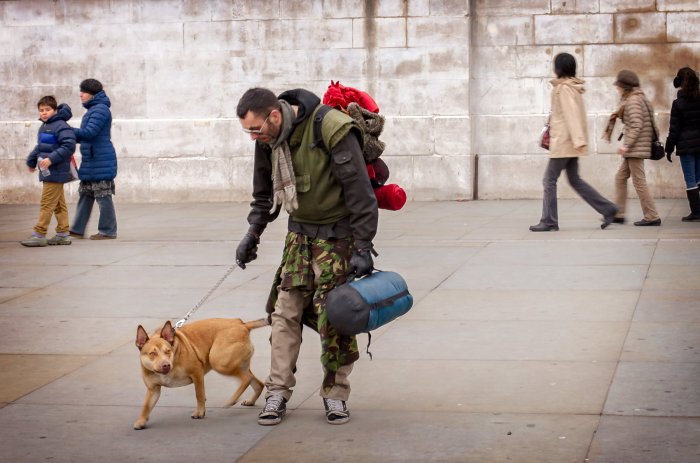
Best Cities for Pet-Friendly Travel: Planning a vacation with your furry friend shouldn’t mean sacrificing exploration or comfort. This guide unveils the world’s most welcoming cities, highlighting pet-friendly parks, restaurants, hotels, and transportation options. We’ll delve into regional specifics, from the vibrant streets of European capitals to the diverse landscapes of the United States, offering insights into regulations, costs, and unique activities to make your trip memorable for both you and your beloved pet.
Whether you’re dreaming of a transatlantic adventure or a weekend getaway, discover the perfect destination where your pet is truly a welcome guest.
Flight Deals and Hacks for Pet Travel
Planning a pet-friendly trip often involves navigating the complexities of air travel with your furry friend. Finding affordable airfare while ensuring your pet’s comfort and safety requires careful planning and research. This section Artikels strategies for securing the best deals on pet-friendly flights.Finding affordable airfare for pet travel involves a multi-pronged approach. It’s crucial to consider booking timing, airline policies, and available online tools to maximize your savings.
Flexibility in travel dates and destinations can significantly impact the final price.
Airline Pet Travel Policies
Major airlines have varying policies regarding pet travel, including permitted pet types, size restrictions, and fees. Some airlines may allow pets in-cabin, while others restrict them to cargo. Understanding these differences is paramount to selecting the most suitable and cost-effective option. For instance, some budget airlines may have stricter size limits for in-cabin pets or may not offer pet travel services at all.
Conversely, larger airlines often have more comprehensive pet travel programs, potentially offering more flexibility but at a higher cost. Always check the specific airline’s website for their most up-to-date pet travel policy before booking. Crucially, be aware of any breed restrictions; some airlines prohibit certain breeds due to perceived safety or health concerns.
Strategies for Finding Affordable Airfare
Several strategies can help you secure affordable airfare for pet-friendly travel. Booking flights well in advance can often yield lower prices, particularly during off-peak seasons. Consider using flight comparison websites that allow you to filter results based on pet-friendly options. These websites aggregate data from multiple airlines, allowing you to quickly compare prices and policies. Being flexible with your travel dates can also significantly impact the cost; mid-week flights or flights on less popular days are often cheaper.
Finally, consider subscribing to airline newsletters or using price-tracking tools to be alerted of price drops.
Comparing Prices and Finding the Best Deals
Utilizing online resources is key to finding the best deals on pet-friendly flights. Websites like Google Flights, Skyscanner, Kayak, and Expedia allow you to filter search results based on your specific needs, including pet travel. These platforms offer price comparison tools and often show price trends, helping you identify the most cost-effective options. Remember to thoroughly review the airline’s pet policies on their website before finalizing your booking to ensure your pet meets all requirements and to understand any additional fees.
It is advisable to compare prices across several platforms to ensure you are getting the best possible deal. For example, you might find that a flight with a slightly higher base fare on one site offers a lower overall cost after factoring in pet fees on another site.
Train Travel Guides for Pets
Traveling with your pet by train can be a relaxing and enjoyable experience, offering a scenic alternative to flying or driving, especially for longer distances. Careful planning and preparation are key to ensuring a smooth and comfortable journey for both you and your furry friend. This guide provides essential information for navigating the world of pet-friendly train travel.
Booking Tickets and Confirming Pet Policies
Before booking your tickets, it’s crucial to contact the train company directly to confirm their pet policies. Policies vary significantly between companies and even between routes. Some companies may have restrictions on the size, breed, or number of pets allowed, while others may require your pet to travel in a carrier. Be sure to inquire about any additional fees associated with pet travel and clarify the process for booking a pet ticket.
Many companies require you to book your pet’s ticket separately from your own. Remember to provide accurate information about your pet’s breed, size, and weight.
Ensuring a Comfortable Journey for Your Pet
A comfortable journey for your pet involves careful consideration of their needs. Providing adequate food and water is paramount, especially on longer journeys. Pack familiar toys and blankets to help your pet feel secure and relaxed. If your pet suffers from motion sickness, consult your veterinarian about appropriate medication well in advance of travel. Regular breaks for potty stops are essential, especially for dogs.
Check with the train company about designated areas for pet relief along the route. Consider bringing a portable water bowl and some absorbent pads for unexpected accidents. Remember to bring poop bags for responsible pet ownership.
Examples of Pet-Friendly Train Routes and Companies
While pet policies are subject to change, Amtrak in the United States is generally considered pet-friendly, with specific guidelines for pet sizes and carriers. Similarly, many European rail companies, such as SNCF in France and Deutsche Bahn in Germany, also allow pets on board, but often with restrictions and additional fees. Always check the specific policies of the train company and route you intend to use.
For example, Amtrak’s policy might allow small pets in carriers under the seat, while larger pets might require separate arrangements or be prohibited entirely depending on the train and route. It’s vital to check the current regulations on their website before booking.
Potential Challenges and Solutions
One potential challenge is managing your pet’s behavior on the train. Ensure your pet is well-socialized and comfortable in a confined space. A well-fitting carrier or harness can help prevent escapes and ensure your pet’s safety. If your pet tends to bark or become anxious, consider using calming aids such as pheromone sprays or calming treats. Another challenge might be finding suitable places for your pet to relieve themselves during the journey.
Planning your journey around stops with accessible pet relief areas is important. If you encounter unexpected issues, be prepared to communicate with the train staff, who may be able to offer assistance. Having your pet’s veterinary information readily available can be helpful in case of emergencies.
Cruise Ship Reviews: Pet-Friendly Options: Best Cities For Pet-friendly Travel
Choosing a cruise that welcomes your furry friend requires careful consideration. While fewer cruise lines offer pet-friendly options compared to land-based travel, several cater to pet owners, each with its own set of policies and amenities. This section reviews some of these lines, highlighting both the positive and negative aspects of their pet-friendly offerings. It is crucial to remember that policies can change, so always verify directly with the cruise line before booking.
Pet Policies and Amenities Comparison
The following table summarizes the pet policies and reported amenities of several cruise lines known to accommodate pets. Note that this information is based on publicly available data and user reviews and may not reflect the most up-to-date policies. Always contact the cruise line directly for the most current information.
| Cruise Line | Pet Policy Summary | Amenities for Pets | Overall User Rating (Based on Reviews – Example Only) | Specific Requirements/Restrictions |
|---|---|---|---|---|
| (Example: A fictional cruise line – “Ocean Paws Cruises”) | Allows small to medium-sized dogs and cats in designated cabins. | Designated pet relief areas, pet supply delivery service, pet walking services. | 4.2/5 | Up-to-date vaccination records, health certificate from a veterinarian within 30 days of sailing, specific breed restrictions (e.g., brachycephalic breeds may be limited). |
| (Example: Another fictional cruise line – “Seas the Day Voyages”) | Cats only, limited number of cabins available. | Designated cat-only areas, scratching posts in cabins. | 3.8/5 | Proof of rabies vaccination, feline leukemia test within 6 months of sailing. No cats over 15 lbs. |
| (Example: A third fictional cruise line – “Aqua Adventures”) | Dogs only, strict size and breed restrictions. | Limited outdoor space for dogs, individual dog walking appointments. | 3.5/5 | Comprehensive health certificate, specific breed exclusions (e.g., pit bulls, Rottweilers). Must provide proof of liability insurance. |
Positive and Negative Experiences Reported by Passengers
User reviews consistently highlight certain aspects of pet-friendly cruises. Positive experiences often revolve around the convenience of traveling with pets and the dedicated amenities provided. Negative feedback frequently centers on cabin size limitations, potential additional costs, and restrictions on pet access to certain areas of the ship. For example, some passengers report feeling constrained by the limited space in pet-friendly cabins, while others have praised the convenience of having pet relief areas readily available.
It’s important to weigh these potential pros and cons based on your specific pet’s needs and your travel style.
Specific Requirements and Restrictions for Bringing Pets Onboard
Each cruise line has its own detailed requirements and restrictions. These commonly include vaccination records, health certificates from a veterinarian within a specific timeframe prior to sailing, breed restrictions, weight limits, and potentially proof of pet insurance. Some lines may require advance booking for pet-friendly cabins, and fees for pet transportation or additional services may apply. It is crucial to thoroughly review and comply with all requirements to avoid any issues during embarkation or throughout the voyage.
Failure to comply can result in denied boarding.
Road Trip Guides
Planning a road trip with your furry friend can be an incredibly rewarding experience, offering a unique way to bond and explore new places together. However, careful planning is essential to ensure a safe and enjoyable journey for both you and your pet. This guide provides sample itineraries, essential resources, and safety tips for navigating the open road with your beloved companion.
Sample Road Trip Itineraries
Several factors influence the ideal road trip itinerary, including your pet’s breed, age, and temperament, as well as your own travel style and budget. Below are examples focusing on pet-friendly stops and accommodations, but remember to tailor these to your specific needs.
Route 1: Pacific Coast Highway (California): This iconic route offers stunning coastal views and numerous pet-friendly beaches, parks, and restaurants. A sample itinerary could include stops in San Francisco (Golden Gate Bridge, dog-friendly parks), Monterey (Cannery Row, 17-Mile Drive), Big Sur (hiking trails with leash-friendly sections), and Santa Barbara (dog-friendly beaches). Many hotels along the PCH offer pet-friendly rooms, but booking in advance is crucial.
Route 2: Blue Ridge Parkway (Virginia and North Carolina): This scenic route winds through the Appalachian Mountains, providing breathtaking vistas and opportunities for hiking (on designated trails). Stops could include Asheville, NC (dog-friendly breweries and restaurants), Roanoke, VA (Mill Mountain Star), and various scenic overlooks along the Parkway itself. Look for pet-friendly cabins and lodges for accommodation; many exist along the route.
Route 3: Route 66 (Illinois to California): A classic American road trip, Route 66 offers a blend of history, quirky roadside attractions, and pet-friendly motels. Consider stops in Springfield, IL (Abraham Lincoln Presidential Library and Museum – check pet policies), Oklahoma City (Bricktown Canal), and Santa Monica, CA (beach time). Many historic motels along Route 66 welcome pets, though advance booking is advised.
Essential Apps and Websites for Planning Pet-Friendly Road Trips
Accessing the right resources is critical for smooth pet-friendly travel.
Several apps and websites are dedicated to helping travelers find pet-friendly accommodations, activities, and services. Examples include BringFido, Rover, and Airbnb (filter by “pets allowed”). These platforms provide reviews, ratings, and detailed information about pet policies, amenities, and nearby dog parks. Additionally, using mapping services like Google Maps allows you to pinpoint pet-friendly restaurants, parks, and veterinary clinics along your route.
Navigation apps can be supplemented by using dedicated pet travel websites to ensure your journey is tailored to your pet’s needs.
Safety Measures and Tips for Keeping Pets Safe During a Road Trip, Best cities for pet-friendly travel
Prioritizing your pet’s safety is paramount during a road trip.
Before embarking, ensure your pet has proper identification tags (including microchip information), up-to-date vaccinations, and any necessary medications. A well-ventilated pet carrier or crate is essential for safe travel, and it’s crucial to take regular breaks to allow your pet to stretch, relieve themselves, and hydrate. Never leave your pet unattended in a parked car, especially during warmer months, as temperatures can rise rapidly and lead to heatstroke.
Pack plenty of food, water, bowls, and waste bags. Consider bringing familiar toys and bedding to help your pet feel more comfortable and secure during the journey. In addition, ensure your pet is properly secured in the vehicle, using a pet car seat, harness, or carrier designed for safe travel. Regular checks on your pet’s well-being are critical throughout the journey.
Budget Accommodation Tips for Pet Owners
Traveling with your furry friend shouldn’t break the bank. Finding affordable pet-friendly lodging requires a strategic approach, balancing cost with comfort and convenience for both you and your pet. This section offers practical tips to help you navigate the world of budget-friendly pet-friendly accommodations.Finding affordable pet-friendly accommodations involves a multi-pronged approach, combining smart searching techniques with an understanding of the different lodging options available and their associated costs.
Prioritizing your needs and understanding the trade-offs between cost and amenities will ultimately lead to a more successful and budget-conscious travel experience.
Types of Pet-Friendly Lodging and Their Costs
Pet-friendly lodging options vary widely in price and amenities. Hotels, motels, vacation rentals, and even some campgrounds cater to pet owners, each with its own price range and benefits. Generally, hotels tend to be the most expensive, followed by motels, with vacation rentals and campgrounds offering the most budget-friendly options. However, this is a generalization, and the actual cost depends on location, season, and specific amenities offered.
For example, a basic motel room in a rural area might cost significantly less than a luxury hotel room in a major city, even if both are pet-friendly. The cost also often increases with the size and type of pet. Larger dogs or multiple pets may incur additional fees.
Searching and Booking Pet-Friendly Accommodations Online
Several websites specialize in helping pet owners find suitable lodging. These platforms often allow you to filter search results by pet-friendliness, price range, and other criteria. Websites like Booking.com, Expedia, and Airbnb frequently include pet-friendly options in their listings, allowing for easy comparison-shopping. When using these sites, be sure to carefully read the pet policies of each accommodation to understand any restrictions or additional fees.
Many sites will clearly state pet fees upfront, but others may require contacting the property directly to confirm the pet policy and associated costs.
Practical Tips for Finding Affordable Pet-Friendly Hotels and Motels
Consider traveling during the off-season or shoulder season to benefit from lower prices. Weekdays are often cheaper than weekends. Look for smaller, independent motels or hotels; these establishments often have more flexible pet policies and lower rates than large chains. Check for deals and discounts, such as AAA memberships or senior citizen discounts, which sometimes extend to pet-friendly options.
Don’t hesitate to contact the property directly; sometimes, you can negotiate a lower rate or waive certain fees, particularly if you’re staying for an extended period. Finally, remember to read reviews from other pet owners to gauge the actual pet-friendliness of a given establishment. Reviews can often highlight positive experiences or point out potential issues, such as limited pet-friendly areas or additional cleaning fees.
Vacation Rentals and Airbnb
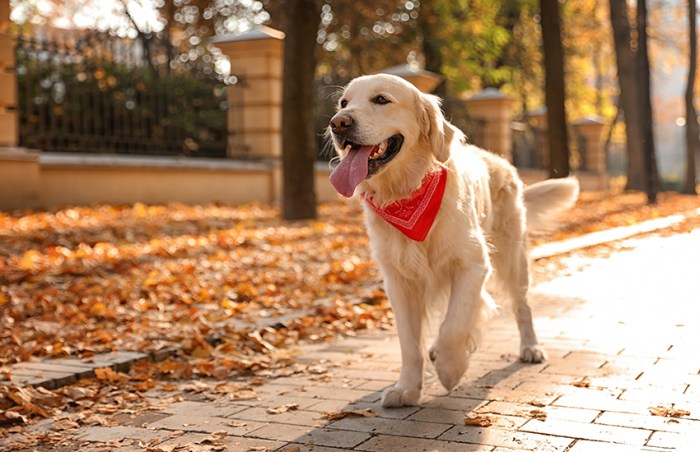
Finding the perfect accommodation for a trip with your furry friend can sometimes feel like a treasure hunt. Luckily, the rise of pet-friendly vacation rentals and Airbnbs has significantly broadened options for travelers who want to bring their beloved animals along. This section will explore the resources available for finding suitable pet-friendly accommodations and discuss the key considerations involved in booking them.Vacation rentals, including those listed on Airbnb, offer a significant advantage over traditional hotels for pet owners, providing more space, often a private outdoor area, and a generally more relaxed atmosphere.
However, it’s crucial to understand how to navigate the process effectively to ensure a smooth and enjoyable trip for both you and your pet.
Finding Pet-Friendly Vacation Rentals
Several websites and apps specialize in listing pet-friendly vacation rentals. These platforms often allow filtering by pet policies, making the search process more efficient. Popular examples include Airbnb itself, VRBO (Vacation Rentals By Owner), and Booking.com. Many smaller, niche websites also cater to pet-friendly travel, often focusing on specific regions or types of accommodations. Each platform offers varying levels of detail regarding pet policies, so careful review is essential.
For example, some may specify weight limits for pets or charge additional pet fees.
Identifying Pet-Friendly Properties and Communicating Needs
When searching for pet-friendly properties, utilize the available filters on the websites mentioned above. Look for s like “pet-friendly,” “dogs allowed,” or “pets welcome” in the property descriptions. Pay close attention to any specific rules or restrictions mentioned in the listing, such as size limits, breed restrictions, or additional cleaning fees. Before booking, directly contact the host to confirm the pet policy and clarify any questions about your pet’s needs.
Clearly state the breed, size, and number of pets you will be bringing, and ask about any potential limitations or requirements. This proactive communication minimizes misunderstandings and ensures a smoother experience for everyone.
Advantages and Disadvantages of Vacation Rentals over Hotels
Choosing a vacation rental over a hotel for pet owners presents several advantages. Vacation rentals generally offer more space, which is beneficial for larger pets or multiple animals. Many rentals also provide outdoor spaces like yards or patios, giving your pet a place to relieve themselves and play. The lack of strict hotel rules regarding pets often contributes to a more relaxed atmosphere for both you and your pet.
However, vacation rentals may require more self-sufficiency. You’ll be responsible for cleaning and maintaining the property during your stay, unlike a hotel where housekeeping services are provided. Additionally, while many rentals are pet-friendly, some may have specific restrictions or additional fees, requiring careful attention to detail during the booking process. Lastly, the level of amenities might vary compared to a hotel, and you may need to provide some items yourself.
Hotel Reviews and Tips
Finding the perfect hotel for you and your furry friend can sometimes feel like a treasure hunt. This section provides reviews of pet-friendly hotels, along with helpful tips to guide your search and ensure a comfortable stay for both you and your pet. We’ll cover key aspects to consider, from amenities to policies, helping you make an informed decision.
Pet-Friendly Hotel Reviews
Choosing a hotel that welcomes your pet requires careful consideration. The following table summarizes reviews of several pet-friendly establishments, focusing on their pet policies and amenities. Note that ratings are subjective and based on a compilation of online reviews and may vary based on individual experiences.
| Hotel Name | Location | Pet Policy | Rating (out of 5) |
|---|---|---|---|
| The Paws Inn | Denver, CO | Accepts dogs up to 50 lbs; $25 pet fee per night. | 4.5 |
| Barking Lot Resort | Orlando, FL | Accepts cats and dogs of all sizes; $30 non-refundable pet fee. Dog park on site. | 4 |
| The Wagging Tail Hotel | San Diego, CA | Accepts dogs only; size restrictions may apply; pet fee varies by size. Provides pet beds and bowls. | 4.2 |
| Kitty Cat Comfort Inn | Seattle, WA | Accepts cats only; $15 pet fee per night. Designated cat areas available. | 3.8 |
Tips for Choosing a Pet-Friendly Hotel
Selecting the right pet-friendly hotel involves balancing your needs and budget with your pet’s requirements. Consider these factors:* Pet Policies: Carefully review the hotel’s pet policy regarding size, breed restrictions, fees, and any additional rules. Some hotels may have weight limits or prohibit certain breeds.
Amenities
Look for hotels that offer pet-friendly amenities such as designated pet areas, walking paths, pet beds, bowls, or even pet-sitting services. These extras can significantly enhance your pet’s comfort and your overall experience.
Location
Choose a hotel with convenient access to parks, walking trails, or other pet-friendly outdoor spaces. Consider proximity to veterinary services in case of emergencies.
Reviews
Check online reviews from other pet owners to get a sense of the hotel’s pet-friendliness and the quality of its pet-related services. Look for comments specifically mentioning pet-related experiences.
Budget
Pet fees can vary significantly. Factor these costs into your overall budget when comparing different hotels.
Pet-Friendly Hotel Amenities
Pet-friendly hotels offer a range of amenities designed to make your stay more comfortable. These can include:* Designated Pet Areas: Many hotels provide designated areas for pets to relieve themselves, often with waste disposal bags provided. Some even feature dedicated dog parks on-site.
Pet Beds and Bowls
Some hotels provide pet beds and food/water bowls for your pet’s convenience.
Pet Sitting Services
A growing number of hotels partner with local pet sitters or offer in-house pet-sitting services. This is especially helpful for longer stays or if you have planned activities that don’t include your pet.
Walking Paths and Parks
Hotels located near parks or with on-site walking trails offer convenient options for pet exercise.
Welcome Treats or Gifts
Some hotels go the extra mile by providing welcome treats or small gifts for your pet.
RV and Camper Travel with Pets
RV and camper travel offers a unique blend of freedom and flexibility, making it an appealing option for pet owners seeking adventurous vacations. The ability to bring your furry friend along, coupled with the comfort and convenience of a mobile home, makes this travel style particularly attractive. However, careful planning and preparation are essential to ensure a safe and enjoyable trip for both you and your pet.
Planning Your Pet-Friendly RV Trip
Successful RV travel with pets hinges on meticulous planning. Before embarking on your journey, consider your pet’s breed, size, and temperament. Research pet-friendly campgrounds and RV parks along your route, ensuring they offer amenities suitable for your pet’s needs, such as fenced areas for exercise and access to water. Additionally, familiarize yourself with local regulations regarding pets in parks and other public spaces.
Booking campsites in advance is highly recommended, especially during peak travel seasons, to secure availability at pet-friendly locations. Planning your route with frequent stops to allow for bathroom breaks and exercise is crucial for your pet’s well-being. Finally, ensure your pet has up-to-date vaccinations and identification tags.
Essential Supplies and Equipment for RV Travel with Pets
A well-stocked RV is crucial for a comfortable journey with your pet. This includes sufficient food and water bowls, a comfortable pet bed, leashes, harnesses, and waste bags. Consider bringing familiar toys and blankets to help your pet feel secure in the unfamiliar environment. A travel-sized first-aid kit specifically for pets should also be included. For longer trips, you might want to pack a collapsible water bowl and a portable pet carrier for short excursions.
Don’t forget cleaning supplies for pet accidents. For pets prone to anxiety, calming aids such as pheromone diffusers or calming treats can be beneficial.
Pet Safety and Comfort in an RV
Ensuring your pet’s safety and comfort is paramount during RV travel. Secure your pet’s travel area to prevent them from wandering freely while driving. This can be accomplished with a pet carrier or harness secured to a designated area. Never leave your pet unattended in a parked RV, especially in hot weather. Ensure adequate ventilation to prevent overheating.
Regularly check for any signs of distress or discomfort, providing fresh water and frequent breaks for exercise. In case of emergency, have a plan in place for accessing veterinary care along your route. Familiarizing your pet with the RV before departure can minimize anxiety during the trip.
Advantages and Disadvantages of RV/Camper Travel with Pets
RV travel offers several advantages for pet owners. The ability to bring your pet everywhere you go eliminates the stress of kenneling or finding pet sitters. It also allows for more spontaneous exploration and flexibility in your itinerary, catering to your pet’s needs. The comfort and familiarity of your RV can reduce anxiety for pets prone to travel stress.
However, RV travel also presents some challenges. Space limitations can be a concern, particularly for larger pets. Maintaining cleanliness in a confined space requires more effort. Driving long distances can be tiring for both you and your pet, requiring careful planning and frequent breaks. Finally, the cost of RV travel, including fuel and campsite fees, can be higher than other forms of travel.
Unique Stays and Treehouses
Escaping the ordinary hotel experience while traveling with your furry friend is easier than you might think. Many unique accommodations welcome pets, offering a memorable and comfortable stay for both you and your animal companion. These options provide a change of pace from traditional hotels, often incorporating stunning natural settings and charming, individualistic designs.
Several types of unique pet-friendly lodging cater to different preferences and budgets. From rustic cabins nestled in the woods to luxurious treehouses overlooking breathtaking vistas, the possibilities are diverse. The key advantage is often a more spacious and private environment, perfect for pets who might feel overwhelmed in a bustling hotel. However, it’s important to weigh the cost and amenities against those offered by more conventional hotels before booking.
Examples of Pet-Friendly Unique Accommodations
Several companies and individual owners offer pet-friendly accommodations in unique settings. These options provide a range of experiences, from secluded rustic getaways to luxurious and modern escapes. The level of pet-friendliness varies, so always confirm pet policies and any associated fees before booking.
For example, numerous websites specializing in vacation rentals list cabins in various locations, many explicitly stating their pet-friendly policies. These cabins often include fenced yards, providing a safe space for pets to roam. Similarly, some glamping sites offer yurts or safari tents, frequently equipped with outdoor spaces suitable for pets. Treehouses, while less common, are emerging as a unique pet-friendly option in some locations; these usually involve a more premium price point but offer unparalleled views and a secluded experience.
Features and Amenities of Pet-Friendly Unique Accommodations
The features and amenities offered by pet-friendly unique accommodations vary widely. However, many common themes emerge. Beyond the inherent charm of the unique setting, many offer pet-specific amenities to enhance your stay. These can significantly improve the overall experience for both you and your pet.
Common pet-friendly amenities include designated pet areas (such as fenced yards or patios), pet beds or blankets, food and water bowls, and even nearby dog parks or walking trails. Some more luxurious options may offer pet-sitting services or in-room pet amenities, such as special treats or toys. Always check the specific amenities offered by your chosen accommodation to ensure it meets your needs and your pet’s.
Cost Comparison: Unique Accommodations vs. Traditional Hotels
The cost of staying in a unique accommodation, such as a treehouse or cabin, compared to a traditional hotel can vary considerably. Generally, unique accommodations tend to be more expensive, especially for high-end options like luxury treehouses or yurts with exceptional amenities. However, the cost-benefit analysis depends on several factors.
For instance, a family traveling with multiple pets might find that the extra space and privacy of a large cabin are worth the higher cost compared to multiple hotel rooms. Conversely, a solo traveler with a small dog might find a pet-friendly hotel room more cost-effective. The price difference should be weighed against the additional amenities and overall experience offered by the unique accommodation.
Consider factors like the size of your pet, the duration of your stay, and the specific amenities offered before making a decision.
Houseboat and Yacht Stays
Embarking on a houseboat or yacht vacation with your beloved pet offers a unique blend of adventure and relaxation. These floating getaways provide a change of pace from traditional land-based travel, allowing you and your furry friend to explore waterways and enjoy the tranquility of the water. However, careful planning and awareness of specific regulations are crucial for a smooth and enjoyable trip.Houseboat and yacht rentals that welcome pets are becoming increasingly common, catering to the growing demand for pet-friendly travel options.
Several companies specialize in providing vessels equipped to accommodate animals, offering various sizes and amenities to suit different needs and budgets. The experience, however, differs significantly from a land-based vacation, requiring a proactive approach to pet safety and responsible pet ownership.
Pet-Friendly Houseboat and Yacht Rental Companies
Finding a pet-friendly rental requires diligent research. Many smaller, independent rental agencies offer more flexibility with pet policies than large corporations. Directly contacting rental companies is essential to confirm their pet policies, including any breed restrictions, size limitations, and associated fees. Websites specializing in vacation rentals often allow filtering by pet-friendly options, simplifying the search process. Some companies may offer specialized pet amenities, such as pet beds, bowls, or even onboard pet-sitting services.
Always clarify these details before booking to avoid any surprises.
Safety Considerations and Regulations for Pets on Houseboats and Yachts
Safety is paramount when traveling with pets on a houseboat or yacht. Securely confining your pet is crucial, especially during transit or in open areas of the vessel. Providing adequate shade and fresh water is vital, particularly in warmer climates. Life jackets are highly recommended for smaller pets, and ensuring your pet is properly identified with tags or microchips is essential in case of accidental separation.
Familiarize yourself with any local regulations regarding pets on waterways, including leash laws and waste disposal procedures. Navigation hazards such as open water, changing currents, and potential wildlife encounters should also be considered, ensuring your pet’s safety at all times.
Activities to Enjoy with Your Pet on a Houseboat or Yacht
Houseboat and yacht vacations offer a wealth of activities to enjoy with your pet. Cruising calm waters, swimming alongside your pet (in designated areas), and enjoying the sun on deck are all options. Many waterways offer scenic routes perfect for leisurely exploration. Fishing, if permitted and safe, can be a fun activity, though always ensure your pet is securely leashed or contained.
Exploring nearby shorelines and beaches (where permitted) allows for walks and playtime. Remember to prioritize your pet’s comfort and well-being throughout the trip, providing regular breaks and opportunities for rest.
From bustling metropolises to quaint European villages, the world offers countless destinations where you and your pet can create lasting memories. This guide has explored diverse options, considering various travel methods, accommodation styles, and regional nuances. Remember to prioritize your pet’s well-being throughout your journey, and always research specific regulations and requirements beforehand. With careful planning and a bit of adventure, you can enjoy a truly enriching travel experience alongside your faithful companion.
Bon voyage!
Common Queries
What are the typical costs associated with pet-friendly travel?
Costs vary greatly depending on destination, transportation method (flights are generally more expensive), and accommodation choices. Factor in pet-sitting fees (if needed), veterinary care, pet-friendly activity costs, and potential extra fees for pets at hotels or rentals.
How can I ensure my pet’s safety during travel?
Prioritize secure transportation (appropriate carriers for flights, secure leashes for walks), bring sufficient food and water, and consider pet insurance for unexpected emergencies. Research local veterinary services in advance and pack a first-aid kit.
What documentation is typically required for international pet travel?
Requirements vary significantly by country. You’ll likely need up-to-date vaccination records, microchip information, and potentially a health certificate issued by a veterinarian within a specific timeframe before travel. Check with the relevant embassy or consulate for the most accurate and up-to-date information.