Pet-friendly camping trips offer a unique blend of outdoor adventure and companionship, allowing both humans and their furry friends to connect with nature. This guide explores the planning, safety, and enjoyment aspects of taking your pet on a camping excursion, covering everything from choosing the right campsite and packing essentials to ensuring your pet’s safety and well-being throughout the journey.
We’ll delve into practical tips, helpful resources, and exciting activities to make your next camping trip an unforgettable experience for everyone involved.
From selecting the perfect pet-friendly accommodation, whether it’s a tent, RV, or cabin, to navigating pet-friendly travel options and ensuring your pet’s safety in the outdoors, we provide a holistic approach to planning a successful and enjoyable camping trip. We will also discuss the importance of responsible pet ownership while camping, emphasizing safety precautions and minimizing environmental impact.
Planning Pet-Friendly Camping Trips
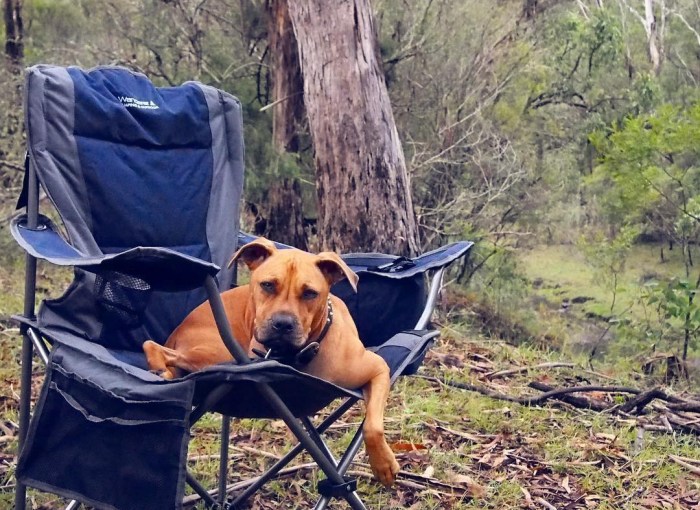
Planning a camping trip that includes your beloved pet requires careful consideration to ensure a safe and enjoyable experience for everyone. This involves selecting the right location, preparing adequately, and understanding the specific needs of your animal companion. A well-planned trip will minimize stress and maximize the fun for both you and your furry friend.
Sample 3-Day Pet-Friendly Camping Itinerary
A successful pet-friendly camping trip hinges on a well-structured itinerary. This example balances human activities with opportunities for pet exercise and relaxation, ensuring everyone’s needs are met.
- Day 1: Arrival and Settling In: Arrive at the campsite, set up camp, and allow your pet to explore the immediate surroundings under supervision. A short, leisurely walk around the area is a great way to introduce them to their temporary home. In the evening, enjoy a campfire (if permitted) and a relaxing meal.
- Day 2: Hiking and Exploration: Embark on a moderate hike on a pet-friendly trail, choosing a route appropriate for your pet’s fitness level. Pack plenty of water and take frequent breaks. In the afternoon, relax at the campsite, perhaps playing fetch or engaging in other pet-friendly games.
- Day 3: Relaxation and Departure: Enjoy a final morning walk or swim (if available). Pack up camp carefully, ensuring all pet waste is properly disposed of. Depart for home, taking the opportunity for a final stop at a pet-friendly park or rest area for a last bit of playtime.
Essential Items Checklist for Pet-Friendly Camping, Pet-friendly camping trips
Thorough preparation is key to a stress-free camping experience with your pet. Overlooking even minor details can lead to unforeseen complications. This checklist covers the essentials.
- Food and water bowls
- Adequate food and water for your pet
- Leash and collar (with ID tags)
- Poop bags and disposal method
- Pet first-aid kit (including any necessary medications)
- Pet bed or blanket
- Toys and other comfort items
- Sunscreen and insect repellent (pet-safe)
- Portable water bottle for your pet
- Towel for cleaning
Benefits of Choosing a Pet-Friendly Campsite
Choosing a designated pet-friendly campsite offers significant advantages over other lodging options. These advantages center around convenience, pet safety, and overall enjoyment.Pet-friendly campsites often provide dedicated areas for pet relief, ensuring cleanliness and minimizing disruption to other campers. They also frequently offer amenities tailored to pet owners, such as dog parks or pet-washing stations. Furthermore, staying in a campsite allows for more freedom and space for your pet to explore safely compared to a hotel room or other confined spaces.
Comparison of Pet-Friendly Campsite Types
Different types of pet-friendly campsites cater to diverse needs and preferences. Each offers unique benefits and drawbacks.
| Campsite Type | Advantages | Disadvantages |
|---|---|---|
| RV Parks | Convenience, amenities, often have pet-friendly policies | Can be more expensive, less secluded |
| Tent Campsites | More affordable, closer to nature, greater sense of seclusion | Requires more effort to set up, less convenient |
| Cabin Rentals | Combination of comfort and nature, often pet-friendly | Can be expensive, less flexibility |
Pet Safety and Considerations
Camping with your beloved pet can be a wonderful experience, enriching your outdoor adventure with their companionship. However, ensuring their safety and well-being requires careful planning and proactive measures. The wilderness presents unique challenges that necessitate responsible pet ownership and preparedness. Neglecting these precautions can lead to preventable injuries or even fatalities.
Preventing Heatstroke
Heatstroke is a serious and potentially fatal condition for pets, especially in warmer climates. Dogs and cats, unlike humans, don’t sweat efficiently, relying primarily on panting to regulate their body temperature. Prolonged exposure to heat can quickly lead to overheating. To prevent heatstroke, always provide ample shade and fresh water. Avoid strenuous activities during the hottest parts of the day, and consider limiting your pet’s time outdoors during peak heat.
Signs of heatstroke include excessive panting, drooling, lethargy, and vomiting. If you suspect heatstroke, immediately move your pet to a cool place, apply cool (not cold) water to their body, and seek veterinary attention promptly.
Avoiding Wildlife Encounters
Wildlife encounters pose a significant risk to pets. Coyotes, bears, snakes, and other wild animals can be aggressive, especially when protecting their young or feeling threatened. Keeping your pet on a leash at all times is crucial, particularly in areas known for wildlife activity. Familiarize yourself with the local wildlife and their behavior. Properly storing food and trash can also minimize the attraction of wild animals to your campsite.
Consider using a bear canister or hanging food from a tree if camping in bear country. Training your pet to respond to recall commands is essential in case of unexpected encounters.
Potential Hazards and Risk Mitigation
A variety of hazards can threaten your pet’s safety while camping. These include poisonous plants, sharp objects, insect stings and bites, and ingestion of foreign objects. Thoroughly inspect your campsite for potential dangers before allowing your pet to roam freely. Familiarize yourself with poisonous plants common to the area and keep your pet away from them. Use tick and flea preventative medications and regularly check your pet for ticks after each hike.
Be vigilant about what your pet is sniffing or chewing on.
Pet First-Aid Kit Essentials
A well-stocked pet first-aid kit is an essential part of any camping trip. This kit should include items for treating minor injuries and addressing common ailments. Essential items include antiseptic wipes, bandages, gauze pads, tweezers (for tick removal), pain relievers (only those specifically approved for pets by your veterinarian), and an emergency contact list for your veterinarian and local emergency services.
Consider including a thermometer, a pet carrier, and any necessary prescription medications. It is advisable to consult your veterinarian to create a customized first-aid kit tailored to your pet’s specific needs and health conditions.
Managing Pet Behavior in a Camping Environment
Proper leash training and consistent potty breaks are vital for maintaining a safe and enjoyable camping experience for both you and your pet. Always keep your pet on a leash unless in a designated off-leash area, and ensure the leash is securely fastened. Establish a regular potty break schedule, especially after meals and before bedtime. Pack poop bags and dispose of waste properly.
Bring familiar toys and bedding to help your pet feel comfortable and secure in the new environment. Positive reinforcement and consistent training can greatly improve your pet’s behavior and reduce stress. Consider using a portable pet bed or crate for added comfort and security.
Choosing the Right Campsite: Pet-friendly Camping Trips
Selecting the perfect campsite for you and your furry friend requires careful consideration of several key factors. A successful pet-friendly camping trip hinges on choosing a location that caters to both your needs and your pet’s comfort and safety. This involves evaluating aspects beyond just the scenery; practical considerations play a significant role in ensuring a positive experience for everyone.
Beyond the obvious appeal of stunning landscapes, a suitable campsite should prioritize your pet’s well-being and your convenience. Factors like proximity to water sources, established trails suitable for your pet’s physical capabilities, and the availability of veterinary services in case of emergencies should all be factored into your decision-making process.
Key Features of Pet-Friendly Campsites
Several essential features significantly impact the suitability of a campsite for pets. These features contribute to a safe, enjoyable, and stress-free camping experience for both you and your animal companion.
- Proximity to Water: Easy access to fresh water is crucial, especially during warmer months. Look for campsites near lakes, rivers, or with readily available water sources for drinking and potential swimming (always supervise your pet near water).
- Well-Maintained Trails: Choose campsites with trails suitable for your pet’s size and physical condition. Steep inclines or uneven terrain might be challenging for older or smaller pets. Clearly marked and well-maintained trails enhance safety and enjoyment.
- Veterinary Services: Knowing the location of the nearest veterinary clinic or emergency animal hospital is essential. While you hope you won’t need it, having this information readily available provides peace of mind.
- Pet-Friendly Amenities: Some campsites offer dog parks, designated pet areas, or even pet-washing stations, adding to the convenience and comfort of your trip.
- Secure Campsite: A fenced or otherwise secure campsite can be crucial for containing pets, especially if they are not reliably trained to stay within a designated area.
Comparison of Popular Pet-Friendly Camping Destinations
The following table compares several popular pet-friendly camping destinations, highlighting their unique features and amenities. This is not an exhaustive list, and the availability of specific amenities can vary depending on the specific campground within a given location.
| Destination | Key Features | Pet Amenities | Proximity to Veterinary Care |
|---|---|---|---|
| Yosemite National Park (CA) | Stunning mountain scenery, diverse hiking trails | Designated pet areas in some campgrounds | Veterinary services available in nearby towns |
| Acadia National Park (ME) | Coastal views, rocky coastline, carriage roads | Many trails suitable for dogs, but some restrictions apply | Veterinary services in nearby Bar Harbor |
| Grand Teton National Park (WY) | Mountain lakes, wildlife viewing opportunities | Limited pet access in some areas | Veterinary services in Jackson Hole |
| Olympic National Park (WA) | Rainforests, beaches, mountains | Varied terrain, suitable for dogs of varying abilities | Veterinary services available in nearby towns |
Finding and Booking Pet-Friendly Campsites
Numerous online resources and reservation systems simplify the process of finding and booking pet-friendly campsites. Utilizing these tools effectively ensures you secure a suitable location that meets your needs and your pet’s requirements.
- Online Campsite Reservation Systems: Websites like ReserveAmerica, Recreation.gov, and Hipcamp allow you to filter your search by pet-friendliness, specific amenities, and location.
- Campground Websites: Many individual campgrounds have their own websites with detailed information about pet policies, amenities, and available sites.
- Pet-Specific Travel Websites: Some websites specialize in pet-friendly travel, offering curated lists of campsites and other pet-friendly accommodations.
Pros and Cons of Different Campsite Locations Based on Pet Needs
The ideal campsite location depends significantly on your pet’s needs and preferences. Consider your pet’s breed, age, and physical capabilities when making your choice.
- Mountainous Campsites:
- Pros: Stunning scenery, challenging hikes for active dogs.
- Cons: Steep inclines can be difficult for some pets, potential for altitude sickness in some breeds.
- Coastal Campsites:
- Pros: Beaches for swimming and playing, generally milder weather.
- Cons: Potential for strong currents or dangerous wildlife, sand can irritate paws.
- Forest Campsites:
- Pros: Shaded areas for cooler temperatures, opportunities for exploring trails.
- Cons: Potential for ticks and other parasites, some trails may be unsuitable for certain pets.
Pet-Friendly Activities
Camping with your pet offers a fantastic opportunity to bond and create lasting memories. Beyond the simple joys of exploring nature together, there’s a wealth of activities you can plan to enrich your shared experience. Remember to always prioritize your pet’s safety and comfort throughout these activities.Engaging in activities tailored to your pet’s breed, age, and energy level is crucial for a successful trip.
Consider your pet’s physical limitations and the weather conditions when choosing activities. Remember to pack plenty of water and take frequent breaks, especially during warmer months.
Pet-Friendly Hiking Trails
Selecting appropriate trails is vital for a safe and enjoyable hiking experience. The difficulty of a trail should align with both your and your pet’s fitness level. Steep inclines, rocky terrain, and long distances can be challenging for some pets. Always check trail conditions before embarking on your hike, and be prepared for unexpected changes in weather.
- Easy: Flat, well-maintained trails with minimal elevation gain, such as nature walks along paved or wide, even dirt paths. These are ideal for older pets or those with limited mobility. Imagine a leisurely stroll along a riverside path, with your dog happily trotting beside you, the gentle sound of flowing water a constant companion.
- Moderate: Trails with some elevation changes and potentially uneven terrain. These trails might involve gentle inclines and declines, suitable for most healthy adult dogs. Picture a hike through a lush forest, with dappled sunlight filtering through the trees, your dog sniffing excitedly at every interesting scent along the way.
- Difficult: Trails with significant elevation gain, steep inclines, rocky or uneven surfaces, and potentially longer distances. These are only suitable for very fit dogs accustomed to strenuous activity. Envision a challenging climb up a mountain trail, with breathtaking panoramic views rewarding your effort, your energetic dog bounding ahead, fueled by the excitement of the adventure.
Photographing Pets in Nature
Capturing your pet’s joy and the beauty of the natural surroundings can create cherished memories. The best photographs often happen spontaneously, but some planning can significantly improve your chances of capturing stunning images.Consider the lighting. The “golden hour,” the period shortly after sunrise and before sunset, provides a warm, soft light ideal for pet photography. Look for interesting backgrounds, such as vibrant wildflowers, towering trees, or sparkling lakes.
Try different angles and perspectives to capture your pet’s unique personality and the beauty of their surroundings. Imagine a photograph: your golden retriever, bathed in the warm glow of the setting sun, playfully chasing butterflies in a field of wildflowers, the vibrant colors creating a stunning contrast against the golden fur.
Introducing Your Pet to Other Animals
Responsible introductions are crucial to ensure a positive experience for all animals involved. Before approaching another pet, observe their body language. Signs of stress or aggression might include tucked tails, flattened ears, bared teeth, or growling. If either animal seems uncomfortable, maintain a safe distance. Allow pets to sniff each other cautiously, and avoid forcing interaction.
Keep your pet on a leash to maintain control, and be prepared to separate them if necessary. Remember, a positive introduction creates a harmonious camping environment for everyone.
Travel Options & Accommodation
Planning transportation and accommodation is crucial for a smooth and enjoyable pet-friendly camping trip. Careful consideration of your pet’s needs and your travel style will ensure a stress-free journey for both you and your furry companion. This section will explore various options, highlighting their advantages and disadvantages to help you make informed decisions.
Transportation Options for Pet-Friendly Travel
Choosing the right mode of transportation depends heavily on the distance, your pet’s size and temperament, and your budget. Each option presents unique challenges and benefits.
- Car Travel: Offers the most flexibility and control. You can make frequent stops for your pet to stretch their legs and relieve themselves. However, long drives can be tiring for both you and your pet, requiring careful planning for breaks and ensuring your pet is safely secured. Consider investing in a pet car seat or carrier for added safety.
- Train Travel: A more relaxed option for longer distances, allowing you to relax while your pet settles in their carrier. However, space can be limited, and train schedules may not be as flexible as driving. Always check the specific railway’s pet policy beforehand, as regulations vary significantly.
- Plane Travel: Suitable for long distances, but it can be stressful for pets. Airlines have strict regulations regarding pet transportation, including size restrictions and required documentation. Consider the potential for delays and the extra time and effort involved in transporting your pet through airports. In-cabin travel is usually preferred but often has weight and size restrictions.
Booking Pet-Friendly Flights
Flying with pets requires meticulous planning and adherence to airline regulations. Airlines often have different policies regarding pet travel, some only allowing pets in cargo, while others allow small animals in-cabin.
- Airline Policies: Thoroughly review the specific airline’s pet policy well in advance of your flight. Note any breed restrictions, weight limits, crate requirements, and any additional fees.
- Required Documentation: Gather all necessary health certificates and documentation from your veterinarian. This usually includes proof of vaccinations and a health clearance stating your pet is fit to travel. These documents must often be issued within a specific timeframe before the flight.
- Booking Process: Book your pet’s travel arrangements directly with the airline, as space for pets is often limited and requires advance booking. You’ll likely need to provide details about your pet’s breed, size, and weight.
- In-flight Considerations: If your pet is allowed in the cabin, ensure they are comfortable and secure in their carrier. Bring water and any necessary medications.
Making Train Travel Comfortable for Pets
Train travel can be a comfortable experience for pets if adequately prepared.
- Carrier Selection: Choose a comfortable and appropriately sized carrier that allows your pet to stand, turn around, and lie down comfortably. Ensure it is well-ventilated.
- Familiar Items: Pack familiar items such as toys, blankets, and food to help your pet feel secure and relaxed during the journey.
- Frequent Breaks: If possible, plan for frequent stops to allow your pet to stretch their legs and relieve themselves.
- Water and Food: Bring plenty of fresh water and food to keep your pet hydrated and nourished throughout the trip.
Pet-Friendly Accommodation Options
A range of accommodation options cater to pet owners, each with its own advantages and disadvantages.
- Hotels: Conveniently located, but pet fees can be substantial and pet-friendly options are not always available. Size and breed restrictions may also apply.
- Vacation Rentals: Often more spacious and pet-friendly, offering greater flexibility and privacy. However, they may lack the amenities of hotels, and cleaning fees for pets might be applicable.
- RV Parks: Ideal for those traveling with RVs or campers, offering convenient access to amenities and often spacious pet-friendly areas. However, they may be less centrally located than hotels.
Comparison of Pet-Friendly Accommodation Costs and Convenience
| Accommodation Type | Cost (Estimate) | Convenience | Pet-Friendliness |
|---|---|---|---|
| Hotel | $100-$300/night + pet fees | High (often centrally located) | Variable (some restrictions) |
| Vacation Rental | $75-$250/night + cleaning fees | Medium (more space, less amenities) | Generally high (but check policies) |
| RV Park | $30-$60/night | Medium (access to amenities, but location varies) | Generally high (often pet-friendly areas) |
Unique Pet-Friendly Stays
Beyond traditional options, unique accommodations enhance the camping experience.
- Cabins: Often nestled in scenic locations, offering rustic charm and ample space for both you and your pet. Amenities can vary widely, from basic to luxurious.
- Treehouses: A truly unique experience, providing a sense of adventure and seclusion. Pet-friendly treehouses are less common but offer an unforgettable stay. Access and safety for pets need to be carefully considered.
- Houseboats: Perfect for water-loving pets, offering a tranquil and unique vacation. Amenities usually include kitchen, bathroom, and sleeping areas, but safety measures for pets on board are essential.
RV and Camper Travel with Pets
RV and camper travel offer unmatched flexibility and freedom.
- Benefits: Allows you to travel at your own pace, stop wherever you please, and enjoy a more immersive camping experience with your pet. You can maintain a consistent routine for your pet.
- Drawbacks: Requires more planning and preparation, including ensuring your pet is comfortable and safe during travel and has access to food, water, and exercise.
Ultimately, embarking on a pet-friendly camping trip is about creating lasting memories with your beloved companion while immersing yourselves in the beauty of the natural world. By carefully considering the planning stages, prioritizing safety, and embracing the unique opportunities for bonding and adventure, you can ensure a rewarding and enriching experience for both you and your pet. Remember to always prioritize responsible pet ownership and leave no trace behind, ensuring that future generations can enjoy the same wonders of nature.
Answers to Common Questions
What vaccinations should my pet have before a camping trip?
Consult your veterinarian regarding necessary vaccinations and preventative medications, including those for heartworm, fleas, and ticks, based on your destination and the time of year.
How do I prevent my dog from running off at the campsite?
Always keep your dog on a leash unless in a designated off-leash area. Consider using a well-fitting collar with ID tags and consider a GPS tracker for added security.
What should I do if my pet gets injured while camping?
Have a well-stocked pet first-aid kit and know the location of the nearest veterinary clinic. In case of a serious injury, seek immediate veterinary attention.
Are there any specific regulations regarding pets at campsites?
Check the specific rules and regulations of the campsite you choose regarding pet policies, leash requirements, and any restrictions on pet breeds or sizes.