Accessible travel apps are revolutionizing how people with disabilities plan and enjoy their journeys. These apps go beyond basic travel functionalities, offering features tailored to diverse needs, from visual and auditory impairments to motor and cognitive differences. This exploration delves into the essential features, integration with assistive technologies, and user experiences shaping this vital area of accessible travel.
From screen readers for visually impaired users to voice control for those with motor limitations, accessible travel apps empower independent exploration. We will examine how these apps integrate seamlessly with existing assistive technologies and explore the crucial role of user feedback in driving ongoing improvements. The aim is to provide a comprehensive understanding of the current landscape and future potential of accessible travel apps, highlighting both successes and areas for further development.
Defining Accessible Travel Apps
Accessible travel apps are designed to empower individuals with disabilities to plan and enjoy travel experiences independently and confidently. They go beyond the functionality of standard travel apps by incorporating features that address a wide range of accessibility needs, including visual, auditory, motor, and cognitive impairments. These apps strive to create a more inclusive and equitable travel landscape for everyone.Accessible travel apps fundamentally differ from general travel apps by prioritizing features that cater to diverse disabilities.
While standard travel apps focus primarily on itinerary planning, booking, and general information, accessible apps integrate specific functionalities to overcome barriers to travel for people with disabilities. This includes features designed to provide alternative ways to access information and interact with the app’s interface.
Key Functionalities Differentiating Accessible Travel Apps
The key functionalities that set accessible travel apps apart include customizable text size and font options, screen reader compatibility, audio descriptions for images and videos, alternative navigation methods (e.g., voice control), simplified language and clear visual design, and the provision of accessible transportation information. These features ensure that individuals with a wide range of disabilities can use the app effectively and independently.
Examples of Accessibility Features in Popular Travel Apps
Some popular travel apps are beginning to incorporate accessibility features. For example, some apps offer adjustable font sizes and high contrast modes to improve readability for users with visual impairments. Others provide audio descriptions for points of interest or allow users to control the app using voice commands. However, widespread and comprehensive accessibility remains a work in progress within the travel app industry.
The level of accessibility varies significantly between different apps and platforms.
Hypothetical Accessible Travel App: “TravelEasy”
Imagine “TravelEasy,” a hypothetical accessible travel app designed with inclusivity at its core. The app’s user interface would feature a clean, uncluttered design with adjustable text size and font styles. Users could choose from a variety of color schemes to optimize readability based on their visual needs. Navigation would be intuitive and could be controlled via voice commands, touchscreen gestures, or a physical keyboard.
The app would offer detailed descriptions of locations, including accessibility information such as the presence of ramps, elevators, accessible restrooms, and seating. Information on accessible transportation options, including routes and schedules for wheelchair-accessible buses and trains, would also be readily available. Images would be accompanied by comprehensive audio descriptions. The app would also incorporate a feature allowing users to report accessibility issues encountered during their travels, providing valuable feedback to improve the app and promote accessible tourism.
Furthermore, TravelEasy would offer a customizable itinerary builder, enabling users to plan trips according to their specific accessibility needs and preferences. This could include filtering results based on accessibility criteria, such as proximity to accessible accommodations or transportation.
App Features for Different Disabilities
Accessible travel apps must cater to a diverse range of users with varying needs. Effective design ensures inclusivity and empowers individuals with disabilities to navigate the world independently and confidently. This section details key features designed to enhance the user experience for those with visual, auditory, and motor impairments.
Features for Visually Impaired Users
Screen readers are essential for visually impaired users. These technologies convert on-screen text into audible speech, allowing users to interact with the app’s content without relying on sight. A well-designed accessible travel app will ensure full compatibility with popular screen readers like VoiceOver (iOS) and TalkBack (Android). Furthermore, the app should utilize sufficient color contrast between text and background elements to make visual information discernible to users with low vision.
Voice navigation, offering turn-by-turn directions spoken aloud, is another critical feature, providing an auditory map of the journey. The voice should be clear, concise, and easy to understand. Haptic feedback, through vibrations, can also enhance the user experience by providing additional cues during navigation or when interacting with app elements.
Features for Users with Hearing Impairments
Visual alerts are crucial for users with hearing impairments. Instead of relying on auditory notifications, the app should use clear visual cues, such as flashing icons or prominent text changes, to signal important events, like incoming messages or route changes. Subtitles or closed captions are essential for any videos or audio content included within the app. This ensures that all information is accessible to those who cannot hear the audio.
Vibration alerts can also be used as a supplementary notification method for important events. The app should allow users to customize the visual and haptic feedback preferences to best suit their individual needs.
Features for Users with Motor Impairments
Voice control is a powerful tool for users with motor impairments. Allowing users to control the app entirely through voice commands eliminates the need for precise finger movements. This could include functionalities like searching for locations, booking transportation, and adjusting app settings. One-handed operation is another important aspect. The app’s interface should be designed to be easily navigable using only one hand, minimizing the need for complex gestures or reaching across the screen.
Large, clearly defined buttons and interactive elements are essential to improve usability. Customizable font sizes and adjustable interface layouts further enhance accessibility for users with dexterity limitations. Consideration should also be given to the use of switch controls for users who may not have the ability to use a touchscreen.
Accessibility Features Across Platforms
| Feature | iOS | Android |
|---|---|---|
| Screen Reader Compatibility | VoiceOver | TalkBack |
| Voice Navigation | Built-in Maps integration, third-party app integration | Built-in Maps integration, third-party app integration |
| Visual Alerts | Customizable notification settings | Customizable notification settings |
| Closed Captions | Supported through platform features and third-party apps | Supported through platform features and third-party apps |
| Voice Control | Siri integration, third-party app integration | Google Assistant integration, third-party app integration |
| One-Handed Operation | Reachability feature, customizable interface | One-handed mode options, customizable interface |
Integration with Assistive Technologies
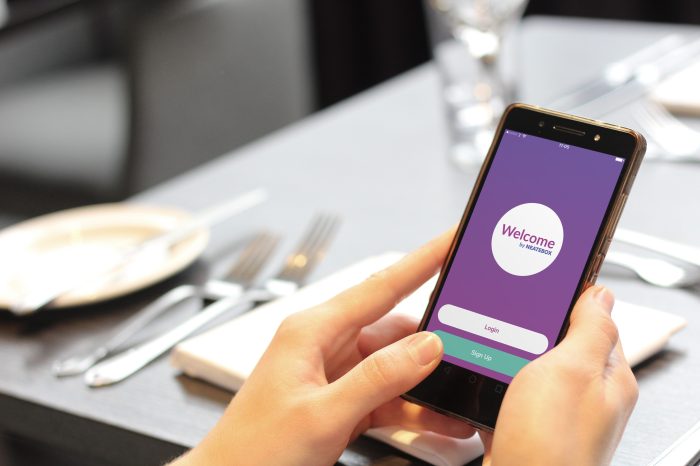
Accessible travel apps rely heavily on seamless integration with assistive technologies to provide a truly inclusive experience for users with disabilities. This integration ensures that individuals using screen readers, switch controls, or other assistive tools can navigate and utilize the app’s features effectively and independently. Without proper integration, these apps would be inaccessible and fail to meet their intended purpose.The core functionality of accessible travel apps hinges on their ability to interact correctly with assistive technologies.
This involves providing clear and structured information that screen readers can interpret accurately, ensuring proper labeling of interactive elements, and offering alternative text descriptions for images and other non-text content. Moreover, the app’s design should be flexible enough to accommodate various input methods, such as voice commands or switch controls.
Screen Reader Compatibility
Screen reader compatibility is paramount for visually impaired users. Apps must adhere to accessibility guidelines, such as those Artikeld in the Web Content Accessibility Guidelines (WCAG), to ensure that screen readers can accurately interpret the app’s content and functionality. This includes using proper semantic HTML, providing clear and concise labels for interactive elements (buttons, links, etc.), and using ARIA attributes where necessary to provide additional context to the screen reader.
For example, a well-designed app will ensure that a screen reader accurately announces the name of a destination, its associated price, and the availability of accessible features, such as wheelchair ramps or accessible restrooms. Poorly designed apps may present information in a confusing or incomprehensible manner to screen readers.
Compatibility with Other Assistive Technologies
Beyond screen readers, accessible travel apps should also consider compatibility with other assistive technologies, including switch controls, voice recognition software, and alternative input devices. Switch controls allow users with limited motor skills to interact with the app using a single switch or other specialized input device. Voice recognition software enables users to control the app using voice commands, while alternative input devices provide different ways for users with motor impairments to navigate and interact with the app’s features.
For instance, a user with limited dexterity might use a head-mounted pointer to select destinations on a map.
Challenges in Ensuring Seamless Integration
Ensuring seamless integration with assistive technologies presents several challenges. One significant challenge is the sheer variety of assistive technologies available, each with its own unique requirements and limitations. Developing an app that is fully compatible with all assistive technologies is a complex and time-consuming process. Another challenge is keeping up with the constant evolution of assistive technologies.
New technologies are constantly being developed, requiring developers to regularly update their apps to maintain compatibility. Finally, testing the app with various assistive technologies and users with diverse disabilities is crucial but can be resource-intensive.
Best Practices for Developers
Developers should prioritize accessibility from the outset of the app’s design and development process. This includes using accessible design patterns, adhering to accessibility guidelines like WCAG, and conducting thorough testing with assistive technologies and users with disabilities. Employing automated accessibility testing tools can help identify potential issues early on, but manual testing with real users remains essential. Regular updates to the app are also crucial to address compatibility issues with new versions of assistive technologies and operating systems.
Furthermore, developers should engage with the disability community to gain valuable feedback and insights during the design and development process. This collaborative approach ensures that the app meets the real-world needs of its users.
User Reviews and Feedback
User reviews and feedback are crucial for improving the accessibility and usability of travel apps. Analyzing both positive and negative experiences provides invaluable insights into what works well and where improvements are needed to ensure a truly inclusive travel experience for everyone. This section will explore examples of user feedback, both positive and negative, to illustrate the importance of continuous improvement in accessible travel app design.
Positive User Experiences
Several users have reported overwhelmingly positive experiences with accessible travel apps. For example, Sarah, a visually impaired traveler, praised the app “TravelEasy” for its clear and concise audio descriptions of landmarks and points of interest. She highlighted the app’s intuitive navigation and the seamless integration with her screen reader, allowing her to plan and navigate her trip independently. Similarly, Mark, a wheelchair user, found the app “Accessible Adventures” invaluable for its detailed information on wheelchair accessibility at various locations, including transportation options, restroom facilities, and accessible routes.
He specifically mentioned the helpfulness of the user-submitted photos and reviews that confirmed the accessibility information provided by the app. These positive experiences demonstrate the potential of accessible travel apps to empower travelers with disabilities and enhance their travel experiences.
User Feedback Form for Accessibility Features, Accessible travel apps
A user feedback form designed to assess the accessibility features of a travel app should be concise and straightforward. The form should focus specifically on gathering information related to accessibility features, not general app satisfaction.
| Feature | Rating (1-5, 1 being poor, 5 being excellent) | Comments |
|---|---|---|
| Screen Reader Compatibility | ||
| Audio Descriptions | ||
| Large Font Sizes/Customization | ||
| High Contrast Mode | ||
| Keyboard Navigation | ||
| Accessibility of Maps and Directions | ||
| Information on Accessibility of Locations (e.g., wheelchair ramps, accessible restrooms) | ||
| Alternative Text for Images | ||
| Support for Assistive Technologies (e.g., switch controls) |
Negative User Reviews and Accessibility Shortcomings
Negative reviews often highlight areas where accessible travel apps fall short. For instance, several users complained about inaccurate or outdated accessibility information in “ExploreAccessible,” leading to frustrating experiences and unexpected accessibility barriers during their travels. Another common complaint was the lack of sufficient audio descriptions in “WanderWise,” making it difficult for visually impaired users to fully utilize the app’s features.
Furthermore, some users criticized the poor keyboard navigation in “GlobalGo,” making it challenging for users with motor impairments to effectively interact with the app. These negative experiences underscore the need for rigorous quality control, regular updates, and user feedback mechanisms to ensure the accuracy and effectiveness of accessibility features.
Suggestions for Improving Accessibility Based on User Feedback
User feedback consistently points towards several key areas for improvement in accessible travel apps.
- Implement robust mechanisms for users to report inaccurate or outdated accessibility information.
- Invest in high-quality audio descriptions for all visual content.
- Ensure full keyboard navigation functionality throughout the app.
- Offer customizable font sizes and high contrast modes.
- Provide comprehensive information on accessibility features for various disabilities.
- Integrate with a wider range of assistive technologies.
- Conduct regular usability testing with users with disabilities.
- Establish clear communication channels for user feedback and issue resolution.
Ultimately, accessible travel apps represent a significant step towards inclusive tourism. By providing personalized features and seamless integration with assistive technologies, these apps break down barriers and empower individuals with disabilities to travel with confidence and independence. The ongoing development and refinement of these applications promise a future where accessible travel is not just possible, but truly enjoyable for everyone.
FAQ Guide: Accessible Travel Apps
What data privacy measures should accessible travel apps employ?
Accessible travel apps should prioritize data privacy by employing robust encryption, secure data storage, and transparent data usage policies, complying with relevant regulations like GDPR and CCPA.
How can I report bugs or accessibility issues in a travel app?
Most apps have a feedback section within the app settings or a dedicated email address for reporting bugs and accessibility issues. Look for contact information on the app’s website or app store page.
Are all accessible travel apps free to use?
No, some accessible travel apps are free, while others offer premium features or subscriptions for enhanced functionality. Check the app store listing for pricing details.
How can I ensure the app I choose is compatible with my assistive technology?
Check the app’s description on the app store for compatibility information. You can also contact the app developer directly to inquire about compatibility with your specific assistive technology.