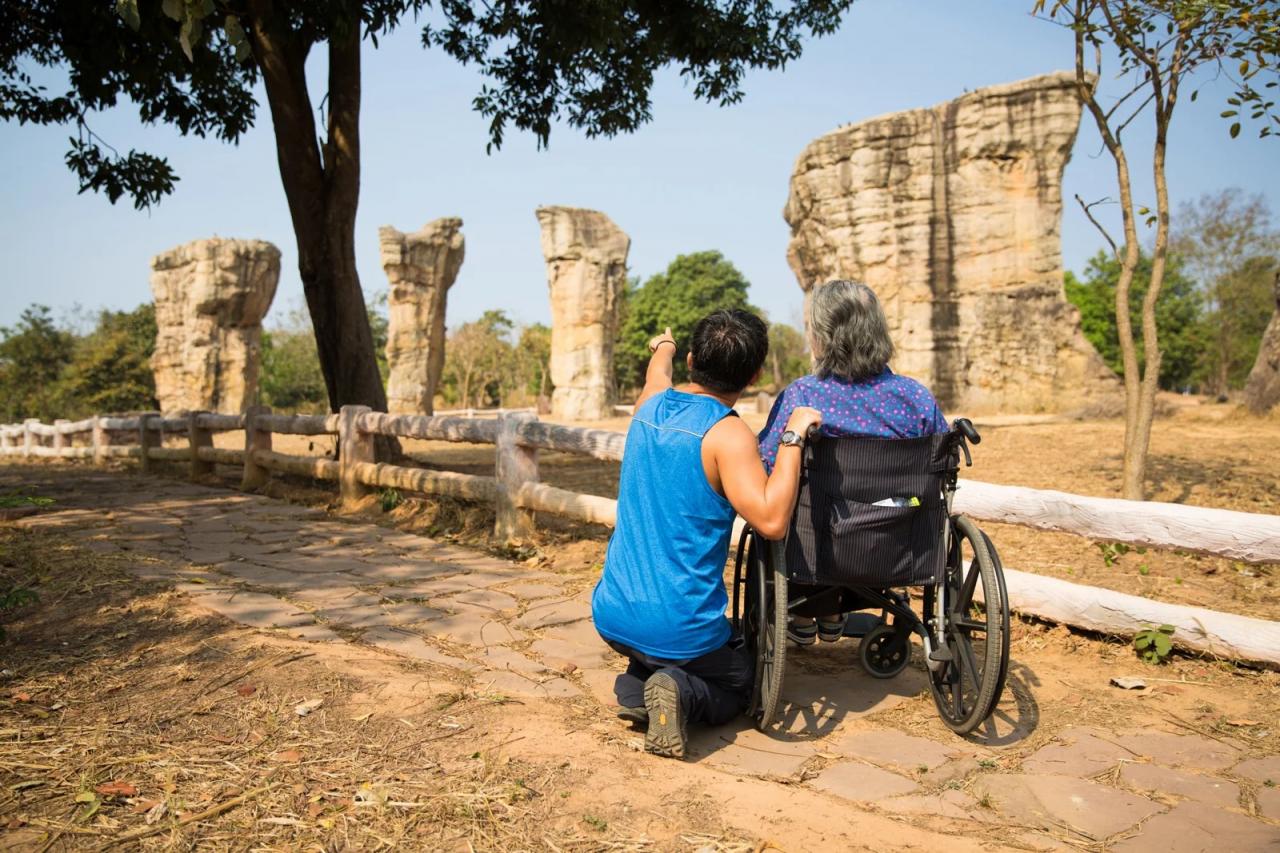
Accessible travel planning is no longer a niche interest; it’s a vital aspect of ensuring everyone can experience the joy of exploration. This guide delves into the multifaceted world of accessible travel, addressing the unique needs and considerations of travelers with disabilities. We’ll explore various transportation options, accommodation choices, and practical tips to help you plan a seamless and enjoyable trip, regardless of your abilities.
From navigating airports and train stations to selecting accessible accommodations and finding budget-friendly options, we’ll provide comprehensive information and resources to empower you to plan your next adventure with confidence. We’ll examine the legal frameworks surrounding accessible travel, discuss strategies for overcoming common barriers, and highlight the importance of proactive communication and research. Our goal is to make accessible travel planning straightforward and empowering for everyone.
Defining Accessible Travel
Accessible travel encompasses more than just wheelchair ramps; it’s about creating travel experiences that are enjoyable and inclusive for everyone, regardless of their abilities. It’s about removing barriers and ensuring that individuals with disabilities can participate fully in the travel process, from planning to arrival and return.Accessible travel considers a broad spectrum of needs, extending beyond physical limitations.
Physical Accessibility
Physical accessibility focuses on the built environment and transportation systems. This includes ensuring that accommodations, attractions, and transportation options are designed and equipped to meet the needs of people with mobility impairments. Examples of physical accessibility features include wheelchair-accessible ramps and elevators, accessible restrooms with grab bars and adequate space, and appropriately sized doorways and hallways. Barriers such as steps, narrow doorways, and lack of accessible transportation can significantly hinder travel for wheelchair users and individuals with other mobility challenges.
Overcoming these barriers requires proactive planning, utilizing resources like websites and apps that identify accessible locations, and contacting accommodations and transportation providers in advance to confirm accessibility features.
Sensory Considerations
Sensory accessibility addresses the needs of travelers with visual, auditory, or other sensory impairments. For individuals with visual impairments, this may involve providing braille or large-print materials, audio descriptions of attractions, and assistance with navigation. Travelers with auditory impairments may require sign language interpreters, captioned videos, and visual alerts. Examples of sensory barriers include a lack of tactile paving for visually impaired individuals, insufficient lighting, and the absence of visual or tactile cues for navigation.
These challenges can be mitigated through advance communication with service providers, requesting accommodations like assistive listening devices, and utilizing accessible technology such as screen readers and magnifiers.
Cognitive Accessibility
Cognitive accessibility focuses on the needs of travelers with cognitive disabilities, such as autism spectrum disorder, intellectual disabilities, or dementia. This involves providing clear, concise, and easily understandable information, avoiding sensory overload, and offering predictable routines and structures. Examples of cognitive accessibility features include simple and straightforward instructions, visual schedules, and quiet spaces for respite. Barriers such as complex navigation systems, overwhelming environments, and unpredictable changes in routine can pose significant challenges for travelers with cognitive disabilities.
Best practices include providing clear and consistent communication, offering options for personalized support, and choosing accommodations and destinations that cater to specific cognitive needs.
Best Practices for Inclusive Travel Planning
Proactive research and communication are essential for inclusive travel planning. Begin by identifying the specific accessibility needs of the traveler. Utilize online resources, such as accessibility ratings websites and forums, to research accessible accommodations, attractions, and transportation options. Directly contact service providers to confirm accessibility features and request any necessary accommodations. Clear and detailed communication ensures that all parties understand the traveler’s needs and can make appropriate arrangements.
This proactive approach significantly contributes to a more enjoyable and stress-free travel experience for all.
Transportation Options for Accessible Travel
Planning accessible travel requires careful consideration of transportation options, as accessibility features and regulations vary significantly across modes and even within the same mode depending on location and provider. Understanding these differences is crucial for ensuring a smooth and comfortable journey.
Air Travel Accessibility
Air travel accessibility is governed by a patchwork of international and national regulations. The Air Carrier Access Act (ACAA) in the United States, for example, mandates accessibility standards for US-based airlines. Similar legislation exists in many other countries, although the specifics can differ. Generally, these regulations cover aspects such as wheelchair assistance, onboard accessibility features (e.g., accessible lavatories, seat spacing), and the provision of information in accessible formats.
International standards, such as those set by the International Civil Aviation Organization (ICAO), provide a framework, but implementation varies. Airlines themselves also have their own accessibility policies, which may exceed minimum regulatory requirements. Passengers should always contact the airline directly to confirm the specific accessibility features available on their chosen flight and to arrange any necessary assistance.
Rail Travel Accessibility
Rail travel offers varying degrees of accessibility depending on the country and the specific rail company. Many countries have invested significantly in improving accessibility on their rail networks, particularly in high-speed rail services. However, older lines may present challenges. Accessibility features typically include ramps, elevators, accessible restrooms, and designated seating areas. Regulations often mandate features such as audible and visual announcements at stations and on board trains, and accessible ticketing systems.
European Union regulations, for example, set specific accessibility requirements for railway infrastructure and rolling stock. However, the extent of implementation varies across member states. As with air travel, it is vital to check directly with the rail company for specific details about accessibility features on chosen routes and to pre-book any necessary assistance.
Road Travel Accessibility
Accessibility in road travel encompasses a wide range of considerations, including vehicle accessibility, roadside services, and the accessibility of destinations. For private vehicles, accessible car adaptations (e.g., ramps, hand controls) are crucial. Public transportation, such as buses and taxis, must also comply with accessibility regulations. These regulations typically require features such as ramps, wheelchair securement systems, and accessible seating.
The accessibility of roadside services, such as rest stops and gas stations, also plays a role. International standards are less uniform for road travel compared to air and rail, with national and regional variations being more prevalent. Many countries are working towards improving accessibility in road transport, but progress varies.
Cruise Ship Accessibility
Accessibility on cruise ships has improved significantly in recent years, though challenges remain. International Maritime Organization (IMO) guidelines provide some guidance on accessibility, but implementation varies considerably among cruise lines. Features on accessible cruise ships often include accessible cabins, elevators, ramps, and adapted facilities such as pools and spas. However, the quality and extent of accessibility features can differ greatly between cruise lines and even between ships within the same line.
Passengers should carefully research the accessibility features of a specific ship before booking and contact the cruise line directly to discuss any specific needs.
Accessibility Feature Comparison Table
| Feature | Airline (Example: Airline A) | Train Company (Example: Train Company X) | Cruise Line (Example: Cruise Line Y) |
|---|---|---|---|
| Wheelchair Assistance | Available, pre-booking required | Available, pre-booking recommended | Available, pre-booking essential |
| Accessible Restrooms | On select aircraft | On most trains | Available on most ships |
| Accessible Seating | Designated seating, pre-booking required | Designated seating, available | Designated cabins, pre-booking essential |
| Information in Accessible Formats | Website and app accessibility features | Website and app accessibility features, audio announcements | Website and app accessibility features, onboard information in accessible formats |
Accommodation Choices for Accessible Travelers
Finding suitable accommodation is a crucial aspect of accessible travel planning. The right lodging can significantly enhance a trip, while unsuitable options can create unnecessary challenges and detract from the overall experience. A wide range of accessible options exists, catering to diverse needs and preferences.
Accessible accommodations go beyond simply having a ramp. They involve a holistic approach to design and provision, ensuring ease of movement, safety, and comfort for individuals with disabilities. This includes features that address mobility, visual, and auditory impairments, and other specific needs. Careful consideration of these features is paramount for a truly inclusive and enjoyable travel experience.
Types of Accessible Accommodations
Accessible accommodations are available in a variety of settings, providing choices to suit individual preferences and travel styles. Hotels, vacation rentals, and unique lodging options all offer accessible choices. Hotels often have designated accessible rooms, while vacation rentals provide more space and customization options. Unique stays, such as accessible treehouses or houseboats, offer a more specialized and memorable experience.
The availability and specific features of accessible options will vary depending on the location and provider.
Features of Accessible Rooms and Facilities, Accessible travel planning
Several key features define accessible rooms and facilities. These features are designed to improve accessibility and safety for travelers with disabilities. Ramps, wide doorways, and roll-in showers are common features aimed at improving mobility. Grab bars in bathrooms, adjustable height beds, and lowered countertops enhance safety and convenience. Adaptive equipment, such as hearing loops or visual alert systems, is also incorporated to cater to diverse needs.
Clear and well-lit pathways, accessible signage, and emergency call systems are further important elements contributing to a safe and comfortable stay. The level of accessibility can vary; always confirm the specific features available with the accommodation provider before booking.
Resources for Finding Accessible Accommodations
Locating accessible accommodations can be simplified by using various online resources and specialized booking platforms. These resources provide detailed information on accessibility features, allowing travelers to make informed choices.
Several websites and organizations specialize in helping travelers with disabilities find suitable accommodations. These resources often provide detailed descriptions of accessibility features, user reviews, and contact information for direct inquiries.
- AccessibleGo: A website dedicated to accessible travel, featuring listings of accessible hotels, vacation rentals, and other accommodations worldwide.
- Wheelchair Getaways: This website focuses specifically on travel for wheelchair users, offering detailed information and booking services for accessible accommodations.
- Booking.com, Expedia, Airbnb: While not exclusively focused on accessibility, these major booking platforms allow users to filter search results by accessibility features, enabling travelers to find suitable options.
- Disability Travel Resources: Many organizations dedicated to disability rights and advocacy offer travel resources and guides, including lists of accessible accommodations.
Flight Deals and Hacks for Accessible Travelers
Securing affordable airfare while accommodating accessibility needs requires strategic planning and awareness of available resources. Finding the right balance between cost and comfort is crucial for accessible travel, and this section will provide practical tips and resources to help you achieve this. Remember that flexibility is key – being open to different travel dates and times can significantly impact the price.Finding affordable flights while maintaining accessibility standards involves careful research and proactive planning.
Several strategies can significantly reduce travel costs without compromising the necessary accommodations for wheelchair users or those with other disabilities.
Finding Affordable Accessible Flights
Several websites and search engines allow for filtering based on accessibility needs. However, it’s often more effective to book directly with airlines, as this allows for personalized assistance and ensures accurate communication regarding your requirements. Consider using flight comparison websites initially to get an idea of pricing, but always verify availability and accessibility options directly with the airline before booking.
Utilizing airline loyalty programs can also offer benefits, including potential upgrades or priority boarding, which can be particularly beneficial for accessible travelers. Finally, booking flights during off-peak seasons or on less popular days of the week often leads to lower fares.
Booking Accessible Seating and Requesting Special Assistance
When booking your flight, clearly communicate your accessibility needs during the booking process. Most airlines have online forms or dedicated phone lines for special assistance requests. Specify the type of assistance you require (wheelchair assistance, assistance with boarding, etc.) and any specific equipment you may need (e.g., a specific type of wheelchair). Be sure to confirm your request with the airline several days before your departure to ensure everything is in place.
Requesting aisle seats can also provide easier access and more space for movement.
Resources for Accessible Flight Deals
While there isn’t a single dedicated website solely focused on accessible flight deals, several resources can help you find affordable flights while accommodating your needs. Websites such as Google Flights and Skyscanner allow for filtering based on certain criteria, though accessibility options might not always be fully detailed. Directly contacting airlines and explaining your needs is often the most effective approach.
Many airlines have dedicated accessibility teams who can assist with finding suitable flights and arranging necessary accommodations. Travel agents specializing in accessible travel can also provide valuable assistance in navigating the booking process and identifying the best options.
Train Travel Guides for Accessible Travelers
Planning a train journey when you have accessibility needs requires careful preparation and understanding of the services available. This guide offers practical advice to help you navigate train stations, trains themselves, and the booking process, ensuring a smoother and more enjoyable travel experience.
Navigating Train Stations and Trains
Navigating train stations and trains with accessibility requirements can vary significantly depending on the country and the specific rail operator. However, some common features and considerations apply across many networks. Many stations now boast features like ramps, elevators, and accessible restrooms. However, the quality and availability of these facilities can vary, so pre-trip research is essential. When boarding a train, look for designated accessible carriages or areas clearly marked with appropriate symbols.
These carriages often have wider aisles and more space for wheelchairs or other mobility aids. Onboard, staff members are usually available to provide assistance with seating, luggage, and other needs, although requesting assistance in advance is strongly recommended. Be aware that older trains may have less accessible features than newer ones. It’s always advisable to check with the train operator directly regarding specific accessibility features on your chosen route and train.
Booking Accessible Train Tickets and Requesting Assistance
Booking accessible train tickets usually involves contacting the train operator directly, either by phone or through their website. Many websites have dedicated accessibility sections or booking options. When booking, clearly state your accessibility needs, specifying the type of assistance required (e.g., wheelchair assistance, assistance with boarding, or assistance with luggage). This allows the operator to make the necessary arrangements.
It’s crucial to provide accurate details of your requirements, including the dimensions of any mobility aids you’ll be using, to ensure appropriate accommodations are in place. Confirm your booking and any requested assistance well in advance of your travel date to allow ample time for arrangements. Some operators offer a dedicated accessible travel booking service for more complex needs.
Using Online Resources to Find Accessible Train Routes
Several online resources can help you identify train routes with good accessibility features. Many train operator websites provide detailed accessibility information for individual trains and stations, including descriptions of accessibility features, photos, and sometimes even virtual tours. Third-party travel websites may also filter search results based on accessibility criteria, allowing you to find routes best suited to your needs.
Remember to always double-check the information provided on these websites with the train operator directly, as accessibility features can change over time. Look for websites and apps that offer detailed accessibility information, such as descriptions of ramps, elevators, accessible restrooms, and the width of aisles on trains. Cross-referencing information from multiple sources can give you a more comprehensive picture.
Cruise Ship Reviews Focusing on Accessibility
Choosing a cruise can be an exciting prospect, but for travelers with accessibility needs, careful research is crucial. This section provides reviews and comparisons of cruise lines and ships known for their commitment to accessible travel, helping you find the perfect voyage. We will examine various accessibility features and services offered to ensure a smooth and enjoyable experience for everyone.
Accessible Cruise Line Comparisons
Several cruise lines stand out for their accessibility provisions. Royal Caribbean International, for example, offers a wide range of accessible staterooms and amenities, including roll-in showers and adaptable furniture. They also provide comprehensive information on their website detailing accessibility features on each ship. Similarly, Carnival Cruise Line boasts a good reputation for accessibility, with accessible cabins and dedicated staff trained to assist passengers with disabilities.
However, the specific amenities and services can vary between ships and cruise lines, so thorough research remains essential. Norwegian Cruise Line also offers accessible options, often highlighting their accessible cabins and facilities on their booking platforms. It’s important to note that while many cruise lines strive for inclusivity, individual experiences can vary.
Accessibility Features on Select Cruise Ships
The availability of accessible features varies considerably between cruise ships, even within the same cruise line. To illustrate this, the following table compares features on three popular ships known for their accessibility offerings. Remember to always verify details directly with the cruise line before booking.
| Cruise Ship | Accessible Staterooms | Accessible Amenities | Accessibility Services |
|---|---|---|---|
| Royal Caribbean’s Voyager of the Seas | Various stateroom types with roll-in showers, grab bars, and lowered counters. | Accessible restaurants, pools, and theaters with designated seating. | Wheelchair assistance, sign language interpreters (upon request), and accessible shore excursions. |
| Carnival Breeze | Accessible staterooms with wider doorways and adapted bathrooms. | Accessible elevators, pools with ramps, and adapted show venues. | Assistive listening devices, accessible signage, and trained staff to assist passengers. |
| Norwegian Epic | Wide selection of accessible staterooms with various configurations. | Accessible restaurants, bars, pools, and other public areas. | Wheelchair rentals, accessible shore excursions, and a dedicated accessibility team. |
Reviewing Passenger Experiences
Passenger reviews provide valuable insights into the real-world accessibility of cruise ships. While individual experiences can differ, consistent positive feedback regarding accessibility often points to a cruise line’s genuine commitment to inclusive travel. Reading reviews on websites such as TripAdvisor or Cruise Critic can offer firsthand accounts of the accessibility features and services provided. It’s advisable to focus on reviews specifically mentioning accessibility features and the assistance received from cruise staff.
Look for comments about the ease of navigating the ship, the quality of accessible amenities, and the responsiveness of the cruise line’s staff in addressing accessibility-related concerns.
Road Trip Guides for Accessible Travelers

Planning an accessible road trip requires meticulous preparation to ensure a smooth and enjoyable journey. This guide offers advice on route planning, vehicle selection, and considerations for rest stops, accessible attractions, and emergency services, ultimately aiming to create a memorable and inclusive travel experience.Planning an accessible road trip involves careful consideration of various factors beyond typical road trip planning.
Route selection, vehicle suitability, and accessibility of attractions and services along the way are all critical components of a successful and enjoyable trip for travelers with disabilities.
Route Planning for Accessible Road Trips
Effective route planning is paramount. Utilizing online mapping tools with accessibility filters is crucial. These tools can identify accessible routes, highlighting areas with ramps, accessible restrooms, and other essential features. Consider the total driving time and plan for frequent breaks, factoring in the specific needs of the traveler. For example, a person using a wheelchair might require more frequent stops than someone without mobility limitations.
Researching accessible lodging options along the route is also vital, ensuring overnight stays are comfortable and convenient.
Vehicle Selection for Accessible Road Trips
The choice of vehicle significantly impacts the accessibility of a road trip. For wheelchair users, a vehicle with a wheelchair lift or ramp is essential. Consider the size and storage capacity needed for mobility aids and other necessary equipment. A spacious vehicle allows for comfortable travel and easier movement within the car. If renting, ensure the rental company provides clear information on vehicle accessibility features and any associated costs.
For example, a minivan with a side-entry ramp might be a suitable option for one wheelchair user, while a larger van with a rear lift might be necessary for multiple wheelchair users or individuals with other mobility aids.
Rest Stops, Accessible Attractions, and Emergency Services
Identifying accessible rest stops along the route is critical. Many rest areas offer accessible restrooms and parking, but it’s essential to verify this information beforehand using online resources or contacting the rest stop directly. Similarly, researching accessible attractions is crucial. Websites and visitor information centers often provide detailed accessibility information, including descriptions of ramps, elevators, and accessible pathways.
Planning for potential emergencies is equally important. Familiarize yourself with the locations of accessible emergency services along the route, and ensure that your travel companions are aware of your accessibility needs and any emergency contact information.
Sample Accessible Road Trip Itinerary: California Coast Highway 1
This itinerary focuses on a section of California’s Highway 1, known for its scenic beauty. It incorporates accessible attractions and accommodations, showcasing the potential for accessible road trips.
| Day | Location | Activities | Accommodation | Accessibility Notes |
|---|---|---|---|---|
| Day 1 | Monterey | Monterey Bay Aquarium (partially accessible, check website for details), Cannery Row stroll (mostly accessible sidewalks) | Accessible hotel in Monterey (research options beforehand) | The aquarium has elevators and ramps, but some areas might be challenging. Cannery Row sidewalks are generally accessible but may have some uneven sections. |
| Day 2 | Carmel-by-the-Sea | Explore Carmel’s charming streets (mostly accessible, some uneven paving), Carmel Beach (accessible boardwalk) | Accessible hotel in Carmel (research options beforehand) | Carmel’s streets can be uneven, but the boardwalk at Carmel Beach provides excellent accessibility. |
| Day 3 | Big Sur | Scenic drive along Highway 1 (limited accessibility at some viewpoints, plan accordingly), Pfeiffer Big Sur State Park (some accessible trails, check park website) | Accessible lodge or cabin in Big Sur (research options beforehand) | Many viewpoints along Highway 1 have limited accessibility. Pfeiffer Big Sur State Park offers some accessible trails, but others may be challenging. |
Remember, this is a sample itinerary, and thorough research is crucial for any accessible road trip. Always check the accessibility information for specific locations and accommodations before finalizing your plans.
Budget Accommodation Tips for Accessible Travelers: Accessible Travel Planning
Finding affordable and accessible accommodation can be a challenge, but with some planning and research, it’s entirely achievable. This section offers strategies for locating budget-friendly options that meet your accessibility needs, comparing various accommodation types to help you make informed decisions.
Cost Comparison of Accessible Accommodation Types
The cost of accessible accommodation varies significantly depending on the type of lodging, location, and amenities offered. Generally, hotels tend to be more expensive than other options, but they often provide a wider range of accessibility features. Hostels, while typically budget-friendly, may have limited accessibility options, and availability of accessible rooms can be unpredictable. Vacation rentals, such as apartments or houses, offer a middle ground, with varying levels of accessibility depending on the specific property and its modifications.
It’s crucial to carefully review the accessibility details provided by each accommodation before booking. For example, a hotel might charge a premium for an accessible room, while a vacation rental with pre-existing accessibility features may offer better value for money.
Finding Budget-Friendly Accessible Accommodation
Several strategies can help you find affordable accessible accommodation. Websites specializing in accessible travel often list budget-friendly options, filtering results by accessibility features and price range. Look for discounts and deals offered by hotels or vacation rental platforms. Consider traveling during the off-season or shoulder season, when prices are generally lower. Joining loyalty programs or using travel reward points can also contribute to cost savings.
Remember to thoroughly check reviews to verify the accuracy of accessibility information provided by the accommodation. Don’t hesitate to contact the accommodation directly to inquire about specific accessibility features and confirm their availability.
Examples of Budget-Friendly Accessible Accommodation in Popular Destinations
Finding affordable accessible accommodation requires proactive research and flexible travel planning. Below are some examples, remembering that prices and availability are subject to change:
- London, UK: Several hostels and budget hotels in less central areas offer accessible rooms at lower rates than those in the city center. Consider searching for accommodations in zones slightly outside the main tourist hubs.
- Paris, France: Look for smaller, family-run hotels or guesthouses in quieter neighborhoods. These often offer more personalized service and potentially better value than larger chain hotels.
- New York City, USA: While NYC is known for high costs, searching for accessible accommodations in the outer boroughs like Brooklyn or Queens can reveal more affordable options. Consider Airbnb for potential savings on apartments with accessibility features.
- Rome, Italy: Explore accommodations outside the immediate city center. Smaller hotels or apartments in neighborhoods like Trastevere or Monti may offer more budget-friendly accessible options.
- Barcelona, Spain: Similar to other cities, looking beyond the most central areas can uncover more affordable accessible hotels or vacation rentals.
Vacation Rentals and Airbnb for Accessible Travelers
Vacation rentals and Airbnb offer a compelling alternative to traditional hotels for accessible travel, providing greater flexibility and often more spacious accommodations. However, it’s crucial to understand both the advantages and potential drawbacks before booking. Careful planning and thorough communication with hosts are key to a successful and comfortable trip.Vacation rentals, including those listed on Airbnb, can offer significant advantages for accessible travelers.
Often, these properties provide more space than a standard hotel room, allowing for easier maneuverability with mobility aids. Furthermore, many hosts are willing to make reasonable accommodations to enhance accessibility, exceeding the capabilities of a standard hotel. The kitchen facilities available in most vacation rentals can also be a significant benefit, allowing for greater control over meal preparation and dietary needs.
However, the accessibility features vary widely, and relying solely on photos and descriptions can be misleading.
Searching and Booking Accessible Vacation Rentals
Finding an accessible vacation rental requires a proactive approach. Utilize the filter options on Airbnb and similar platforms to specify accessibility needs, such as wheelchair accessibility, ramps, roll-in showers, and grab bars. Read reviews carefully, paying close attention to comments from other travelers with similar accessibility requirements. Contact potential hosts directly to clarify any uncertainties regarding accessibility features and ask for detailed information beyond the initial listing.
Many hosts are happy to provide additional photos or videos to showcase the accessibility of their property.
Accessibility Feature Verification
Before confirming a booking, a thorough verification of accessibility features is crucial. This involves more than simply relying on the host’s description. A comprehensive checklist of questions will ensure that the property meets your specific needs. This proactive approach helps prevent potential disappointments during your vacation.
Checklist of Questions for Hosts Regarding Accessibility
It is essential to verify the accessibility features of a vacation rental before booking. Here’s a checklist of questions to ask potential hosts:
- What is the width of doorways and hallways? Are there any narrow passages?
- Are there ramps or other means of accessing the property and all levels?
- Describe the bathroom facilities, including the shower/tub, toilet height, and grab bars.
- Is there sufficient space for a wheelchair to maneuver comfortably in each room?
- What type of flooring is used throughout the property? (e.g., smooth surfaces versus carpeting)
- Is there accessible parking available? If so, how far is it from the entrance?
- Are there any steps within the property, and if so, are there alternatives available?
- Are there any assistive devices available (e.g., shower chairs, raised toilet seats)?
- Can you provide detailed photographs or a video tour of the accessible features?
- Are there any other accessibility features or considerations I should be aware of?
Hotel Reviews and Tips for Accessible Travelers
Choosing accessible hotel accommodations is crucial for a smooth and enjoyable trip. Many hotels advertise accessibility, but the reality can vary significantly. This section provides reviews and comparisons to help you make informed decisions. Understanding a hotel’s accessibility features beyond basic descriptions is vital for planning a comfortable and stress-free vacation.
Hotel Chain Accessibility Comparisons
Several major hotel chains have made strides in improving accessibility, but their offerings differ considerably. This comparison focuses on common accessibility features and policies. It’s important to always verify specifics directly with the hotel before booking.
| Hotel Chain | Wheelchair-Accessible Rooms | Bathroom Accessibility | Assistive Technology |
|---|---|---|---|
| Marriott | Widely available, varying by location. Often feature roll-in showers and grab bars. | Roll-in showers, grab bars, adaptable vanities commonly available. | Some locations offer TTY phones and visual alert systems. Specific services vary. |
| Hilton | Widely available, features often include lowered countertops and wider doorways. | Roll-in showers and grab bars are common features. | TTY phones are generally available. Check individual hotel for other assistive technology. |
| Hyatt | Available in many locations; features can include accessible routes and ramps. | Accessible bathrooms often include roll-in showers and adapted fixtures. | Some locations offer assistive listening devices. Contact hotel directly for details. |
| Best Western | Accessibility varies significantly by location; it’s crucial to check individual hotel details. | Bathroom features vary widely; check specifics during booking. | Assistive technology availability is inconsistent; contact the hotel directly to confirm. |
Reviews of Hotels Known for Accessibility
Several hotels consistently receive positive feedback for their commitment to accessibility. These reviews are based on aggregated user experiences from various travel websites and online forums, and represent general trends, not individual experiences which can vary. Always check recent reviews before booking.
For example, the Omni Hotels & Resorts chain frequently receives praise for its comprehensive accessibility features and proactive staff training. Many users report well-maintained accessible rooms and helpful staff who are knowledgeable about accessibility needs. Similarly, certain independent boutique hotels often prioritize accessibility and offer personalized service, resulting in positive feedback from travelers.
Tips for Booking Accessible Hotel Rooms
When booking an accessible hotel room, always confirm details directly with the hotel. Don’t rely solely on online descriptions. Request specific information about room features, such as shower type, door width, and the availability of assistive technology. Consider calling the hotel directly to discuss your specific needs and ask about their accessibility policies. Booking well in advance is also recommended, particularly for popular destinations or during peak travel seasons.
This allows the hotel adequate time to accommodate your needs.
RV and Camper Travel for Accessible Travelers
RV and camper travel offers a unique blend of freedom and flexibility, but accessibility considerations are crucial for ensuring a comfortable and enjoyable trip for travelers with disabilities. While challenges exist, careful planning and adaptation can unlock incredible opportunities for accessible exploration and adventure. This section explores the specifics of RV and camper travel for individuals with diverse accessibility needs.RV and camper travel presents both unique challenges and exciting opportunities for accessible travelers.
The open road offers unparalleled freedom, allowing travelers to explore at their own pace and discover hidden gems off the beaten path. However, the physical layout of RVs and campers, along with the accessibility of campsites and facilities, can present significant obstacles. Careful consideration of these factors is essential for a successful and enjoyable trip.
Selecting and Adapting RVs and Campers for Accessibility
Choosing the right RV or camper is paramount. Consider the size and layout to ensure sufficient space for mobility devices like wheelchairs or walkers. Features like ramps, wider doorways, roll-in showers, and adaptable bathroom fixtures are vital. Many manufacturers now offer accessibility options, but modifications may be necessary depending on individual needs. For example, a motorized lift might be added to provide easier access to bunks or upper storage compartments.
Custom adaptations, such as lowered countertops or adjustable shelving, can significantly improve usability. Thorough research and consultation with accessibility specialists are recommended before making a purchase.
Accessible RV Parks and Campgrounds
Finding accessible campsites is another crucial aspect of planning. Not all RV parks and campgrounds are created equal when it comes to accessibility. Some offer paved pathways, accessible restrooms and showers, and level campsites suitable for wheelchair users. Websites like the Accessible Travel Directory and various state park websites often provide detailed information on accessibility features. It’s essential to contact parks directly to confirm the availability of specific accessibility features before booking, as descriptions online might not always be completely accurate.
Consider factors like proximity to amenities, the condition of the campsite surface (paved vs. gravel), and the availability of accessible parking.
Resources and Information for Accessible RV Travel
Several organizations and websites provide valuable resources and information for accessible RV travel. These resources can help travelers find accessible RVs, plan accessible routes, and locate accessible campsites. For instance, some disability advocacy groups offer guides and checklists specifically for accessible RV travel, highlighting key considerations and providing recommendations for adaptations. Online forums and communities dedicated to RV travel often have threads discussing accessibility, allowing travelers to share their experiences and offer advice.
Additionally, many RV rental companies are now specializing in providing accessible RVs, further expanding the opportunities for accessible RV travel.
Planning accessible travel requires careful consideration, but the rewards—the opportunity to explore new places and create lasting memories—are immeasurable. By understanding the various accessibility options available and employing the strategies Artikeld in this guide, you can embark on a fulfilling and enriching travel experience. Remember that proactive planning and open communication are key to a successful and enjoyable trip. Embrace the adventure, and let nothing hold you back from exploring the world!
FAQs
What are some hidden accessibility costs I should consider?
Hidden costs can include specialized equipment rentals (wheelchairs, scooters), personal assistance fees, and potential modifications needed for certain activities.
How can I ensure my travel insurance covers accessibility needs?
Carefully review your policy and contact your insurer directly to confirm coverage for medical emergencies, equipment damage or loss, and potential trip cancellations due to accessibility issues.
What if my accessible needs change during my trip?
Maintain open communication with your travel providers (hotels, airlines, etc.). Many are adaptable and will do their best to assist you if unforeseen circumstances arise.
How do I handle unexpected accessibility challenges on the road?
Remain calm and contact your travel provider or local accessibility resources for assistance. Having backup plans and emergency contacts can be invaluable.