Affordable destinations for digital nomads are increasingly sought after by those seeking a balance between work and travel. This guide explores various budget-friendly locations, examining factors like cost of living, visa requirements, internet infrastructure, and accommodation options. We’ll delve into practical strategies for managing expenses related to food, transportation, and activities, ensuring a fulfilling and financially responsible nomadic lifestyle.
From finding affordable long-term rentals to utilizing transportation hacks and discovering hidden gems in unique accommodations, this comprehensive resource aims to empower digital nomads to explore the world without breaking the bank. We will cover diverse options, including hostels, Airbnbs, house-sitting, and even budget-friendly cruise options, providing a detailed overview to assist in planning your next adventure.
Budget Accommodation for Digital Nomads
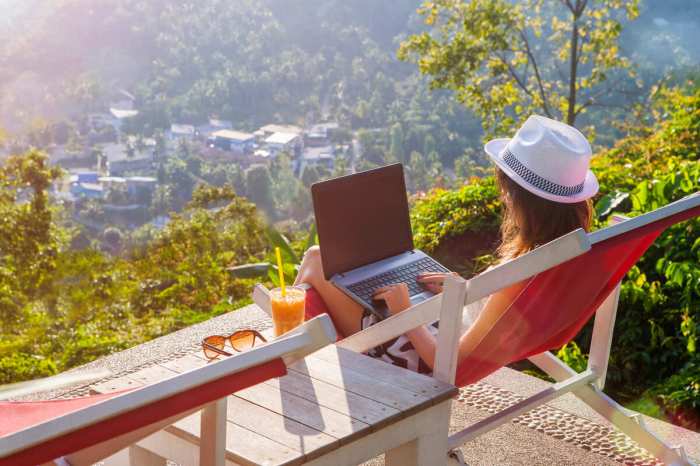
Securing affordable and comfortable accommodation is crucial for digital nomads aiming to maximize their travel budget. The right living situation can significantly impact productivity, well-being, and the overall enjoyment of the nomadic lifestyle. Choosing between hostels, vacation rentals, or other options requires careful consideration of individual needs and priorities.
Hostels versus Vacation Rentals for Long-Term Stays
Long-term stays in hostels versus vacation rentals present distinct advantages and disadvantages. Hostels, often favored for their affordability, offer a social environment ideal for networking and meeting fellow travelers. However, the shared nature of facilities and potential noise can impact productivity and privacy. Vacation rentals, such as those found on Airbnb, provide more privacy and space, potentially enhancing focus and comfort.
Yet, they can be significantly more expensive, especially for extended stays, and may lack the built-in social aspect of hostels.
Tips for Finding Affordable and Reliable Long-Term Accommodation
Finding affordable and reliable long-term accommodation requires proactive searching and careful vetting.
First, consider less popular destinations or travel during the off-season to negotiate lower prices. Secondly, engage in direct communication with property owners or managers to potentially secure better deals than those advertised online. Thirdly, leverage online platforms beyond Airbnb, exploring local listing sites or Facebook groups specific to your chosen destination. Fourth, always read reviews thoroughly and check for verified references to avoid scams and ensure the safety and reliability of the accommodation.
Finally, negotiate long-term discounts – landlords are often willing to offer reduced rates for extended stays.
Unique and Budget-Friendly Accommodation Options
Beyond hostels and vacation rentals, creative alternatives exist for budget-conscious digital nomads.
House-sitting, for instance, offers free accommodation in exchange for looking after a homeowner’s property and pets. Websites specializing in house-sitting connect sitters with homeowners, offering a unique and immersive experience. Working exchange programs, such as WWOOF (World Wide Opportunities on Organic Farms), provide room and board in exchange for helping out on a farm or similar establishment. This option is ideal for individuals seeking a slower pace and connection with nature.
Cost and Benefit Comparison of Accommodation Types
| Accommodation Type | Cost (Monthly Estimate) | Advantages | Disadvantages |
|---|---|---|---|
| Hostel Dorm Bed | $300 – $800 | Affordable, social environment, convenient location | Limited privacy, shared facilities, potential noise |
| Airbnb (Private Room/Studio) | $800 – $2000+ | More privacy, kitchen facilities, often more space | Can be expensive, booking fees, less social interaction |
| Long-Term Hotel Stay | $1500 – $3000+ | Amenities, reliable service, consistent quality | Very expensive, lacks the “home” feel, less flexibility |
Food and Groceries on a Budget
Eating affordably as a digital nomad is crucial for maintaining a sustainable lifestyle. Careful planning and a willingness to embrace local customs can significantly reduce food costs, freeing up your budget for other adventures and experiences. This involves a combination of smart shopping, cooking at home, and strategically choosing where to eat out.One of the most effective strategies is to cook your own meals whenever possible.
This not only saves money but also allows you to control the ingredients and portion sizes, leading to a healthier diet. By purchasing groceries in bulk and preparing larger portions, you can easily save time and money throughout the week.
Grocery Costs in Three Destinations
The cost of groceries varies dramatically depending on location. Let’s compare average weekly grocery costs for a single digital nomad in three popular and affordable destinations: Chiang Mai, Thailand; Medellin, Colombia; and Lisbon, Portugal. These estimates are based on a mix of local and imported goods, aiming for a balanced and nutritious diet. It’s important to note that these are approximate figures and can fluctuate based on seasonal availability and individual preferences.
| Location | Estimated Weekly Grocery Cost (USD) | Notes |
|---|---|---|
| Chiang Mai, Thailand | $50 – $75 | Abundant fresh produce at incredibly low prices. Street food is also extremely affordable. |
| Medellin, Colombia | $60 – $90 | Fruits, vegetables, and staples are relatively inexpensive. Imported goods can be more expensive. |
| Lisbon, Portugal | $75 – $110 | Generally more expensive than Southeast Asia or some parts of South America, but still manageable with careful planning. Local markets offer better value than supermarkets. |
Finding Local Markets and Affordable Restaurants
Discovering local markets is key to accessing the freshest and most affordable produce. These markets are usually bustling hubs of activity, offering a vibrant cultural experience alongside significant cost savings. Many offer a wider variety of goods and often have lower prices than larger supermarkets. In addition to local markets, many affordable restaurants exist catering specifically to locals.
These establishments offer authentic cuisine at a fraction of the cost of tourist-oriented restaurants.To find these hidden gems, try venturing away from the main tourist areas, exploring residential neighborhoods, and asking locals for recommendations. Utilizing apps like Google Maps and social media can also help locate well-rated and budget-friendly eateries. Looking for daily lunch specials (“menu del dia” in Spanish-speaking countries) or “prato do dia” (in Portuguese-speaking countries) is another excellent strategy to find affordable meals.
Remember to always check reviews before visiting a new restaurant to ensure it meets your standards of quality and hygiene.
Transportation Costs for Digital Nomads
Getting around as a digital nomad significantly impacts your budget. Choosing the right transportation method can save you considerable money, allowing you to extend your travels or reinvest those savings in other aspects of your nomadic lifestyle. This section will explore the various transportation options available, focusing on cost-effectiveness and strategies for minimizing expenses.
Transportation Costs: Buses, Trains, and Domestic Flights
Southeast Asia, a popular destination for digital nomads, offers a diverse range of transportation options, each with its own price point. Buses are generally the cheapest, ideal for shorter distances between cities or towns. Expect to pay anywhere from a few dollars to upwards of $20 USD depending on the distance and the level of comfort (e.g., sleeper bus vs.
regular bus). Trains offer a more comfortable experience, particularly on longer journeys, but are typically more expensive than buses, ranging from $10 to $50 USD or more, depending on the class and distance. Domestic flights are the fastest option, but also the most expensive, ranging from $30 USD for short hops to several hundred dollars for longer flights. The cost of these options is heavily influenced by factors such as the time of year, booking in advance, and the specific route.
For example, a bus journey from Bangkok to Chiang Mai might cost around $10-$15 USD, while a train journey could cost $20-$40 USD, and a flight could cost anywhere from $40-$80 USD or more depending on the season.
Cost-Effectiveness of Transportation in Southeast Asia
Comparing the cost-effectiveness of these options requires considering not just the price of the ticket but also the time spent traveling. While buses are the cheapest, they can be significantly slower than trains or flights, potentially impacting your productivity or costing you valuable time. Trains offer a balance between cost and comfort, and are often a better option for longer distances where the time saved outweighs the extra cost compared to a bus.
Flights are best suited for longer distances where time is of the essence, even if the cost is higher. A practical example: Traveling from Ho Chi Minh City to Hanoi in Vietnam. A bus journey would take approximately 30 hours, while a flight would take around 2 hours. The significant time saving with the flight might justify the higher cost, especially for someone with a tight schedule or who values their time.
Finding Affordable Flight Deals and Transportation Hacks
Several strategies can help digital nomads minimize their transportation costs. Booking flights well in advance often results in lower fares. Consider using flight comparison websites to find the best deals across different airlines. Loyalty programs and credit card points can significantly reduce the cost of flights, and should not be overlooked. Travel during the shoulder seasons (periods before and after peak tourist seasons) can also yield lower prices.
Furthermore, utilizing budget airlines, which often have less comfortable seating and fewer amenities, can be a cost-effective solution for shorter journeys. Another hack is to be flexible with your travel dates. Shifting your travel dates by just a day or two can sometimes result in substantial savings. For example, flying on a Tuesday or Wednesday is often cheaper than flying on a weekend.
Flight Deals and Hacks
Finding affordable flights is crucial for digital nomads who frequently relocate. Mastering flight search techniques and understanding various booking strategies can significantly reduce travel expenses, allowing for more time exploring your chosen destinations and less time worrying about the cost. This section will Artikel effective strategies for securing the best flight deals.Utilizing flight comparison websites effectively involves more than just typing in your destinations and dates.
Understanding the nuances of these tools, and employing advanced search techniques, can unlock significant savings. Many websites allow for flexible date searches, showing price variations across several days. This allows you to identify the cheapest days to fly, even if it means shifting your travel plans slightly.
Effective Use of Flight Comparison Websites
To maximize the effectiveness of flight comparison websites, consider the following: Use incognito or private browsing mode to avoid personalized pricing, clear your browser’s cookies, and experiment with different search variations (e.g., nearby airports, alternative dates). Websites like Google Flights, Skyscanner, Kayak, and Momondo offer powerful search features including price tracking and flexible date options. These tools allow you to set up alerts for price drops on specific routes, ensuring you don’t miss out on a great deal.
Remember to compare prices across multiple websites, as prices can vary significantly.
Strategies for Finding Last-Minute Flight Deals
While last-minute bookings often carry a higher risk of limited availability and inflated prices, there are instances where you can find incredible deals. Airlines sometimes release last-minute seats at discounted prices to fill empty planes. Websites specializing in last-minute deals, such as Lastminute.com or Hotwire, can be valuable resources, though they often require more flexibility in your travel plans.
Be prepared to be adaptable with your travel dates and destinations to maximize your chances of finding a bargain. Consider flying to smaller, less popular airports, as these often have lower fares.
Saving Money on Baggage Fees
Airlines frequently charge significant fees for checked baggage. Packing light is the most effective way to avoid these charges. Invest in lightweight, compressible clothing and packing cubes to maximize space and minimize weight. Utilize carry-on luggage exclusively whenever possible, adhering to airline size restrictions. If checked baggage is unavoidable, consider comparing baggage fees across different airlines before booking your flight.
Some airlines offer lower baggage fees or even include a checked bag in the ticket price. Also, explore alternative options like shipping luggage ahead of time via services like Luggage Forward, although this adds additional cost and planning.
Train Travel Guides: Affordable Destinations For Digital Nomads
Train travel offers a unique blend of affordability and adventure for digital nomads, providing a comfortable and often scenic alternative to flying or driving. This section explores the practicalities and benefits of utilizing rail networks for nomadic travel, covering planning strategies, regional considerations, and suggestions for breathtaking journeys.Planning efficient and cost-effective train journeys requires a strategic approach. Careful research and advance booking are key to securing the best fares.
Utilizing online platforms that compare prices across various rail companies can significantly reduce travel costs. Consider off-peak travel times and flexible ticketing options to further minimize expenses. Packing light is also crucial, as luggage fees can quickly add up.
Advantages and Disadvantages of Train Travel in Different Regions
The advantages and disadvantages of train travel vary considerably depending on the region. In Europe, for instance, extensive and well-maintained rail networks offer convenient and affordable travel between major cities and smaller towns. High-speed trains significantly reduce travel time, making it a competitive alternative to air travel for shorter distances. However, train travel in less developed regions may be slower, less frequent, and potentially less reliable.
For example, while train travel in Southeast Asia offers budget-friendly options, the journey times can be considerably longer than flying. In North America, while Amtrak offers scenic routes, the network is less extensive compared to Europe, and travel times can be lengthy.
Scenic Train Routes Suitable for Digital Nomads
Several scenic train routes worldwide cater to the needs of digital nomads, offering breathtaking views and ample opportunities for work and relaxation. The Trans-Siberian Railway, spanning Russia and several other countries, is a classic example. The journey offers stunning landscapes and cultural immersion, although it requires significant time commitment. Another notable route is the Canadian Pacific Railway, which traverses the Canadian Rockies, providing spectacular mountain vistas.
This route offers comfortable accommodations and reliable Wi-Fi access, making it ideal for remote work. The Bernina Express in Switzerland offers a stunning journey through the Alps, although it might be more expensive than other options. These examples demonstrate that scenic train routes offer a unique combination of travel and productivity for digital nomads, but the choice depends on budget and time constraints.
Cruise Ship Reviews (Budget Options)
Choosing a cruise for extended travel, especially as a digital nomad, requires careful consideration of cost and amenities. While luxury lines offer extravagant experiences, several cruise lines provide budget-friendly options that can still offer a comfortable and productive workspace while exploring new destinations. This section will examine three such lines, comparing their offerings to help you make an informed decision.
Budget Cruise Line Options for Digital Nomads
Three cruise lines that often present more affordable options compared to luxury lines are Carnival Cruise Line, Norwegian Cruise Line (specifically their Norwegian Sun class ships), and Royal Caribbean International (particularly their Voyager-class ships and older vessels). It’s crucial to remember that “budget” is relative and prices fluctuate based on season, cabin type, and itinerary. Booking well in advance and taking advantage of sales can significantly impact the final cost.
Amenities and Internet Access on Budget Cruise Lines
The amenities offered on budget cruise lines vary considerably. Carnival typically focuses on fun and lively onboard activities, with options like pools, bars, and casual dining. Norwegian Cruise Line often features a more relaxed atmosphere with a wider range of dining choices, although some may require an additional fee. Royal Caribbean often offers a blend of both, incorporating more family-friendly activities alongside adult-focused options.Internet access is a critical consideration for digital nomads.
While all three lines offer internet packages, speeds and pricing vary widely. Generally, expect slower speeds and higher costs per day compared to land-based internet options. It’s advisable to carefully review the internet packages offered by each line before booking and to factor the cost into your overall budget. Consider the data requirements of your work – video conferencing, for instance, will consume far more data than email.
Pros and Cons of Using a Cruise Ship as a Temporary Remote Work Base
Using a cruise ship as a temporary base for remote work presents both advantages and disadvantages.
Pros
- Built-in travel: The ship acts as your accommodation and transportation, eliminating the need to book hotels and flights between destinations.
- Variety of locations: Cruise itineraries typically visit multiple ports, offering opportunities to explore different places without the hassle of constant packing and unpacking.
- Amenities and entertainment: Access to onboard amenities, such as pools, gyms, and shows, can provide a break from work and enhance the overall experience.
Cons
- Internet reliability and cost: Internet access on cruise ships can be unreliable and expensive, impacting productivity and increasing costs.
- Limited workspace: Cabin space can be limited, making it challenging to create a comfortable and productive workspace. Public areas may be crowded or noisy.
- Seasickness: Seasickness can significantly impact productivity and overall well-being, especially during rough seas.
- Schedule limitations: The cruise itinerary dictates your schedule, limiting flexibility and spontaneity.
Road Trip Guides (Budget-Friendly)
Embarking on a road trip doesn’t have to break the bank. With careful planning and a resourceful approach, you can explore new destinations without sacrificing your budget. This guide Artikels strategies for minimizing expenses and maximizing your travel experience, focusing on affordable options for accommodation, transportation, and activities.Planning a budget-friendly road trip involves careful consideration of various factors, from choosing your route and mode of transportation to selecting cost-effective accommodation and activities.
By prioritizing free or low-cost activities and embracing resourceful travel strategies, you can significantly reduce your overall expenses.
Sample Road Trip Itinerary: Pacific Coast Highway (California)
This itinerary focuses on a portion of the iconic Pacific Coast Highway, prioritizing budget-friendly options. The route spans approximately 650 miles and can be adjusted to fit your time constraints.
Day 1-3: Los Angeles to Big Sur: Start in Los Angeles, exploring free attractions like Griffith Observatory for stunning city views. Drive along the PCH, stopping at free beaches and scenic overlooks. Consider camping at a state park in Big Sur for affordable accommodation. Prepare some of your own meals to save on dining costs. The dramatic coastal scenery itself is a major draw, offering countless free photo opportunities.
Day 4-5: Big Sur to Monterey/Carmel: Continue driving along the PCH, enjoying the breathtaking views. Visit Pfeiffer Big Sur State Park (entrance fee applies, but offers stunning hiking trails and camping), then head to Monterey and Carmel. Explore the free 17-Mile Drive (though parking fees may apply), and enjoy the charming atmosphere of Carmel-by-the-Sea. Look for free walking tours or explore the beaches.
Day 6-7: Monterey/Carmel to San Francisco: Drive to San Francisco. Consider free activities like walking across the Golden Gate Bridge (parking fees apply, but walking is free), exploring Golden Gate Park, and visiting free museums on certain days. Look for affordable accommodation options outside the immediate city center.
Minimizing Road Trip Costs, Affordable destinations for digital nomads
Careful planning is key to keeping road trip expenses low.
Several strategies can drastically reduce the cost of your road trip. Prioritizing free activities and utilizing free resources can significantly lower your overall expenses. Careful planning of your route and accommodation will also be crucial.
- Camping: Opt for camping instead of hotels or motels. State parks and national forests offer affordable camping options, often with stunning natural settings. Remember to book in advance, especially during peak season.
- Free Activities: Take advantage of free attractions like hiking trails, beaches, scenic overlooks, and free walking tours offered in many cities. Many cities also have free museums on specific days.
- Pack Your Own Food: Prepare meals and snacks in advance to avoid expensive restaurant meals. This significantly reduces food costs and allows for greater flexibility.
- Utilize Free Wi-Fi: Take advantage of free Wi-Fi at libraries, coffee shops, and other public places to avoid expensive data roaming charges.
Affordable Car Rentals or Alternative Transportation
Choosing the right transportation is crucial for a budget-friendly road trip.
Several options exist for affordable transportation during a road trip, ranging from budget car rentals to alternative transportation methods. Careful consideration of your needs and the route will help you make the most cost-effective choice.
- Compare Car Rental Prices: Use comparison websites to find the best deals on car rentals. Consider smaller, fuel-efficient vehicles to save on gas.
- Consider Alternatives: For shorter distances, explore public transportation or ride-sharing services. These can be more economical than renting a car, particularly in urban areas.
- Look for Discounts: Check for discounts and promotions offered by car rental companies or through memberships like AAA.
RV and Camper Travel
RV and camper van travel offers a unique blend of flexibility and affordability for digital nomads, allowing for both work and exploration. Compared to traditional accommodation like hotels or hostels, this option provides a mobile workspace and living space, eliminating daily relocation costs and offering a potentially lower overall budget, especially for longer trips. However, initial investment and ongoing maintenance costs must be considered.RV and camper van travel, while potentially cheaper than consistent hotel stays for extended periods, demands a different budgeting approach.
The initial purchase or rental cost can be significant, especially for newer models. Running costs, including fuel, campsite fees, and potential repairs, also need careful consideration. Weighing these factors against the savings from eliminating hotel and restaurant bills is crucial for determining its cost-effectiveness compared to other digital nomad housing options.
Cost Comparison of RV/Camper Van Travel versus Other Accommodation
The cost-effectiveness of RV/camper van travel hinges on several factors. For example, a long-term rental of a camper van in Southeast Asia might cost significantly less per month than renting a furnished apartment in a major city in Western Europe. Conversely, purchasing a used RV in North America and covering its maintenance could be more expensive than long-term stays in budget-friendly hostels in South America.
Detailed budgeting and careful research based on your chosen travel destination are essential. Consider comparing monthly costs of various accommodation types in your target locations – including rent, utilities, food, and transportation – to accurately assess the financial viability of RV/camper van travel in your specific circumstances.
Essential Items for Budget-Friendly RV or Camper Van Travel
Packing efficiently is key to minimizing costs and maximizing space in an RV or camper van. Before embarking on your journey, create a detailed checklist to avoid unnecessary purchases along the way.
- Basic Cooking Supplies: A portable cooktop, cookware set (pots, pans, utensils), plates, bowls, cups, and basic spices can drastically reduce reliance on eating out.
- Sleeping Gear: Comfortable bedding, pillows, and blankets are essential for a good night’s rest. Consider lightweight and easily washable options to save space and weight.
- Cleaning Supplies: Biodegradable cleaning products are crucial for maintaining a hygienic environment and respecting the environment of campsites.
- First-Aid Kit: A comprehensive kit containing essential medications, bandages, and antiseptic wipes is a must-have for any trip.
- Portable Power Station: A reliable power source for your devices, especially crucial when boondocking (camping without hookups).
- Water Storage and Filtration: Access to clean drinking water is vital. Consider purchasing large water containers and a water filter or purification system.
Finding Affordable Campsites and RV Parks
Finding budget-friendly campsites and RV parks requires planning and resourcefulness. Many free or low-cost options exist, particularly in less developed regions.
- Boondocking/Dry Camping: This involves camping in undeveloped areas without hookups for water, electricity, or sewage. It’s free but requires self-sufficiency in terms of power and water.
- National and State Parks: Many national and state parks offer affordable campsites, often with basic amenities like restrooms and picnic tables. Reservations are usually recommended, especially during peak season.
- Membership Programs: Joining organizations like Harvest Hosts or Passport America can provide access to discounted or free campsites at various locations, often at wineries, farms, or other unique venues.
- Online Resources: Websites and apps such as The Dyrt, Campendium, and iOverlander provide detailed information on campsites, including reviews, amenities, and pricing. They allow users to filter options based on budget and preferences.
Unique Stays and Treehouses
Embracing unique accommodation options like treehouses and yurts can significantly enhance the digital nomad experience, offering a blend of adventure and affordability. These alternatives to traditional hotels and hostels provide a chance to immerse yourself in nature and local culture, often at a fraction of the cost. However, it’s crucial to weigh the advantages and disadvantages before booking.Choosing unique accommodation over traditional options presents a compelling trade-off.
While traditional hotels offer predictable amenities and consistent service, unique stays prioritize experience and immersion. This often means a more rustic setting with less predictable amenities, but a far richer cultural experience.
Types of Unique and Affordable Accommodation
Several options exist beyond the typical hotel room, each offering a distinct experience and price point. Yurts, for example, offer a nomadic, circular dwelling experience, often found in rural or natural settings. These structures provide a simple yet comfortable stay, usually equipped with basic amenities like beds and heating. Treehouses, on the other hand, offer a more adventurous stay, literally nestled amongst the trees.
These can range from simple platforms to elaborate, multi-room structures, often found in forested areas. Other options include converted barns, cabins, or even unique stays in converted shipping containers or renovated vintage vehicles like Airstreams. The availability and price vary significantly depending on location and amenities.
Pros and Cons of Unique Stays
The decision to opt for unique accommodation hinges on a careful consideration of its advantages and disadvantages.
- Pros: Unique experiences, often more affordable than hotels, immersion in nature and local culture, memorable travel experiences, often more sustainable and eco-friendly options.
- Cons: Potentially less predictable amenities, potentially less privacy, may require more advanced planning and booking, location might be more remote, requiring additional transportation.
Finding and Booking Unique Stays Within a Budget
Discovering and securing affordable unique accommodations requires a strategic approach.Websites like Airbnb, Booking.com, and VRBO often feature unique listings alongside traditional options. Filtering by price and location is crucial for finding budget-friendly options. Additionally, searching for specific types of accommodation, such as “yurts near [location]” or “treehouses in [region]”, can yield more targeted results. Reading reviews carefully is essential to assess the accuracy of descriptions and manage expectations regarding amenities and location.
Finally, booking in advance, especially during peak seasons, can secure better prices and availability for these often-sought-after stays. Consider traveling during the shoulder seasons (spring and fall) for better deals on unique accommodations. For example, a treehouse in Costa Rica might be significantly cheaper during the rainy season than the peak tourist months.
Houseboat and Yacht Stays (Budget Options)
Finding affordable houseboat or yacht stays might seem like a luxury reserved for the wealthy, but with careful planning and research, it’s surprisingly achievable for budget-conscious digital nomads. Several regions offer options that fall within a reasonable price range, and understanding the nuances of rental types and amenities is key to securing a fantastic and affordable floating workspace.Houseboat and yacht rentals offer a unique blend of work and leisure, allowing digital nomads to enjoy a change of scenery while maintaining a productive routine.
However, it’s crucial to weigh the costs, amenities, and potential challenges before committing to this unconventional living arrangement.
Regions Offering Budget-Friendly Houseboat and Yacht Stays
Southeast Asia, particularly Thailand and Vietnam, presents some of the most affordable options for houseboat rentals. Many smaller, locally-owned houseboats offer basic amenities at significantly lower prices than those found in more established tourist destinations. Similarly, certain areas of the Mediterranean, such as Croatia or Greece during the off-season, offer more budget-friendly yacht charters than peak season. Central and South America also offer opportunities, though the availability and affordability may vary greatly depending on the location and time of year.
For instance, houseboat rentals on certain lakes in Mexico can be relatively inexpensive, especially during the shoulder seasons.
Cost Comparison of Houseboat and Yacht Rental Options
The cost of renting a houseboat or yacht varies drastically depending on size, amenities, location, and season. A small, basic houseboat in a less touristy area of Southeast Asia might cost as little as $30-$50 per night, while a larger, more luxurious yacht in the Caribbean could easily cost $1000 or more per night. Factors such as the inclusion of a captain, cleaning services, and onboard amenities (like a kitchen or generator) significantly impact the overall cost.
Smaller, older vessels generally command lower rental fees, while newer, more modern boats come with a higher price tag. Booking well in advance, particularly for peak season, is recommended to secure the best deals.
Amenities and Features of Different Houseboat and Yacht Rentals
Basic houseboats often include a small kitchen, sleeping quarters, and a bathroom, though the level of comfort can vary significantly. Larger houseboats and yachts may offer more luxurious amenities such as multiple bedrooms, full kitchens, air conditioning, generators, and even water sports equipment. It is crucial to carefully review the listing descriptions and photos to understand exactly what amenities are included before booking.
Some rentals may include linen and towels, while others may require you to bring your own. Understanding these differences will help you accurately budget for your stay.
Experiences and Challenges of Living on a Houseboat or Yacht While Working Remotely
Living and working on a houseboat or yacht offers a unique and potentially fulfilling experience. The constant change of scenery, the ability to easily explore different locations, and the overall sense of freedom are significant advantages. However, there are also challenges to consider. Reliable internet access can be a significant hurdle, particularly in remote areas. Space limitations can also be a factor, especially for those who work with a lot of equipment or need a dedicated workspace.
Weather conditions can significantly impact productivity, and potential maintenance issues should also be factored into the decision. The lack of a consistent address can pose challenges for receiving mail and packages. Finally, the potential for seasickness or motion sickness needs to be considered, especially for those who are prone to these conditions.
Embarking on a digital nomad journey requires careful planning and resourcefulness. By understanding the nuances of budget travel, including utilizing flight comparison websites, optimizing transportation choices, and exploring diverse accommodation options, digital nomads can create a sustainable and enriching experience. This guide has highlighted key considerations for affordable travel, ultimately empowering individuals to pursue their dreams of working remotely while exploring the globe responsibly.
Questions Often Asked
What are the best ways to find affordable flights?
Use flight comparison websites like Google Flights, Skyscanner, and Kayak. Be flexible with your dates and consider flying mid-week or during the off-season. Sign up for airline newsletters to receive alerts about sales.
How can I avoid high baggage fees?
Pack light! Choose a carry-on bag whenever possible. If you must check a bag, weigh it beforehand to avoid extra charges. Consider using packing cubes to maximize space and organization.
What are some safety tips for digital nomads?
Share your itinerary with family or friends. Be mindful of your surroundings, especially at night. Avoid displaying expensive electronics or jewelry. Use reputable transportation and accommodation services.
How do I find reliable internet access while traveling?
Research internet availability in your chosen destinations. Consider purchasing a local SIM card for mobile data. Many cafes and co-working spaces offer Wi-Fi access.