Flying with kids doesn’t have to be a daunting experience. With careful planning and the right strategies, air travel with children can be surprisingly enjoyable. This guide provides practical tips and advice to help families navigate every stage of the journey, from pre-flight preparations to managing in-flight behavior and navigating airport procedures. We’ll explore ways to minimize stress, maximize fun, and ensure a safe and memorable trip for everyone.
From selecting the perfect flight and choosing suitable seating arrangements to packing essential items and engaging children with age-appropriate activities, we cover it all. We’ll also discuss strategies for handling unexpected situations, such as flight delays or children’s meltdowns, offering solutions to common challenges faced by families traveling by air. We aim to transform your family’s flying experience from stressful to stress-free.
Planning the Flight
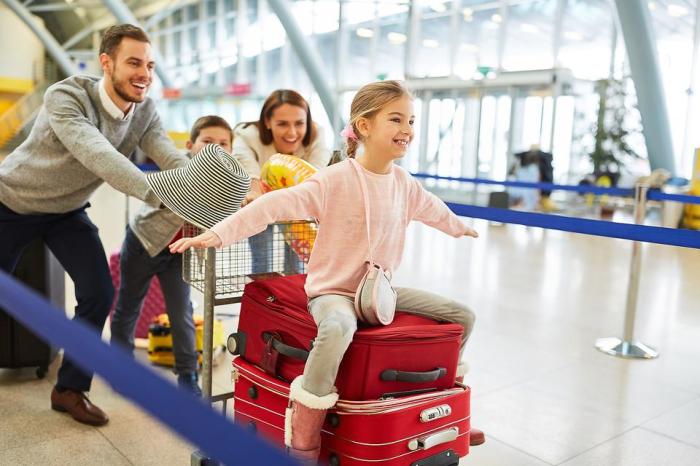
Planning a flight with children requires careful consideration to ensure a smooth and enjoyable experience for everyone involved. Thorough preparation can significantly reduce stress and make the journey more manageable. This section focuses on key aspects of flight planning, from ideal flight durations to packing essentials.
Ideal Flight Duration for Families with Young Children and Infants
The ideal flight duration for families with young children and infants is generally shorter rather than longer. Direct flights are always preferable to minimize disruptions and potential delays. For infants, flights under four hours are generally recommended to reduce the likelihood of discomfort and fussiness associated with prolonged periods of confinement. For toddlers and young children, flights under six hours are often more manageable.
Longer flights may necessitate additional planning and preparation to account for potential restlessness and the need for frequent breaks. Consider the child’s age and temperament when making this decision; a child who is easily distracted might tolerate a longer flight more easily than a child who requires more consistent attention.
Strategies for Choosing Seats to Maximize Comfort and Space for Families
Selecting appropriate seating is crucial for family comfort during air travel. Booking aisle seats offers easier access to the restroom and allows for more movement. Consider booking bulkhead seats for extra legroom, particularly beneficial for families with infants needing more space for a bassinet or for older children needing to stretch out. If traveling with an infant, contacting the airline in advance to request a bassinet is essential, as they are available on a first-come, first-served basis.
Many airlines offer family seating options, grouping seats together to allow families to sit together. Checking the airline’s seating chart online before booking can help visualize seat arrangements and plan accordingly.
Selecting Appropriate Baggage Allowances for Children’s Needs
Airlines typically offer a reduced baggage allowance for infants and young children, often allowing one carry-on bag and a checked bag. However, policies vary depending on the airline and the child’s age. Carefully review the airline’s baggage policy before your trip to avoid unexpected fees. Packing light is advisable, focusing on essential items and using packing cubes to maximize space.
Remember to factor in the weight of diapers, wipes, and other necessities for infants and toddlers. If your child requires special equipment like a stroller or car seat, check the airline’s policy on these items; many airlines allow these items to be checked in free of charge.
Essential Items Checklist for Children During Air Travel
A well-prepared checklist is invaluable for smooth air travel with children. Essentials include: diapers (plenty!), wipes, changing mat, baby food or snacks appropriate for the child’s age and dietary needs, several changes of clothing (accidents happen!), favorite toys or books to keep them entertained, a comfort item (blanket, stuffed animal), medication (if needed), hand sanitizer, and a reusable water bottle.
For older children, consider bringing electronic devices loaded with movies, games, or books. Don’t forget essential documents like passports and boarding passes. Packing a small first-aid kit with band-aids, antiseptic wipes, and pain relievers is also recommended.
In-Flight Entertainment and Activities
Keeping children entertained during long flights is crucial for a smooth and enjoyable travel experience for the whole family. A well-planned approach, incorporating a variety of activities and mindful screen time management, can transform a potentially stressful journey into a fun adventure. This section Artikels strategies and ideas to achieve this.
Creative Entertainment Ideas for Long Flights, Flying with kids
Engaging children in various activities during a flight can prevent boredom and restlessness. Consider the child’s age and interests when selecting activities. For younger children, simple, hands-on activities are ideal, while older children might appreciate more complex games or creative projects. A mix of quiet and active activities is also beneficial.
Designing a Printable Activity Pack for Children
Creating a personalized activity pack tailored to different age groups is a proactive way to ensure children remain occupied throughout the flight. This pack can include coloring books, age-appropriate workbooks, stickers, small toys, and puzzles. For toddlers (ages 1-3), focus on simple, large-piece puzzles, chunky crayons, and board books with bright pictures. Preschoolers (ages 3-5) might enjoy sticker books, simple mazes, and coloring pages with larger spaces.
For elementary school children (ages 6-12), consider travel-sized board games, word searches, or drawing prompts. Remember to pack these items in a lightweight, easily accessible bag.
Managing Children’s Screen Time Effectively During a Flight
While screen time can be a valuable tool for keeping children occupied, it’s important to manage it responsibly. Pre-download movies, shows, and games onto tablets or smartphones to avoid relying on in-flight Wi-Fi, which can be unreliable or expensive. Set time limits for screen use, interspersed with offline activities. Consider using parental control apps to monitor and limit screen time.
Encourage children to take breaks from screens to look out the window, read a book, or engage in other activities.
Strategies for Dealing with Children’s Boredom and Restlessness on a Plane
Boredom and restlessness are common occurrences during long flights, especially for children. Having a variety of activities readily available helps mitigate these issues. However, even with preparation, children might still become restless. Strategies include engaging them in conversation, playing simple games like “I Spy” or “20 Questions,” reading aloud together, or encouraging them to stretch and move around (within the confines of the plane’s seating).
A small, quiet toy or a comfort item can also be soothing during moments of frustration. Remember to be patient and understanding, as air travel can be challenging for children.
Managing Children’s Behavior on the Plane
Flying with children can be challenging, particularly when unexpected behavior arises. Proactive planning and a calm, consistent approach are key to navigating potential disruptions and ensuring a smoother journey for everyone involved. This section Artikels strategies for handling various behavioral scenarios, from minor meltdowns to managing anxieties.
Handling Meltdowns and Disruptive Behavior
Unexpected emotional outbursts are a possibility when traveling with children. Preparation is crucial. Having a well-stocked “calming kit” containing familiar comfort items, like a favorite book or small toy, can be invaluable. A pre-emptive strategy is also beneficial; discussing flight expectations with children beforehand, including potential boredom and the need for cooperation, can significantly reduce the likelihood of disruptive behavior.
During a meltdown, try to remain calm and reassuring. Offer a quiet space if possible, or engage in distraction techniques such as singing songs or playing simple games. Positive reinforcement, such as praise for good behavior, is far more effective than punishment. If the behavior significantly impacts other passengers, discreetly engaging with a flight attendant for assistance is acceptable.
Managing Children’s Eating and Drinking Habits
Maintaining a regular eating and drinking schedule can help prevent mood swings and discomfort. Pack familiar snacks and drinks to minimize reliance on potentially expensive or less healthy airplane options. Avoid sugary snacks and drinks, which can lead to energy crashes and increased irritability. Opt for healthier alternatives such as fruits, vegetables, and whole-grain crackers. Remember to account for changes in air pressure which may affect children’s appetites and thirst.
Encourage regular water intake throughout the flight to combat dehydration.
Calming Anxious or Scared Children During Takeoff and Landing
Takeoff and landing can be particularly stressful for young children. Explain the process in simple terms beforehand, using age-appropriate language. Reading books or watching videos about flying can also help familiarize children with the experience. During takeoff and landing, engage in distraction techniques such as reading a story, singing songs, or playing quiet games. Allowing children to suck on a pacifier or bottle (if age-appropriate) can help equalize ear pressure and provide comfort.
A comforting item, such as a favorite blanket or stuffed animal, can also provide a sense of security. If your child remains anxious, speaking to a flight attendant for assistance may be beneficial.
Keeping Children Safe and Secure Throughout the Flight
Child safety is paramount. Ensure seatbelts are properly fastened at all times during takeoff, landing, and periods of turbulence. Keep smaller items securely stored to prevent them from becoming choking hazards. Teach children basic safety rules, such as staying seated and not touching the emergency exits. Supervising children closely, particularly in restrooms, is essential.
Consider purchasing a child-sized travel harness for added security, especially for younger children. Familiarize yourself with the safety features of the aircraft and the location of emergency exits.
Airport Navigation and Procedures
Navigating airports with children can be challenging, but with careful planning and preparation, the experience can be significantly smoother. This section provides a step-by-step guide to help you manage airport procedures efficiently and minimize stress for both you and your children.
Efficient Airport Navigation with Children
Effective airport navigation requires a proactive approach. Pre-trip preparation is key to minimizing stress and maximizing efficiency. This involves familiarizing yourself with the airport layout using online maps, identifying the location of your gate, and planning your route to account for potential delays. Consider using a stroller or carrier, depending on your children’s ages and abilities. Packing light, utilizing a well-organized carry-on bag, and having snacks and drinks readily available will contribute to a more relaxed journey.
Remember to allow ample time for unexpected delays.
Managing Security Checkpoints Smoothly
Security checkpoints can be stressful, especially with children. To streamline this process, pre-pack liquids in TSA-approved containers and easily accessible locations within your carry-on luggage. Remove shoes, belts, and jackets before reaching the checkpoint to save time. Keep children calm and focused by engaging them in quiet activities or games while waiting in line. If you are traveling with a stroller, many airports offer stroller check-in services near the gate, allowing you to navigate the airport more efficiently.
Collaborate with TSA agents; they are usually understanding and willing to assist families.
Dealing with Airport Delays or Unexpected Situations
Delays are an unfortunate reality of air travel. Having a backup plan for unexpected situations is essential. This might include having alternative entertainment options for the children, such as extra books, games, or downloaded movies. It’s also wise to have extra snacks and drinks on hand. If a significant delay occurs, consider contacting your airline for assistance and information about potential rebooking options.
Remember to remain calm and reassuring to your children, explaining the situation in age-appropriate terms. Maintaining a positive attitude will help alleviate stress for everyone.
Ensuring Children’s Safety and Supervision
Maintaining constant supervision of children in the bustling airport environment is paramount. Designate a meeting point in case you get separated, and ensure all family members understand this plan. Keep children close to you at all times, particularly near escalators, moving walkways, and baggage carousels. Avoid letting children wander off unattended, even for a short period. Utilize child safety harnesses or leashes if necessary, especially in crowded areas.
Remember that airport staff are generally helpful and can assist if you need assistance.
Flight Deals and Hacks
Planning a family vacation often revolves around securing affordable airfare. The cost of flights can significantly impact your budget, so employing effective strategies to find the best deals is crucial. This section explores various methods and resources for securing affordable family flights.
Best Websites and Apps for Finding Affordable Family Flight Deals
Several websites and apps specialize in aggregating flight information from various airlines, allowing users to compare prices and find the best deals. These platforms often incorporate features beneficial to families, such as filtering options for multi-passenger bookings and flexible date searches. Examples include Google Flights, Skyscanner, Kayak, and Momondo. These tools utilize sophisticated algorithms to analyze flight data and identify potential savings.
Each platform offers unique features; for example, Google Flights’ price tracking feature notifies users of price fluctuations, enabling them to book when fares are lowest. Skyscanner allows for flexible date searches, showing the cheapest days to fly within a given month or even year. Kayak and Momondo provide comprehensive comparisons across numerous airlines and travel agencies.
Comparison of Airline Family Travel Programs and Their Benefits
Many airlines offer family travel programs providing perks such as discounted fares, priority boarding, extra baggage allowances, or dedicated family seating. These programs often require membership or enrollment, sometimes involving loyalty points or frequent flyer miles. The benefits vary significantly between airlines; some may offer substantial savings for larger families, while others might provide more modest discounts. For instance, some airlines might offer a percentage discount on child fares, while others might provide bundled packages including checked baggage and in-flight meals.
Comparing these programs based on your family’s specific needs and travel patterns is crucial to determine which offers the most value. A thorough review of each airline’s program details is recommended before booking.
Tips and Tricks for Saving Money on Flights for Families
Securing affordable family flights often involves employing strategic booking techniques and exploiting opportunities for cost savings. Booking flights well in advance can sometimes lead to lower fares, though this isn’t always guaranteed. Conversely, booking flights during off-peak seasons or on less popular days of the week may also yield savings. Consider flying to smaller airports near your destination, as they may offer lower fares than major international hubs.
Being flexible with your travel dates and times can dramatically reduce costs. Exploring budget airlines can also be a cost-effective option, though it’s important to carefully consider baggage fees and other potential extra charges. Using price comparison websites, as discussed earlier, remains a vital tool in finding the most affordable options. Finally, consider bundling your flights with hotels or rental cars for potential package discounts.
Using Flexible Travel Dates to Find Cheaper Flights
Flexibility in travel dates is often the key to unlocking significant savings on airfare. Instead of targeting specific dates, consider expanding your search window to encompass a wider range of travel days. Most flight search engines allow you to specify a range of dates, showing price variations across the period. This approach helps identify the cheapest days to fly within your desired timeframe.
For example, flying mid-week (Tuesday or Wednesday) is often cheaper than flying on weekends. Similarly, flying during the shoulder seasons (periods just before or after peak tourist seasons) usually results in lower fares compared to peak travel times. Experimenting with different date combinations within your flexible window can uncover surprising savings. The ability to shift your travel dates by even a few days can lead to significant cost reductions.
Train Travel Guides
Train travel offers a unique and often overlooked alternative to air travel, especially for families. The slower pace allows for a more relaxed journey, offering opportunities for sightseeing and bonding that are simply not possible on a plane. This guide explores the advantages and disadvantages of train travel with children, providing practical tips and suggestions to help you plan a memorable family trip.
Sample Family Train Trip Itinerary
This itinerary focuses on a three-day trip from Chicago to New Orleans, a route known for its scenic beauty and cultural richness. Adjustments can be easily made to suit other routes and durations.Day 1: Depart Chicago in the morning. Pack snacks and activities to keep children entertained during the journey. Enjoy the changing landscapes as you travel southward.
Arrive in Memphis in the evening, checking into a family-friendly hotel near Beale Street.Day 2: Explore Memphis! Visit Graceland, the iconic home of Elvis Presley, and enjoy some delicious barbecue. In the afternoon, take a stroll along the Mississippi River. In the evening, enjoy live music on Beale Street before boarding the train to New Orleans.Day 3: Arrive in New Orleans in the morning.
Spend the day exploring the French Quarter, enjoying the unique architecture, street performers, and vibrant atmosphere. Take a horse-drawn carriage ride or a swamp tour. Depart from New Orleans in the late afternoon or evening.
Advantages and Disadvantages of Train Travel versus Air Travel with Children
Train travel presents several advantages over air travel when traveling with children. The most significant is the increased space and freedom of movement. Children can walk around, stretch their legs, and explore the train car, reducing the restlessness often associated with confined air travel. The ability to bring more luggage is another plus, eliminating the need to carefully weigh and pack.
Additionally, train journeys often offer scenic views, transforming the travel time itself into an enjoyable experience.However, train travel is not without its disadvantages. Train journeys typically take longer than flights, potentially leading to boredom or restlessness in children. The lack of in-flight entertainment options might require more planning and preparation. Furthermore, train schedules are less flexible than flights, and potential delays can significantly impact your travel plans.
The cost of train travel can also be higher than air travel, depending on the route and class of service.
Family-Friendly Train Routes and Destinations
The Amtrak Coast Starlight route along the Pacific Coast is renowned for its stunning scenery, offering breathtaking views of the ocean and mountains. The route from Chicago to Seattle is another excellent choice, showcasing the diverse landscapes of the American Midwest and Northwest. For shorter trips, consider routes such as the Amtrak Empire Builder, traversing the northern United States, or the Southwest Chief, offering glimpses of the American Southwest.
Destinations like Washington D.C., New York City, and national parks along these routes offer plenty of child-friendly activities and attractions.
Essential Items to Pack for a Family Train Journey
Packing strategically is crucial for a smooth train journey. Consider packing a dedicated “entertainment bag” filled with books, coloring books, crayons, travel games, and electronic devices loaded with movies and games. Snacks and drinks are also essential, especially if you have picky eaters. Comfortable clothing and layers are important, as train temperatures can fluctuate. A first-aid kit, including any necessary medications, is a must-have.
Don’t forget essentials like chargers, headphones, and a travel pillow for comfortable sleeping. Finally, bring along a reusable water bottle to stay hydrated throughout the journey. Remember to pack any necessary travel documents and tickets as well.
Cruise Ship Reviews (Focus on Family Aspects)
Choosing a cruise for a family vacation requires careful consideration of various factors beyond just the destination. The ship itself, its amenities, and the overall experience play a crucial role in creating memorable (or regrettable!) family memories. This section will delve into the nuances of family-friendly cruising, comparing different cruise lines and highlighting key aspects to help you make an informed decision.
Comparing Family-Friendly Cruise Line Amenities
Different cruise lines cater to families with varying degrees of enthusiasm. Disney Cruise Line, for example, is renowned for its immersive Disney-themed experiences, character meet-and-greets, and dedicated kids’ clubs. Royal Caribbean International offers a wider range of activities, including water parks and ice-skating rinks, appealing to a broader age range. Carnival Cruise Line often presents a more affordable option with family-friendly activities and entertainment.
Cruises like Princess and Norwegian offer a middle ground, balancing family-oriented amenities with options for adults. The best choice depends on your family’s preferences and budget. For instance, a family with very young children might prefer Disney’s more structured and age-appropriate programming, while a family with teenagers might find Royal Caribbean’s diverse activities more appealing.
Family-Friendly Cruise Ship Experiences and Reviews
Many families rave about the Disney Cruise Line’s dedication to creating a magical experience. The dedicated kids’ clubs, age-appropriate programming, and character interactions are consistently praised. Conversely, some find the price point significantly higher than other lines. Royal Caribbean’s larger ships are often described as having something for everyone, but can feel overwhelming at times. The numerous activities and dining options can be a boon or a burden, depending on your family’s preference for structure and organization.
Carnival, known for its lively atmosphere, may be ideal for families seeking a more relaxed and less formal cruise experience, although some find the atmosphere too boisterous for younger children. It’s crucial to read multiple reviews from various sources to gain a well-rounded perspective before booking.
Best Cruise Itineraries for Families with Young Children
Shorter cruises (3-5 days) are generally preferable for families with young children, minimizing the potential for cabin fever and travel fatigue. The Caribbean is a popular choice, offering warm weather, beautiful beaches, and relatively calm seas. Bahamas cruises are particularly suitable due to their proximity to the US and often include age-appropriate shore excursions. Alaska cruises can be amazing, but the longer duration and potentially cooler weather might not be ideal for all young children.
Mediterranean cruises can also be a great choice, but the travel time to Europe should be factored in. The best itinerary ultimately depends on your family’s tolerance for travel and preferred climate.
Costs Associated with a Family Cruise, Including Potential Hidden Fees
The initial cruise fare is only one component of the total cost. Expect additional expenses like gratuities (tips for staff), shore excursions, drinks (alcoholic and non-alcoholic beverages are often extra), specialty dining, onboard activities, and Wi-Fi access. These “hidden” fees can significantly inflate the final cost. For example, a family of four might find that daily beverage costs alone can easily add hundreds of dollars to their total expenditure.
Budgeting carefully and considering purchasing drink packages or all-inclusive options can help mitigate some of these costs. Always thoroughly review the cruise line’s pricing structure before booking to avoid unexpected surprises.
Road Trip Guides (Family Focused)
Embarking on a family road trip can be an incredibly rewarding experience, creating lasting memories and strengthening family bonds. However, careful planning and preparation are key to ensuring a smooth and enjoyable journey for everyone involved, especially with children of varying ages and needs. This guide offers practical advice and suggestions to help families navigate the challenges and maximize the fun of a road trip.
Sample Family Road Trip Itinerary: A Coastal Adventure
This itinerary focuses on a coastal route, adaptable to various locations. The key is incorporating a mix of driving time and engaging activities to keep everyone happy. Consider the ages of your children when selecting activities and adjusting the pace.
Day 1: Begin with a shorter driving leg (approximately 2-3 hours), arriving at a beach town. Settle into your accommodation and spend the afternoon building sandcastles, swimming, or exploring tide pools. Enjoy a relaxed evening meal at a local seafood restaurant.
Day 2: Visit a local aquarium or marine park. In the afternoon, enjoy a scenic walk along the coastline or participate in a family-friendly activity like kayaking or paddleboarding.
Day 3: Drive to a nearby national park or state park with hiking trails suitable for families. Pack a picnic lunch to enjoy amidst nature. In the evening, stargaze if the weather permits.
Day 4: Visit a historical site or museum tailored to children’s interests. This could be a maritime museum, a lighthouse, or a children’s museum, depending on your location. Allow for flexible downtime in the afternoon.
Day 5: Begin your return journey, breaking it up with shorter driving segments and planned stops at interesting roadside attractions or playgrounds.
Tips for an Enjoyable Family Road Trip
Careful planning significantly impacts the overall experience. Pre-trip preparation reduces stress and enhances the enjoyment for everyone.
Before you leave, ensure your vehicle is properly serviced, and pack essential items such as snacks, drinks, first-aid supplies, entertainment, and comfortable travel pillows. Involve children in the planning process by letting them choose some activities or destinations to foster a sense of ownership and excitement.
Break up long drives with frequent stops to stretch legs, use restrooms, and allow children to run around. Pre-determine rest stops and plan for meals and snacks to avoid unexpected delays or meltdowns. Remember to build in flexibility to account for unexpected circumstances.
Keeping Children Entertained During Long Car Rides
Maintaining children’s engagement during long drives requires a multifaceted approach. Variety is key.
Create a road trip activity bag filled with books, coloring books, crayons, travel games, and small toys. Audiobooks, podcasts, and children’s music can provide hours of entertainment. Consider downloading educational apps or games suitable for different age groups. Engage children in car games like “I Spy” or license plate bingo to keep them focused and entertained. Encourage family singalongs or storytelling sessions to create shared experiences.
Managing Car Sickness and Other Common Travel Ailments
Proactive measures are crucial for mitigating common travel issues.
For car sickness, suggest children sit in the front seat if possible, avoid strong smells, and ensure adequate ventilation. Pack motion sickness medication as a precaution, following the instructions carefully. Frequent stops for fresh air and breaks can also help. For other ailments, pack a well-stocked first-aid kit including pain relievers, antiseptic wipes, and any necessary prescription medications.
Consult your pediatrician before the trip to address any specific health concerns or allergies.
Budget Accommodation Tips (Family Travel)
Finding affordable yet comfortable accommodation is crucial for families traveling on a budget. The right choice can significantly impact the overall trip experience, allowing for more funds to be allocated towards activities and creating lasting memories without breaking the bank. This section explores various budget-friendly options and provides practical tips to secure the best deals.
Affordable Accommodation Options for Families
Families on a budget have a range of accommodation choices beyond expensive hotels. Consider these options based on your family’s size, travel style, and priorities. Hostels, while often associated with solo backpackers, increasingly offer family rooms, providing a social and budget-friendly option. Motels offer a more private and often more spacious alternative, typically featuring individual rooms with basic amenities.
Vacation rentals, such as apartments or houses rented through platforms like Airbnb, can be cost-effective, especially for larger families, providing kitchen facilities for self-catering. Camping or glamping provides an immersive nature experience, typically at a significantly lower cost. Finally, consider budget-friendly chains like budget hotels, which often offer family packages and discounts.
Comparing Hostels and Motels
Hostels and motels represent different ends of the budget accommodation spectrum. Hostels generally offer shared facilities like bathrooms and kitchens, promoting interaction but potentially sacrificing privacy. They are typically significantly cheaper than motels. Motels, on the other hand, provide private rooms and bathrooms, offering greater privacy and convenience. They tend to be more expensive than hostels but offer more comfort and amenities.
The best choice depends on family preferences and priorities: prioritizing social interaction and extreme budget constraints might favor hostels, while valuing privacy and convenience might lead to choosing a motel.
Finding Discounts and Deals on Family Accommodation
Securing affordable family accommodation often involves proactive searching and strategic booking. Websites specializing in travel deals, such as Expedia, Booking.com, and Kayak, allow for price comparisons across different platforms. Consider booking well in advance, particularly during peak seasons, as early bird discounts are often available. Look for family packages or discounts offered directly by hotels or vacation rental providers.
Travel during the shoulder seasons (periods before and after peak seasons) to benefit from lower prices and fewer crowds. Utilize loyalty programs or credit card rewards that offer travel perks or discounts on accommodations. Consider using coupon websites or apps that might provide further savings.
Essential Amenities Checklist for Budget-Friendly Family Accommodation
Before booking, prioritize essential amenities to ensure a comfortable stay. A clean and safe environment is paramount. Consider the number of beds required for the family, ensuring adequate sleeping space for everyone. Access to a kitchen or kitchenette can significantly reduce food costs by allowing for self-catering. Wi-Fi access is increasingly essential for communication and entertainment, particularly for families with older children.
A laundry facility can be a huge benefit for longer trips, reducing the need to pack excessive clothing. The proximity to family-friendly attractions or public transport can enhance the overall trip experience. Finally, ensure adequate storage space for luggage and personal belongings.
Vacation Rentals and Airbnb (Family Considerations)
Choosing the right accommodation is crucial for a successful family vacation. Vacation rentals, particularly through platforms like Airbnb, offer a compelling alternative to traditional hotels, providing more space and often a more home-like atmosphere. However, it’s important to weigh the advantages and disadvantages carefully before making a booking.Vacation rentals offer several benefits for families. Larger properties provide ample space for everyone to spread out, often including multiple bedrooms and bathrooms, eliminating the cramped feeling of a hotel room.
Kitchens allow for cost savings by preparing some meals, catering to dietary needs, and avoiding the limited options of hotel dining. Many rentals also boast family-friendly amenities like laundry facilities, outdoor spaces, and even private pools, enhancing the overall vacation experience. The increased privacy and flexibility offered by vacation rentals can also significantly reduce stress levels during family travel.
Advantages and Disadvantages of Vacation Rentals for Families
Vacation rentals provide families with greater space and privacy compared to hotels. Families can enjoy the convenience of a fully equipped kitchen, saving money on dining out and allowing for the preparation of familiar meals. Many rentals include amenities specifically geared towards families, such as cribs, high chairs, and children’s toys. However, potential drawbacks include the lack of hotel services such as daily housekeeping and room service.
The responsibility for maintenance and cleanliness falls on the renter, and unforeseen issues can arise, requiring direct communication with the property owner or manager. Location can also be a factor, with rentals potentially situated further from attractions than hotels, necessitating more transportation planning. Finally, verifying the legitimacy and safety of the rental property is crucial to ensure a positive experience.
Essential Questions to Ask When Booking a Family Vacation Rental
Before confirming a booking, it is crucial to gather all necessary information to ensure a smooth and comfortable stay. Asking the right questions can prevent unexpected issues and disappointments. A comprehensive approach to inquiry guarantees peace of mind and a pleasant family vacation.
- What is the property’s exact location and proximity to key attractions?
- Are there any safety features in place, such as smoke detectors, carbon monoxide detectors, and security systems?
- What amenities are included, such as cribs, high chairs, strollers, and children’s toys?
- What is the cancellation policy and what are the terms regarding refunds or changes?
- What is the process for check-in and check-out, and are there any associated fees?
- Are there any restrictions on pets or the number of guests allowed?
- What are the rules regarding noise levels and gatherings?
- What is the property owner or manager’s contact information, and how responsive are they to inquiries?
- Are there any additional fees or charges, such as cleaning fees or security deposits?
- What is the process for reporting maintenance issues or emergencies during the stay?
Finding Family-Friendly Vacation Rentals with Essential Amenities
Locating a vacation rental that caters specifically to the needs of families requires a targeted search strategy. Utilizing specific s and filters when searching online platforms significantly increases the chances of finding the perfect fit.
Websites like Airbnb and VRBO allow for filtering searches based on amenities such as cribs, high chairs, and children’s play areas. Reading reviews from previous guests who have traveled with children can offer valuable insights into the suitability of a property for families. Many listings include photographs showcasing the amenities available, providing a visual confirmation of the features offered.
Contacting the property owner or manager directly to inquire about specific family-friendly amenities is also advisable. For example, you could ask if they have a pack-n-play available or if they can provide a child-safe outlet cover.
Identifying Safe and Reputable Vacation Rental Properties
Ensuring the safety and legitimacy of a vacation rental is paramount for a worry-free family trip. Thorough research and due diligence are essential steps in protecting both the family and their investment.
Check online reviews from multiple sources to gauge the property’s reputation. Verify the property owner or manager’s identity and contact information. Look for properties with clear and detailed descriptions, including high-quality photographs. Ensure the rental agreement clearly Artikels the terms and conditions of the stay, including cancellation policies and payment methods. Consider using a secure payment platform offered by the booking website to protect against fraudulent transactions.
For example, Airbnb offers a secure payment system that protects both the renter and the host.
Hotel Reviews and Tips (Family Focus)
Choosing the right hotel can make or break a family vacation. Finding a place that caters to the needs of children, while also offering a comfortable stay for parents, requires careful consideration. This section provides reviews of family-friendly hotels and tips to help you make an informed decision.
Family-Friendly Hotel Chain Comparisons
Several hotel chains are known for their family-oriented programs and amenities. Marriott, for example, often offers connecting rooms, kids’ clubs, and family-friendly pools. Hilton hotels frequently provide cribs and high chairs upon request, and some locations feature dedicated kids’ areas. Hyatt hotels sometimes have family suites with separate sleeping areas, providing more privacy for parents. Comparing these chains reveals differences in their approaches to family accommodation, ranging from basic amenities to more comprehensive programs.
Consider factors like the specific location’s amenities, pricing, and proximity to attractions when comparing chains. A hotel’s online reviews are also valuable for insights into the actual family experience.
Key Features and Amenities of Family-Friendly Hotels
Family-friendly hotels typically offer a range of amenities designed to enhance the experience for both parents and children. These often include spacious rooms or suites with extra beds or pull-out sofas, cribs and high chairs readily available, kids’ clubs or play areas providing supervised activities, kid-friendly dining options (with high chairs and children’s menus), and family-friendly pools or water parks.
Some hotels even provide babysitting services, allowing parents some time to relax or explore. The availability of these features varies considerably between hotels and chains. Checking reviews and hotel websites carefully is crucial to ensure these amenities are actually available and meet your expectations.
Tips for Choosing a Family-Friendly Hotel
Selecting the right hotel requires a thorough assessment of your family’s needs and preferences. Location is paramount; proximity to attractions, transportation, and restaurants can significantly impact your trip. Read online reviews, paying close attention to comments from other families. Consider the hotel’s safety features, including security measures and childproofing in rooms. Look for hotels that offer convenient amenities like laundry facilities, microwaves, and refrigerators.
Finally, examine the hotel’s cancellation policy to ensure flexibility in case of unexpected changes. For example, a hotel with a flexible cancellation policy is especially valuable for families travelling with young children who might be prone to illness.
Requesting Specific Amenities for Children
When booking a hotel room, don’t hesitate to request specific amenities for children. Clearly state your requirements, such as a crib, high chair, connecting rooms, or early check-in/late check-out. Many hotels are happy to accommodate these requests, but it’s best to make them well in advance. Confirming the availability of these amenities upon booking, and again a few days before your arrival, helps ensure everything is ready for your children’s arrival.
Keep a record of your requests and confirmations for future reference. For instance, keeping a copy of your email confirmation showing your crib request can be helpful in case of any discrepancies upon arrival.
RV and Camper Travel (Family-Oriented)
RV and camper travel offers a unique family vacation experience, blending the freedom of the open road with the comforts of home. However, it’s crucial to weigh the advantages and disadvantages before embarking on this adventure to ensure a smooth and enjoyable trip for everyone. This approach allows for flexibility and spontaneity, creating lasting memories for the whole family.RV and camper travel presents a compelling alternative to traditional vacations, allowing families to explore at their own pace and experience destinations more intimately.
However, it also requires careful planning and preparation to mitigate potential challenges.
Advantages and Disadvantages of RV and Camper Travel with Children
RV and camper travel provides numerous benefits for families, including the ability to customize itineraries, enjoy cost savings on accommodation, and create memorable experiences. However, challenges such as limited space, potential mechanical issues, and the need for careful planning must also be considered. Weighing these factors carefully helps families make informed decisions.
- Advantages: Increased flexibility and spontaneity in travel plans, cost savings on accommodation, opportunities for bonding and shared experiences, exposure to diverse landscapes and cultures, ability to bring along all the family’s necessities and comforts.
- Disadvantages: Limited space and potential for cramped living conditions, potential for mechanical breakdowns and maintenance issues, need for careful planning and organization, potential for weather-related delays or disruptions, less access to amenities compared to traditional hotels.
Essential Items for an RV or Camper Trip with a Family
Packing efficiently is crucial for a successful RV trip with children. A well-organized packing list ensures everyone has what they need without overwhelming the limited space. Overpacking can lead to discomfort and frustration, while forgetting essentials can disrupt the entire trip.
- Clothing: Pack versatile clothing items suitable for various weather conditions and activities. Include layers for fluctuating temperatures and quick-drying materials for unexpected spills or outdoor adventures.
- Toiletries and First-Aid Kit: Pack enough toiletries for the duration of the trip, plus extra for unexpected needs. A well-stocked first-aid kit is essential for minor injuries and ailments. Include any necessary prescription medications.
- Food and Drinks: Planning meals in advance can save time and money. Pack non-perishable items, snacks, and drinks, especially for children. Consider a cooler for perishable items.
- Entertainment and Activities: Pack books, games, tablets, and other entertainment options to keep children occupied during travel and downtime. Include age-appropriate activities to prevent boredom.
- Sleeping Arrangements: Ensure everyone has comfortable sleeping arrangements. This might involve inflatable mattresses, sleeping bags, or other bedding depending on the RV’s configuration.
- Safety Items: Include items like flashlights, a first-aid kit, fire extinguisher, and any necessary car seats or booster seats.
Planning an RV or Camper Trip with Children: Route Planning and Campsite Selection
Careful planning is key to a successful RV trip with children. Route planning and campsite selection directly impact the enjoyment and safety of the journey. Failing to plan adequately can lead to unexpected delays, stress, and discomfort.
Route Planning: Plan a route that incorporates shorter driving days, especially with young children. Incorporate planned stops for sightseeing, rest, and meals. Research rest areas and kid-friendly attractions along the way. Consider the age and interests of the children when selecting destinations and activities.
Campsite Selection: Choose campsites that offer amenities suited to your family’s needs. Consider factors such as proximity to attractions, availability of restrooms and showers, and kid-friendly facilities like playgrounds or swimming pools. Read reviews and make reservations in advance, particularly during peak seasons.
Managing Space and Organization in an RV or Camper with a Family
Efficient space management is paramount in an RV or camper, especially when traveling with children. Careful organization prevents clutter and ensures everyone has easy access to their belongings. Lack of organization can lead to frustration and arguments.
- Designated Storage Areas: Assign specific storage areas for each family member’s belongings. Use labeled bins, containers, and shelves to keep items organized and easily accessible.
- Vertical Space: Maximize vertical space by using shelves, hanging organizers, and overhead storage. This helps keep the floor space clear and prevents tripping hazards.
- Multi-Purpose Items: Opt for multi-purpose items to save space. For example, a travel cot that doubles as a playpen or a portable high chair.
- Regular Decluttering: Regularly declutter to prevent the accumulation of unnecessary items. Dispose of trash and unused items promptly.
Unique Stays and Treehouses (Family-Friendly Options)
Stepping away from the typical hotel experience offers families the chance to create truly unforgettable memories. Unique accommodations, such as treehouses and cabins, provide a chance to connect with nature and enjoy a different kind of vacation adventure, fostering a sense of wonder and excitement for both parents and children. This exploration will delve into the world of family-friendly unique stays, offering insights into finding, booking, and understanding the costs involved.
Types of Family-Friendly Unique Accommodations
Beyond the classic image of a rustic cabin, a wide array of unique and family-friendly accommodations exist. These range from modern, luxurious treehouses with all the amenities of a high-end hotel to charming, secluded cabins nestled in forests or near lakes. Some offer adventurous features like zip lines or climbing walls, while others prioritize relaxation and quiet time amidst breathtaking scenery.
Consider yurts, which offer a blend of traditional nomadic living with modern comforts, or even converted barns, providing spacious and unique settings for families. Each option offers a distinct character and level of comfort, catering to diverse family preferences and budgets.
Reviews and Family Experiences in Unique Accommodations
Many families share their experiences online, providing valuable insights into the realities of staying in unique accommodations. Reviews often highlight the positive aspects, such as the novelty of the experience, the opportunity for quality family time in a beautiful setting, and the unique amenities offered. For example, one family raved about a treehouse stay in Costa Rica, emphasizing the breathtaking jungle views and the thrilling experience of waking up to the sounds of howler monkeys.
Conversely, some reviews mention potential drawbacks, such as limited accessibility, the need for more robust insect protection in certain locations, or the lack of certain amenities found in traditional hotels. These reviews offer a balanced perspective, helping families make informed decisions.
Tips for Finding and Booking Unique Family Accommodations
Finding the perfect unique stay begins with identifying your family’s priorities. Consider the desired location, the level of luxury or rusticity, and the specific amenities you need. Websites specializing in unique accommodations, such as Airbnb, VRBO, and Glamping Hub, are excellent starting points. These platforms allow you to filter your search by location, type of accommodation, amenities, and price range.
Reading reviews carefully is crucial, paying close attention to comments about family-friendliness, cleanliness, and safety features. Booking well in advance, especially during peak seasons, is recommended to secure your preferred dates and accommodation.
Cost Comparison: Unique Stays vs. Traditional Hotels
The cost of unique accommodations can vary significantly depending on the type of accommodation, location, and amenities offered. Generally, unique stays, particularly treehouses and luxury cabins, tend to be more expensive than traditional hotels, sometimes considerably so. However, the added value of a unique experience and the potential for creating lasting family memories can justify the higher cost for some families.
For example, a family of four might spend significantly more on a week-long stay in a luxury treehouse than on a comparable hotel stay, but they would gain a unique and memorable experience not readily available in a typical hotel setting. Budget-conscious families can still find affordable options by opting for simpler cabins or yurts in less popular locations or during the off-season.
Houseboat and Yacht Stays (Family Considerations)
Choosing a houseboat or yacht vacation offers a unique and memorable family experience, blending the comforts of home with the adventure of exploring waterways. However, careful planning and consideration are crucial to ensure a smooth and enjoyable trip for everyone involved, especially with children of varying ages. This section will explore the key aspects of planning such a vacation, focusing on the differences between houseboats and yachts and the specific needs of families.
Houseboat versus Yacht Stays for Families
Houseboats generally provide more space and often feature amenities like full kitchens and multiple bedrooms, making them ideal for larger families or those who prefer a more self-sufficient vacation. Yachts, on the other hand, typically offer a more luxurious and streamlined experience, but often with less living space and potentially fewer amenities. For families with young children, the extra space and kitchen facilities of a houseboat can be invaluable, minimizing the stress of meal preparation and providing ample room for children to play.
Older children might appreciate the sleek design and potentially faster travel speeds of a yacht. The best choice depends heavily on family size, budget, and desired level of luxury versus practicality.
Safety Precautions for Houseboat and Yacht Stays with Children
Water safety is paramount. Before embarking on any trip, ensure all family members, especially children, are proficient swimmers and understand basic water safety rules. Life jackets should be readily available and worn whenever appropriate, particularly when children are near the water’s edge or on deck. Establish clear rules about staying within designated areas and avoiding unsupervised access to the water.
Additionally, ensure that all safety equipment, such as fire extinguishers and first-aid kits, is readily accessible and in good working order. For houseboats, be mindful of potential hazards associated with docks and ramps. For yachts, familiarize yourself with the vessel’s safety features and emergency procedures. Regularly check weather forecasts and adjust plans accordingly.
Essential Packing List for a Family Houseboat or Yacht Vacation
Planning ahead is key to a successful trip. A comprehensive packing list should include essentials for both on-board living and potential shore excursions. For clothing, pack layers to accommodate changing weather conditions. Include swimwear, sunscreen, hats, and insect repellent. For onboard comfort, consider bringing familiar bedding, games, and books to keep children entertained.
Don’t forget essential toiletries, medications, and first-aid supplies. For meals, pack non-perishable items and plan for fresh provisions based on the length of the trip. Remember to pack appropriate footwear for both on board and ashore activities. Finally, a waterproof bag for electronics and valuables will add an extra layer of security. Consider a dedicated cooler for perishable food items.
Ultimately, flying with children is about preparation and a positive attitude. By anticipating potential challenges and employing the strategies Artikeld in this guide, parents can significantly reduce stress and increase the likelihood of a smooth and enjoyable flight. Remember, a little planning goes a long way towards creating a memorable travel experience for the whole family. Embrace the journey, enjoy the adventure, and arrive refreshed and ready for your destination!
Answers to Common Questions: Flying With Kids
What are the best ways to calm a crying baby on a plane?
Try offering a pacifier, bottle, or breastfeed. Gentle rocking or walking can also help. White noise (like a shushing sound or downloaded app) can soothe them. If possible, try to move to a less crowded area of the plane.
How do I handle a toddler’s tantrum during a flight?
Remain calm and try distraction techniques like books, toys, or snacks. If the tantrum persists, move to a less crowded area if possible. Positive reinforcement for good behavior can be helpful. A small, pre-approved treat can sometimes help redirect the child’s focus.
What if my child gets airsick?
Choose a window seat to minimize movement. Give your child ginger ale or other remedies known to alleviate nausea. Make sure they get plenty of rest before the flight and avoid strong smells.
Can I bring baby food on a plane?
Yes, you can bring baby food and formula through security in reasonable quantities. It’s best to keep it in its original packaging to avoid any issues.