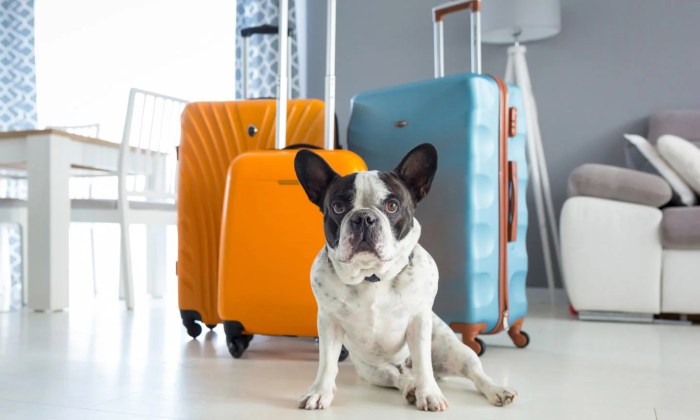
How to travel with pets is a question many pet owners ponder. Successfully navigating pet travel requires meticulous planning, from securing pet-friendly transportation and accommodations to ensuring your furry friend’s comfort and safety throughout the journey. This guide delves into the essential aspects of traveling with your beloved companion, providing practical tips and advice to make your trip a memorable and stress-free experience for both of you.
From choosing the right carrier and packing essential supplies to understanding airline and train regulations, we’ll cover everything you need to know. We’ll explore various transportation methods, discuss pet-friendly accommodation options, and suggest exciting activities you can enjoy together at your destination. We’ll even offer advice on finding budget-friendly travel options and maximizing your savings.
Planning Your Pet-Friendly Trip

Traveling with your beloved pet can be an enriching experience, but thorough planning is crucial for a smooth and enjoyable journey for both you and your furry friend. Careful consideration of various factors, from your pet’s needs to logistical arrangements, will significantly impact the success of your trip. This section Artikels essential steps to ensure a stress-free and memorable adventure together.
Essential Items Checklist for Traveling with Pets, How to travel with pets
A comprehensive checklist ensures you don’t forget vital supplies. Having everything organized beforehand minimizes stress and potential problems on the road. The following table categorizes essential items for easy packing and reference.
| Category | Item | Item | Item |
|---|---|---|---|
| Food & Water | Sufficient pet food (consider extra for delays) | Water bowls (collapsible ones save space) | Portable water bottle or dispenser |
| Health & Hygiene | Medications (with prescriptions) | First-aid kit for pets (antiseptic wipes, bandages) | Poop bags (and plenty of them!) |
| Comfort & Safety | Comfortable carrier or crate (airline-approved if flying) | Pet bed or blanket | Leash and collar/harness (with ID tags) |
| Other Essentials | Pet wipes | Toys and familiar items to reduce anxiety | Copies of vaccination records |
Detailed Travel Itinerary
A detailed itinerary is essential for managing travel time effectively and ensuring your pet’s well-being. This includes planned stops for rest, exercise, and meals. For example, a cross-country road trip might involve planned stops every 3-4 hours for bathroom breaks and short walks for your pet. Accommodation should be pre-booked, confirming pet-friendliness and any associated fees. Consider this sample itinerary for a 2-day road trip: Day 1:
7
00 AM: Depart from home.
10
00 AM: Stop for a 30-minute pet break (walk and water).
1
00 PM: Lunch stop (ensure pet-friendly location).
5
00 PM: Arrive at pet-friendly hotel, check in.
6
00 PM: Evening walk. Day 2:
8
00 AM: Morning walk and breakfast.
11
00 AM: Depart from hotel.
2
00 PM: Stop for a 45-minute pet break.
6
00 PM: Arrive home.
Pet Health Certifications and Veterinary Visits
Before traveling, a visit to your veterinarian is crucial. This ensures your pet is healthy enough for travel and allows for necessary vaccinations and health certificates. Some destinations require specific health certifications, particularly for international travel. Discuss your travel plans with your vet to understand all necessary documentation and potential health risks associated with your destination. For example, rabies vaccinations are often mandatory for international travel.
Managing Pet Anxiety During Travel
Travel can be stressful for pets. Strategies to mitigate anxiety include familiarizing your pet with the carrier well in advance of the trip, providing calming treats or pheromone diffusers, and maintaining a calm and reassuring demeanor yourself. During travel, provide frequent breaks for water, potty breaks, and short walks to relieve stress and tension. Consider using a calming aid prescribed by your veterinarian for pets with severe anxiety.
For instance, some veterinarians recommend anxiety medication for long flights or stressful travel situations.
Transportation Methods
Air travel presents unique challenges when transporting pets, requiring careful planning and adherence to specific airline regulations. Understanding these regulations and preparing your pet accordingly is crucial for a safe and stress-free journey. This section will Artikel the key steps involved in booking flights with pets and preparing your animal companion for the experience.
Airline Pet Policies and Booking Flights
Booking a flight with your pet involves several key steps. First, you must confirm your chosen airline’s pet policy. Airline websites typically provide detailed information regarding accepted animals, size and weight restrictions, crate requirements, and any associated fees. These policies vary significantly between airlines and even change over time, so checking directly with the airline before booking is essential.
Once you have confirmed that your pet meets their requirements, you should contact the airline directly to reserve space for your pet in the cargo hold or cabin (depending on the airline’s policy and your pet’s size). Remember to provide accurate details about your pet’s breed, weight, and dimensions, as this information is crucial for determining the appropriate crate size and ensuring compliance with regulations.
Booking your pet’s travel in advance is highly recommended, especially during peak travel seasons, as space for animals is often limited.
Comparison of Airline Pet Policies
Airline pet policies vary considerably. Some airlines may accept a wider range of breeds and sizes compared to others. For example, some airlines may have breed restrictions, prohibiting brachycephalic (short-nosed) breeds due to their increased risk of respiratory problems during air travel. Similarly, weight and size restrictions differ; some airlines may only accept small animals in the cabin, while others might allow larger animals in the cargo hold, subject to specific crate requirements.
Always check the airline’s website for their most up-to-date pet policy, including details on acceptable crate types, dimensions, and ventilation requirements. It’s also vital to check for any restrictions on the number of pets allowed per passenger or flight. Consider making a table to compare the policies of several airlines before making your decision.
Preparing Your Pet for Air Travel
Preparing your pet for air travel is crucial for a smooth and stress-free experience. A vital step is crate training well in advance of your flight. Your pet should be comfortable and accustomed to spending extended periods within its crate. This involves gradually introducing your pet to the crate, making it a positive and rewarding experience with treats and toys.
Ensure the crate is appropriately sized, allowing your pet to stand, turn around, and lie down comfortably. Familiarize your pet with the crate in various environments to reduce anxiety during travel. Consider using calming techniques, such as pheromone sprays or calming treats, to alleviate your pet’s stress during the journey. Consult your veterinarian regarding any necessary medications or health certificates.
A pre-flight veterinary checkup is highly recommended to ensure your pet is fit for travel.
Infographic: Safe and Comfortable In-Flight Arrangements for Pets
Imagine an infographic depicting a pet comfortably nestled in its crate within the cargo hold of an airplane. The crate is clearly labeled with the pet’s name and contact information. The infographic shows the crate being properly secured with straps, preventing movement during the flight. Another section of the infographic illustrates a smaller pet safely secured in an airline-approved carrier under the seat in the cabin.
Arrows indicate proper ventilation within the crate, and a symbol representing a water bowl within easy reach is shown. A key section highlights the importance of providing familiar items like a blanket or toy to comfort the pet. Finally, the infographic might include a temperature gauge, emphasizing the importance of maintaining a suitable temperature for the animal’s well-being.
The overall design should be clear, concise, and visually appealing, using calming colors and reassuring imagery.
Transportation Methods: Ground Travel
Ground travel, encompassing both road trips and train journeys, offers unique considerations when traveling with pets. Choosing the right method depends heavily on the distance, your pet’s temperament, and your budget. Careful planning and preparation are key to ensuring a safe and comfortable journey for both you and your furry friend.
Road Trips with Pets: Safety, Comfort, and Regular Stops
Road trips provide flexibility and control, allowing for frequent stops tailored to your pet’s needs. However, safety and comfort must be prioritized. Before embarking, ensure your pet is properly restrained using a pet car seat, harness, or crate, preventing them from becoming projectiles in case of sudden braking. Regular stops, every two to three hours, are crucial for bathroom breaks, water replenishment, and stretching.
These stops also provide opportunities to walk your pet and allow them to relieve themselves, preventing discomfort and accidents. Pack plenty of fresh water, pet food, and any necessary medications. Consider bringing familiar bedding or toys to help your pet feel more secure and comfortable during the journey. Maintaining a consistent routine, similar to their home environment, can help minimize stress and anxiety.
Driving Versus Train Travel with Pets: A Comparison
Driving offers greater flexibility and control over the journey’s pace and stops, allowing for personalized attention to your pet’s needs. However, it requires more planning and can be tiring, especially for long distances. Train travel, conversely, can be more relaxing for the owner, but offers less control over the environment and pet amenities. While train travel may be less stressful for some pets, the confined space and potential for noise and unfamiliar smells can be unsettling for others.
The availability of pet-friendly train cars also varies significantly between different railway providers and routes. The choice ultimately depends on the specific needs of both the pet and the owner, considering factors such as distance, pet temperament, and personal preferences.
Train Travel with Pets: Pet-Friendly Lines and Booking Procedures
While not all train lines accommodate pets, several offer pet-friendly options. Researching pet policies for your chosen route is paramount. Many lines require advance booking for pet travel, often with additional fees. These fees vary depending on the size and type of pet. Typically, small pets are permitted in carriers under the seat, while larger pets might require designated areas or be subject to more stringent regulations.
Always confirm the specific requirements, including size restrictions for carriers, breed restrictions, and any necessary documentation (such as vaccination records), well in advance of your travel date. Familiarize yourself with the train’s facilities and designated areas for pets to ensure a smooth journey.
Pet-Friendly Roadside Stops and Rest Areas
Planning stops in advance is crucial for a comfortable journey. Many rest areas and highway stops offer designated pet relief areas. However, not all are created equal. Some offer dedicated spaces with waste disposal bags, while others may simply be a designated grassy area.
- Rest areas with designated pet walking areas: Many state-run rest areas now provide designated areas for pets to relieve themselves.
- Pet-friendly hotels and motels along your route: Booking accommodations that welcome pets ensures a safe and comfortable overnight stay.
- Parks and green spaces near highway exits: These offer a chance for a longer walk and play session for your pet.
- Pet stores with outdoor areas: Some pet stores have outdoor areas where pets can stretch their legs and socialize.
- Local dog parks: Check online resources to find local dog parks along your route, offering safe and enclosed spaces for exercise.
Accommodation for You and Your Pet
Finding the right accommodation when traveling with your pet is crucial for a smooth and enjoyable trip. Your pet’s comfort and safety should be a top priority, alongside your own. The good news is that many options exist, each offering varying levels of pet-friendliness, amenities, and pricing. Choosing wisely will significantly impact your overall travel experience.Pet-friendly accommodations cater to the needs of both pet owners and their furry, feathered, or scaled companions.
They typically offer designated pet areas, amenities specifically for pets, and policies that accommodate pet owners’ needs. The range of options can be overwhelming, but understanding the differences between them helps you make an informed decision.
Pet-Friendly Hotels
Many hotel chains and independent hotels now welcome pets, though policies and fees vary significantly. Some offer basic pet-friendly rooms with no extra amenities, while others provide dedicated pet areas, such as designated walking spaces or even pet-sitting services. Pricing for pet-friendly rooms often includes an additional nightly fee, which can range from a few dollars to several tens of dollars depending on the hotel and the size of your pet.
Amenities may include bowls, beds, or even treats. When booking, always verify the hotel’s pet policy, including size and breed restrictions, fees, and any specific requirements. For example, a large chain hotel might charge $25 per night for a pet, while a smaller boutique hotel might charge $50 but include a welcome treat and a dog bed.
Vacation Rentals and Airbnbs
Vacation rentals, including those listed on Airbnb, offer a wider range of pet-friendly options than hotels. Many owners welcome pets with open arms, often providing amenities such as fenced yards, pet beds, and toys. Pricing varies greatly depending on location, size, and amenities, but often falls within a similar range to comparable hotels, sometimes even less expensive. However, be sure to thoroughly review the host’s pet policy before booking to avoid surprises.
For instance, a large house in a rural area might cost $150 per night and welcome pets with no extra fee, while a smaller apartment in a city center might charge $100 per night plus a $50 pet fee.
Finding Pet-Friendly Vacation Rentals and Airbnbs
Finding a suitable pet-friendly vacation rental or Airbnb is relatively straightforward. Most platforms allow you to filter your search results to include only pet-friendly properties. Pay close attention to the host’s description and policies. Look for details like the number of pets allowed, size restrictions, and any specific rules regarding pet behavior. Communicating with the host before booking to clarify any uncertainties is always a good idea.
For example, you can ask about the presence of a fenced yard or nearby dog parks, especially if your pet requires regular outdoor exercise.
Ensuring a Comfortable and Safe Stay for Your Pet
Regardless of your chosen accommodation, ensuring your pet’s comfort and safety is paramount. Pack essential items such as food, water bowls, bedding, leash, waste bags, and any necessary medications. Familiar toys and blankets can help reduce your pet’s stress during travel. Familiarize yourself with the accommodation’s rules and regulations regarding pets, and always keep your pet on a leash in common areas.
Consider bringing a pet first-aid kit, and be aware of potential hazards, such as toxic plants or chemicals. Remember to clean up after your pet promptly and be respectful of other guests. Taking these precautions ensures a comfortable and safe stay for your pet and minimizes the potential for any issues.
Activities and Destinations
Planning pet-friendly activities is crucial for a successful trip. Choosing destinations and activities that cater to both your needs and your pet’s comfort and safety will ensure a memorable experience for everyone. Careful consideration of your pet’s breed, age, and energy levels is vital in selecting appropriate activities.
Pet-Friendly Activities and Attractions
Finding suitable activities for your pet can greatly enhance your travel experience. The following table provides examples of pet-friendly activities and attractions in various locations, demonstrating the diverse options available to you and your furry companion. Remember to always check local regulations and your pet’s tolerance before participating in any activity.
| Destination | Activity | Pet-Friendly Considerations | Notes |
|---|---|---|---|
| National Parks (e.g., Yosemite, Grand Teton) | Hiking on designated trails | Ensure your pet is leashed, carries waste bags, and is comfortable with varied terrain. Check park regulations for specific trail restrictions. | Many national parks have designated pet-friendly trails and areas. Always check the park’s website for specific rules and regulations before your visit. |
| Coastal Towns (e.g., Carmel-by-the-Sea, CA; Kennebunkport, ME) | Beach walks (check for leash laws) | Be mindful of tides, currents, and potential hazards like sharp objects or wildlife. Ensure your pet is supervised at all times. | Many coastal towns offer dog-friendly beaches, but always check local ordinances for any restrictions or designated areas. |
| Mountain Resorts (e.g., Aspen, CO; Stowe, VT) | Scenic drives, gentle walks | Be aware of altitude sickness in pets, and provide plenty of water. Keep your pet leashed and under control, especially near roads. | Mountainous areas can present challenges for some pets. Choose activities suitable for your pet’s physical capabilities and acclimatize them gradually to the altitude. |
| City Parks (e.g., Central Park, NYC; Millennium Park, Chicago) | Picnics, playtime in designated areas | Always keep your pet leashed unless in a designated off-leash area. Clean up after your pet. | Many city parks have designated areas for off-leash play, but it’s crucial to be aware of the rules and regulations of each specific park. |
Researching Pet-Friendly Regulations and Restrictions
Thorough research is essential before embarking on a trip with your pet. Different locations have varying regulations concerning pets in public spaces, transportation, and accommodations. Failing to research these regulations could lead to unexpected difficulties or even fines. Always check the specific rules and regulations of your chosen destination, including any leash laws, breed restrictions, and required vaccinations or permits.
Websites for local tourism boards, parks, and accommodation providers are excellent resources for this information. For example, some cities have strict leash laws, while others may have specific areas designated for off-leash dogs. Some national parks may require your pet to be on a leash at all times, while others may have designated off-leash areas. Breed restrictions may also apply in certain areas or accommodations.
Keeping Your Pet Safe and Comfortable During Outdoor Activities
Ensuring your pet’s safety and comfort is paramount during outdoor activities. This involves providing adequate water, shade, and rest stops, especially during hot weather. Using a well-fitting harness and leash is crucial for controlling your pet, especially in unfamiliar environments. It is also advisable to bring pet first-aid supplies and to be aware of potential hazards, such as poisonous plants or wildlife.
Regularly checking your pet for ticks, fleas, or injuries is essential. For example, during a hike, you should bring plenty of water, and consider using a pet carrier backpack for strenuous trails or for smaller pets who might tire easily. In hot weather, limit strenuous activities to cooler parts of the day.
Managing Your Pet’s Behavior in Unfamiliar Environments
Pets can react differently to new environments. Maintaining a consistent routine and providing familiar items like their bed or toys can help ease anxiety. Positive reinforcement techniques, such as rewarding calm behavior, are helpful in managing any anxious or disruptive behaviors. It is important to be patient and understanding, and to avoid punishing your pet for reactions to unfamiliar stimuli.
For example, bringing a familiar blanket or toy can provide comfort to your pet in a new hotel room or unfamiliar location. If your pet exhibits signs of stress, provide a quiet and safe space where they can retreat. If behavioral issues persist, consulting a veterinarian or professional dog trainer can be beneficial.
Flight Deals and Hacks
Flying with pets can be expensive, but with careful planning and a bit of savvy searching, you can significantly reduce the cost. This section Artikels strategies for finding affordable pet-friendly flights and maximizing your savings. Remember that prices fluctuate constantly, so flexibility is key.Finding the best flight deals for pet travel requires a multi-pronged approach, combining the use of specialized tools with smart booking strategies.
Utilizing price comparison websites and employing flexible travel dates can unlock considerable savings.
Utilizing Travel Websites and Apps
Many travel websites and apps allow you to filter your search results to include pet-friendly airlines. Websites like Google Flights, Skyscanner, Kayak, and Expedia often have this feature. Enter your desired travel dates and destinations, and specify that you’re traveling with a pet. This will narrow down your results to airlines that accommodate animals. Experiment with different dates, as prices can vary greatly depending on the day of the week and time of year.
Consider using incognito mode on your browser to prevent price tracking.
Strategies for Maximizing Savings on Pet Travel Expenses
Booking flights well in advance can often lead to lower fares, especially for pet travel, as space is limited. Conversely, last-minute deals might sometimes appear, but these are less predictable and often come with less choice. Consider traveling during the off-season or on weekdays, as these periods usually have lower demand and, therefore, lower prices. Also, be aware of potential additional fees charged by airlines for pet transport, including crate size restrictions and in-cabin versus cargo fees.
Carefully compare these costs across different airlines before booking. For example, a smaller airline might charge less for pet transport than a major carrier, even if the base fare is slightly higher.
Finding Affordable Pet-Friendly Airlines
Some airlines are more pet-friendly than others, offering more convenient options and potentially lower fees. Researching airlines known for their pet-friendly policies can save you money in the long run. For example, some airlines might allow pets in the cabin for smaller breeds, which eliminates the need for more expensive cargo transportation. Look for airlines with transparent pet policies and readily available information on their websites.
Checking independent travel blogs and forums can also provide valuable insights into user experiences with various airlines regarding pet travel.
Train Travel Guides
Train travel offers a relaxing and often scenic alternative to other modes of transportation when traveling with pets. Many train companies accommodate animals, but understanding their specific policies and preparing accordingly is crucial for a smooth journey. This guide provides essential information for planning a pet-friendly train trip.
Booking Train Tickets with Pets
Booking your train tickets in advance is highly recommended, especially during peak travel seasons. Most train companies require you to specify that you’ll be traveling with a pet during the booking process. This allows them to allocate appropriate space and ensure compliance with their pet policies. You’ll typically find options to add a pet to your reservation online or by contacting customer service.
Be prepared to provide details about your pet, such as breed, size, and weight, as these factors may influence the cost and permitted accommodations. Some companies may have restrictions on the number of pets allowed per passenger or per carriage.
Train Travel Regulations for Pets
Regulations concerning pet travel vary significantly between different train companies and even between countries. Generally, small pets are permitted to travel in carriers under the seat, while larger animals may require designated spaces or even their own compartments depending on the train line and service. Always check the specific regulations of the train company you are using well in advance of your journey.
This often includes information about the type of carrier required, size restrictions, and any necessary documentation, such as vaccination records or health certificates. Failure to comply with these regulations could result in refusal of travel.
Amenities for Pets on Trains
While amenities specifically designed for pets are not always extensive, many train companies provide at least basic accommodations. This might include designated areas for pet relief stops during longer journeys. Water bowls are sometimes provided, but it’s always best to bring your own to ensure your pet stays hydrated. Remember that your pet’s comfort is your responsibility; bring sufficient food, water, and any necessary medications.
Some luxury train services might offer more comprehensive pet amenities, such as dedicated pet-sitting services or even special pet-friendly carriages. However, this is less common on standard passenger trains.
Best Train Routes for Pet Owners
Identifying the best train routes for pet owners often depends on the distance and your specific destination. However, routes with frequent stops and less crowded carriages can be more comfortable for both you and your pet. For example, shorter, regional train lines often have more lenient pet policies and less stringent space requirements than long-distance, high-speed trains. Consider using online train planning tools and filtering your search to include pet-friendly options to find the most suitable route.
Checking reviews from other pet owners can also provide valuable insights into the pet-friendliness of particular routes and train services.
Cruise Ship Reviews: How To Travel With Pets
Choosing a cruise that welcomes your pet can significantly enhance your vacation experience. While many cruise lines don’t allow pets, a select few offer exceptional pet-friendly policies, making it possible to enjoy a luxurious voyage with your furry friend. This section provides detailed reviews of these lines, comparing their policies to help you make an informed decision.
Pet Policies Comparison: Regent Seven Seas Cruises vs. Cunard Line
Regent Seven Seas Cruises and Cunard Line represent contrasting approaches to pet-friendly cruising. Regent Seven Seas, known for its luxury offerings, generally does not allow pets onboard. Their focus is on a high level of luxury and service, which may be impacted by the presence of animals. This is a common policy among luxury lines prioritizing a pristine and allergen-free environment for all guests.
Conversely, Cunard Line, while also a luxury line, has historically had more flexible policies regarding small pets in specific circumstances. However, their pet policies are often highly restrictive, with significant limitations on the size, breed, and number of animals permitted, along with substantial fees. Detailed inquiries regarding their current policy are necessary before booking.
Detailed Review: (Hypothetical Example – “Oceania Cruises”
Policies are subject to change and should be verified directly with the cruise line.)
Policies are subject to change and should be verified directly with the cruise line.)
While Oceania Cruises doesn’t currently offer a widely advertised pet-friendly policy in the same manner as some smaller, more niche cruise lines, they have been known to make exceptions on a case-by-case basis for service animals or under very specific circumstances. These exceptions are usually handled on a highly individualized basis, requiring extensive communication and documentation well in advance of the sailing date.
The process typically involves providing extensive veterinary records and documentation demonstrating the animal’s temperament and health, and may require pre-approval from both the ship’s veterinarian and Oceania’s customer service department. Expect a rigorous vetting process and potentially significant additional fees. This approach highlights the challenges of integrating pets into the cruise experience, even for lines that might consider exceptions.
The lack of a standardized pet policy underscores the need for thorough pre-booking communication.
Factors to Consider When Choosing a Pet-Friendly Cruise
Beyond the specific policies of individual cruise lines, several key factors influence the suitability of a cruise for you and your pet. These include the size and type of your pet, the length of the cruise, the onboard amenities available for pets (such as designated walking areas or pet relief areas), and the potential for additional fees associated with pet travel.
Furthermore, understanding the potential impact on other passengers and the overall cruise experience is crucial. It’s advisable to thoroughly research the line’s specific requirements and restrictions, as well as read reviews from other pet owners who have sailed with that line. Remember to prepare your pet for the voyage, including necessary vaccinations and travel documents.
Road Trip Guides
Embarking on a road trip with your beloved pet can be an incredibly rewarding experience, offering a unique opportunity to bond and explore new places together. Careful planning, however, is crucial to ensure a safe and enjoyable journey for both you and your furry friend. This section will provide a sample itinerary and a checklist of essential items to consider before hitting the road.
Sample Road Trip Itinerary: Pacific Coast Highway Adventure (Pet-Friendly)
This itinerary focuses on a portion of the iconic Pacific Coast Highway, known for its stunning scenery and numerous pet-friendly stops. The duration is adaptable to your schedule, and specific locations can be substituted based on your starting point and preferences. Remember to always check individual business websites for their pet policies before visiting.Day 1: Begin in San Francisco, CA.
Visit the Golden Gate Bridge (allow for short stops along the pedestrian walkways, ensuring your pet is leashed and under control). Spend the afternoon exploring dog-friendly parks like Dolores Park, offering fantastic city views. Overnight stay in a pet-friendly hotel in San Francisco.Day 2: Drive down Highway 1 towards Monterey. Stop at scenic overlooks for photos and short walks.
In Monterey, visit Cannery Row (many shops allow well-behaved dogs), and consider a stroll along the beach (check local regulations regarding dogs on beaches). Overnight stay in a pet-friendly hotel or Airbnb in Monterey.Day 3: Continue down Highway 1, enjoying the breathtaking coastal views. Stop at Big Sur for hiking trails suitable for dogs (ensure your dog is on a leash and you stick to designated trails).
Enjoy a picnic lunch with your pet amidst the stunning scenery. Overnight stay in a pet-friendly accommodation in Big Sur (reservations are highly recommended).Day 4: Drive to San Simeon and visit Hearst Castle (check their pet policy, as pets may be restricted in certain areas). Enjoy the beaches near San Simeon, ensuring your pet’s safety and adhering to local regulations.
Overnight stay in a pet-friendly hotel or cabin near San Simeon.Day 5: Continue your journey south along Highway 1, enjoying the scenic route. Make stops at various beaches and towns along the way, ensuring your pet remains comfortable and safe. Consider an overnight stop in a pet-friendly location before reaching your final destination.
Essential Items for a Road Trip with Pets
A well-prepared packing list is vital for a smooth and stress-free road trip with your pet. Overlooking even small details can lead to unforeseen problems.
- Food and water bowls
- Sufficient pet food (consider extra for delays)
- Fresh water supply
- Leash and collar with ID tags (including your contact information)
- Waste bags and disposal method
- Pet first-aid kit (including any necessary medications)
- Comfortable pet carrier or bed
- Toys and comfort items to reduce stress
- Pet towels
- Dog seat belt or harness for car safety
- Copies of pet’s vaccination records
Budget Accommodation Tips
Traveling with pets doesn’t have to break the bank. Finding affordable and pet-friendly lodging requires a bit of research and strategic planning, but the rewards of sharing your adventures with your furry friend are well worth the effort. This section will explore various options and strategies for keeping your pet-inclusive travel costs down.Finding budget-friendly pet-friendly accommodations often means thinking outside the traditional hotel box.
While some hotels offer competitive pet-friendly rates, exploring alternatives like vacation rentals, campgrounds, and even pet-sitting swaps can lead to significant savings. Understanding the cost variations between these options helps in making an informed decision based on your budget and travel style.
Cost Comparison of Pet-Friendly Accommodations
The cost of pet-friendly accommodations varies greatly depending on location, type of lodging, and the size and breed of your pet. Generally, expect to pay a pet fee ranging from $10 to $50 per night in hotels, with larger or more luxurious establishments often charging more. Vacation rentals usually have a one-time cleaning fee, which can be more cost-effective for longer stays.
Campgrounds typically offer the most budget-friendly option, often charging a small daily fee per pet, sometimes included in the overall campsite fee. Pet-sitting swaps, where you exchange pet care with another pet owner, can be a fantastically affordable (and often free) option, but requires careful planning and trust.
Finding Affordable Pet-Friendly Vacation Rentals
Websites like Airbnb, VRBO, and Booking.com allow you to filter your search specifically for pet-friendly properties. Look for listings with clear descriptions of their pet policies, including any size or breed restrictions and associated fees. Reading reviews from previous guests who traveled with pets can offer valuable insights into the property’s suitability for your animal companion. Consider searching for rentals in less-touristy areas or during the off-season for potentially lower prices.
For example, a rural cabin in the off-season might cost significantly less than a beachfront condo during peak tourist season.
Utilizing Pet-Friendly Campgrounds
Campgrounds offer a unique and affordable way to travel with pets. Many national and state parks offer campsites with pet-friendly policies, providing access to outdoor recreation opportunities for both you and your furry friend. Remember to check the campground’s specific rules regarding leash requirements, waste disposal, and any restrictions on certain breeds. Booking in advance, especially during peak seasons, is highly recommended to secure your spot.
Sites like ReserveAmerica and Recreation.gov can help you find and reserve campsites across the United States. Comparing prices between different campgrounds in a similar area can help you identify the best value for your money.
Exploring Pet-Sitting Swaps
Websites and apps dedicated to pet-sitting swaps, such as Trusted House Sitters and Nomador, connect pet owners with trustworthy sitters willing to care for pets in exchange for free accommodation. This option can be particularly beneficial for longer trips, eliminating the cost of pet boarding or kenneling. Thorough background checks and communication with potential sitters are essential to ensure a safe and positive experience for both you and your pet.
This option requires more planning and trust but offers the potential for significant savings.
Vacation Rentals and Airbnb
Finding the perfect accommodation for you and your furry friend can sometimes feel like a quest. Luckily, the rise of vacation rental platforms like Airbnb has opened up a wealth of pet-friendly options beyond traditional hotels. This section will guide you through the process of finding and booking pet-friendly vacation rentals, highlighting the benefits and drawbacks of using Airbnb specifically.Finding a pet-friendly vacation rental involves careful searching and communication with hosts.
Many platforms allow you to filter your search results to show only pet-friendly properties. However, it’s crucial to read the listing carefully, paying close attention to any pet fees, size restrictions, or breed limitations. Direct communication with the host before booking is highly recommended to clarify any uncertainties and ensure a smooth stay.
Pet-Friendly Vacation Rental Search Strategies
Effective searching involves using specific s like “pet-friendly,” “dog-friendly,” or “cat-friendly” in your search terms. Utilize the filtering options on vacation rental websites to narrow down your results based on pet policies, location, and amenities. Consider using multiple platforms to broaden your search and compare options. Reading reviews from previous guests who have traveled with pets can provide valuable insights into the property’s pet-friendliness.
For example, a review might mention the availability of a fenced yard or proximity to dog parks.
Airbnb’s Advantages for Pet Travel
Airbnb offers a wide selection of pet-friendly accommodations, often with more space and amenities than traditional hotels. Many listings showcase pet-friendly features such as fenced yards, pet beds, and bowls. The direct communication with hosts allows for clarification of pet policies and any specific needs. This personalized approach can enhance the overall travel experience for both you and your pet.
For instance, a host might be able to recommend nearby dog walkers or pet sitters.
Airbnb’s Disadvantages for Pet Travel
While Airbnb presents many advantages, potential drawbacks include varying levels of pet-friendliness among hosts. Some hosts may have stricter rules or higher pet fees than others. The lack of standardized pet policies across all listings requires careful review of each individual listing. Additionally, some properties might not be as well-suited for pets as advertised, potentially leading to unforeseen issues during your stay.
For example, a property advertised as “pet-friendly” might not have adequate space or cleaning protocols in place.
Pet Policies and Fees on Airbnb
Understanding the pet policies and associated fees is essential. These policies often specify the number and type of pets allowed, as well as any additional cleaning fees or security deposits. Thoroughly reading the listing description and host’s house rules is crucial before booking to avoid unexpected costs or cancellations. Many listings clearly state their pet policies, including any breed restrictions or size limits, within the description or house rules section.
Be sure to confirm these details directly with the host.
Hotel Reviews and Tips
Finding the perfect pet-friendly hotel can significantly enhance your travel experience. Choosing wisely means considering not just the pet policy but also the overall comfort and convenience it offers for both you and your furry friend. This section provides reviews of several exemplary pet-friendly hotels and offers guidance on selecting the best option for your specific needs.
Pet-Friendly Hotel Amenities and Services
Many hotels now cater specifically to pet owners, offering a range of amenities designed to make your stay more enjoyable. These can include designated pet relief areas, pet beds and bowls, complimentary treats, and even pet-sitting services. Some hotels may even offer special packages that include perks such as a welcome gift for your pet or discounts on local pet-related services.
For instance, the “Barking Mad” package at the fictional “Pawsitive Stays” hotel chain includes a welcome dog biscuit basket, a plush dog bed, and a discount voucher for a nearby dog park. Another example is the “Cat’s Meow” package offered by the “Purrfect Getaways” hotel chain which provides a cat scratching post, a catnip toy, and a discount on local veterinary services.
Consider what amenities are most important to you and your pet when making your selection.
Choosing the Right Pet-Friendly Hotel
Selecting the ideal pet-friendly hotel involves careful consideration of several factors. Firstly, review the hotel’s pet policy thoroughly. Pay close attention to weight restrictions, breed restrictions, and any additional fees associated with bringing your pet. Secondly, consider the hotel’s location and proximity to pet-friendly activities. A hotel near parks or walking trails can be a great advantage, especially if you have an energetic dog.
Thirdly, read online reviews from other pet owners. These reviews can provide valuable insights into the hotel’s cleanliness, staff friendliness towards pets, and overall pet-friendliness. For example, reviews for the “Tail-Wagging Travels” hotel consistently praise the hotel’s spacious rooms, convenient location near a dog park, and the friendly staff who are always happy to assist guests with their pets.
Conversely, reviews for “Furry Friends Inn” sometimes mention inconsistencies in room cleanliness and a lack of dedicated pet relief areas. By thoroughly researching and comparing different hotels, you can find the perfect accommodation for both you and your beloved pet.
Examples of Pet-Friendly Hotels and Their Features
The fictional “Pawsitive Stays” hotel chain, known for its upscale amenities, offers spacious suites with private balconies, pet-sitting services, and a dedicated dog park on the premises. In contrast, the more budget-friendly “Furry Friends Inn” provides basic but comfortable rooms with easy access to local parks and walking trails. The “Purrfect Getaways” hotel caters specifically to cat owners, featuring quiet rooms, scratching posts in every room, and cat-friendly cleaning products.
Each of these hotels provides a different level of service and caters to different needs and budgets, illustrating the variety available to pet-owning travelers.
RV and Camper Travel
RV and camper travel offers a unique blend of freedom and flexibility, making it an ideal choice for pet owners seeking adventurous vacations. The ability to bring your pet along eliminates the stress of kenneling or finding pet-friendly accommodations at each stop, allowing for a more relaxed and enjoyable trip for both you and your furry friend. The spaciousness of an RV or camper provides ample room for your pet to move around comfortably, and the ability to stop whenever needed ensures your pet’s needs are always met.The open road provides endless opportunities for exploration and adventure, with scenic routes and pet-friendly parks readily available.
This mode of travel allows for spontaneous stops at scenic overlooks or pet-friendly beaches, creating lasting memories with your beloved companion. The ability to prepare meals in the RV also simplifies mealtimes for your pet, ensuring they have access to familiar and nutritious food.
Essential Items for RV and Camper Travel with Pets
Packing for an RV trip with your pet requires careful consideration of their specific needs and the potential challenges of life on the road. A well-stocked travel kit will ensure a smooth and comfortable journey for both you and your animal companion. Overlooking even minor details can lead to unforeseen complications, so preparation is key.
- Food and Water Bowls: Durable, easy-to-clean bowls are essential. Consider collapsible bowls for space-saving.
- Adequate Food and Water Supply: Calculate the amount needed for the entire trip, plus a buffer for unexpected delays.
- Pet First-Aid Kit: Include essentials like antiseptic wipes, bandages, tweezers, and any medication your pet requires.
- Leash, Harness, or Collar: Ensure proper identification tags are attached, including your current contact information.
- Poop Bags: Always clean up after your pet, respecting the environment and other travelers.
- Pet Bed or Blanket: Provide a comfortable and familiar sleeping space for your pet.
- Toys and Chew Items: Keep your pet entertained and occupied during travel.
- Pet Carrier or Crate: For safety and security, especially during driving or unexpected stops.
- Cleaning Supplies: Accidents happen; be prepared with enzymatic cleaners to eliminate odors and stains.
- Pet Waste Disposal System: For easy and hygienic waste disposal.
Traveling with pets can be an enriching experience, strengthening the bond between you and your animal companion. By following the guidance provided in this comprehensive guide, you can confidently plan and execute a smooth and enjoyable journey. Remember to prioritize your pet’s well-being throughout the process, ensuring their comfort and safety are always paramount. With careful planning and preparation, you and your pet can create lasting memories on your adventures together.
User Queries
What medications should I bring for my pet?
Bring a sufficient supply of any regular medications your pet requires, along with a copy of their prescription.
How do I handle my pet’s waste during travel?
Always carry biodegradable waste bags and dispose of waste responsibly in designated receptacles.
What if my pet gets sick during travel?
Have your veterinarian’s contact information readily available and seek immediate veterinary care if needed. Consider travel insurance for your pet.
Can I bring my pet’s food bowl on the plane?
It’s generally recommended to bring a collapsible or easily packable food and water bowl.
How can I prevent my pet from getting lost?
Ensure your pet wears a collar with up-to-date identification tags and consider a microchip.