Senior travel safety is paramount for ensuring a fulfilling and worry-free experience. This guide delves into the crucial aspects of planning and executing safe journeys for older adults, addressing health considerations, safety precautions, transportation choices, and accommodation selection. We’ll explore strategies to mitigate risks, offering practical advice and resources to empower seniors to travel confidently and enjoy their adventures to the fullest.
From preventative healthcare measures and travel insurance options to navigating airports and choosing secure accommodations, we cover a wide range of topics. We’ll also examine different modes of transport, highlighting their respective safety features and potential challenges for senior travelers. This comprehensive guide aims to equip seniors with the knowledge and tools necessary for safe and enjoyable travel experiences, regardless of their destination or travel style.
Health and Medical Considerations for Senior Travelers
Planning a trip later in life offers exciting opportunities for adventure and exploration. However, it’s crucial to prioritize health and safety to ensure a smooth and enjoyable experience. Senior travelers often face unique health challenges that require careful consideration before, during, and after their journey. This section will address key health concerns and provide practical advice for mitigating potential risks.
Common Health Concerns and Preventative Measures
Maintaining good health while traveling is paramount, especially for seniors. The following table Artikels common health concerns, preventative measures, potential symptoms, and emergency response strategies. Remember to consult your physician for personalized advice based on your individual health profile.
| Concern | Prevention | Symptoms | Emergency Response |
|---|---|---|---|
| Heart Conditions (e.g., angina, heart failure) | Regular medication, low-sodium diet, moderate exercise before travel, avoid strenuous activity during travel, inform airline staff of condition. | Chest pain, shortness of breath, dizziness, fatigue | Call emergency services immediately; administer prescribed medication as directed; remain calm and seek medical attention. |
| Hypertension (High Blood Pressure) | Regular medication, monitor blood pressure before, during, and after travel, manage stress, maintain a healthy diet, avoid excessive alcohol. | Headache, dizziness, blurred vision, nosebleeds | Monitor blood pressure; seek medical attention if symptoms worsen; contact your physician. |
| Respiratory Issues (e.g., asthma, COPD) | Carry prescribed inhalers and medications; avoid allergens and irritants; stay hydrated; consider travel to areas with cleaner air. | Wheezing, coughing, shortness of breath, chest tightness | Use inhaler as prescribed; seek immediate medical attention if symptoms worsen or do not improve with medication. |
| Diabetes | Carry glucose monitoring supplies and insulin (if applicable); maintain a consistent meal schedule; inform airline staff of condition; avoid extreme temperatures. | Excessive thirst, frequent urination, fatigue, blurred vision | Consume glucose if blood sugar is low; seek immediate medical attention if symptoms worsen or if unable to manage blood sugar levels. |
| Falls and Fractures | Wear comfortable, supportive shoes; use walking aids if necessary; avoid slippery surfaces; maintain good posture and balance; consider physical therapy before travel. | Pain, swelling, bruising, deformity at the site of injury, inability to bear weight. | Immobilize the injured area; seek immediate medical attention. |
Obtaining Necessary Medical Documentation and Contacting Healthcare Providers
Before embarking on your journey, it is essential to gather all necessary medical documentation. This includes a comprehensive list of current medications, dosages, and potential allergies; copies of your medical records, particularly pertaining to chronic conditions; and contact information for your primary care physician and any specialists. Inform your healthcare providers of your travel plans and request any necessary referrals or prescriptions in advance.
Consider carrying a small, easily accessible medical kit containing essential medications and first-aid supplies.
Travel Insurance Options for Seniors
Travel insurance specifically designed for seniors is highly recommended. These plans often provide comprehensive coverage for medical emergencies, including hospitalization, medical evacuations, and repatriation. They may also cover trip cancellations or interruptions due to illness or injury. Carefully compare policies from different providers to ensure the coverage aligns with your specific needs and health conditions. Consider factors like pre-existing conditions coverage, maximum payout amounts, and the extent of emergency medical evacuation services offered.
Many insurers offer plans that specifically cater to the higher healthcare costs often associated with senior travel.
Safety Precautions and Risk Mitigation
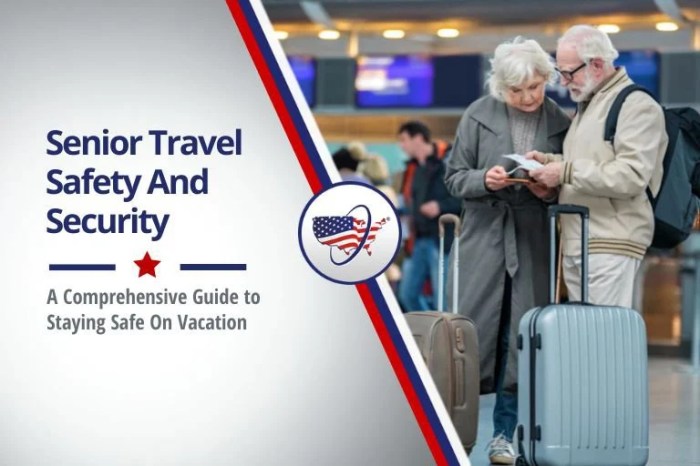
Safe and enjoyable senior travel hinges on proactive safety measures. Understanding potential risks and implementing preventative strategies is crucial for a worry-free experience. This section details practical steps to mitigate common threats and ensure personal security throughout your journey.
Avoiding Scams and Petty Theft
Senior travelers are sometimes targeted by scams and petty theft due to perceived vulnerability. Awareness and vigilance are your best defenses. Common scams include overly friendly strangers offering unsolicited assistance, fake charities soliciting donations, and counterfeit goods sold at inflated prices. Petty theft often occurs in crowded tourist areas, on public transportation, or in poorly lit areas.
- Be wary of unsolicited help or overly friendly strangers. If you need assistance, seek help from official sources like hotel staff or police.
- Avoid displaying large amounts of cash or expensive jewelry. Use money belts or hidden pockets to secure valuables.
- Be cautious of individuals who distract you while someone else steals your belongings (e.g., the “bump and grab” technique).
- Research common scams in your destination beforehand. Many travel websites and blogs provide information on prevalent tourist traps.
- When using ATMs, be aware of your surroundings and shield your PIN. Avoid using ATMs in isolated or poorly lit areas.
Maintaining Personal Safety While Traveling
Whether traveling solo or in a group, maintaining situational awareness is paramount. This involves being constantly alert to your surroundings, recognizing potential dangers, and taking steps to avoid them. Responsible behavior, such as avoiding risky situations and staying in well-lit and populated areas, further reduces risk.
- Share your itinerary with family or friends, including flight and accommodation details. Regularly check in with them.
- Avoid walking alone at night or in poorly lit areas, especially in unfamiliar locations. Use well-lit streets and public transportation whenever possible.
- Stay in reputable accommodations and familiarize yourself with emergency exits and safety procedures.
- Trust your instincts. If a situation feels unsafe, remove yourself from it immediately.
- Learn basic phrases in the local language to help you communicate in emergencies.
Essential Safety Items Checklist
A well-prepared senior traveler carries a few key items to enhance safety and peace of mind. These items provide crucial support in unexpected situations and enable quick responses to emergencies.
- Personal Emergency Response System (PERS): A PERS device allows for immediate contact with emergency services in case of a fall or other medical emergency. Many models offer GPS tracking for precise location identification.
- First-aid kit: A comprehensive first-aid kit should include essential medications, bandages, antiseptic wipes, pain relievers, and any personal medications.
- Copies of important documents: Keep copies of your passport, visa, travel insurance information, and other crucial documents in a separate location from the originals.
- Emergency contact list: Carry a list of emergency contacts, including family, friends, and your doctor, with their phone numbers and addresses.
- Medications: Pack sufficient medication for the entire trip, along with a copy of your prescription.
- Portable charger: A portable charger ensures your phone remains powered for emergencies.
Transportation Safety
Safe and comfortable transportation is crucial for senior travelers to enjoy their trips fully. Choosing the right mode of transport and understanding potential risks can significantly enhance the overall travel experience and minimize stress. This section will examine various transportation options and provide practical advice for safe travel.
Different modes of transportation offer varying levels of safety and convenience for senior travelers. Factors such as mobility limitations, personal preferences, and the length of the journey should be considered when making a choice.
Comparing Transportation Modes for Seniors
The following points compare the safety features of different transportation options, considering the specific needs of senior travelers.
- Air Travel: Generally considered safe, but airports can be challenging to navigate, especially for those with mobility issues. Airplanes offer comfortable seating and assistance is usually available. However, potential delays and long security lines can be tiring.
- Train Travel: Offers a more relaxed journey compared to air travel, with wider seats and accessible restrooms often available. Train stations are typically easier to navigate than airports, but baggage handling might present challenges for some seniors.
- Bus Travel: An economical option, but can be less comfortable for long journeys. Accessibility varies depending on the bus company and route. Rest stops can be infrequent and potentially inconvenient.
- Car Travel: Offers the most flexibility but requires good driving skills and physical fitness. Seniors should consider their driving abilities and potentially opt for alternative transportation if they have concerns about their safety or stamina.
Safe Airport Navigation for Seniors
Navigating airports can be daunting, particularly for seniors with mobility limitations. Planning ahead and utilizing available assistance services can make the process smoother and less stressful.
- Pre-booking Assistance: Many airlines offer assistance services for seniors with mobility issues. Pre-booking wheelchair assistance, and other special services is highly recommended.
- Airport Staff Assistance: Airport staff are generally helpful and can provide directions, assistance with baggage, and guidance through security checkpoints.
- Accessible Restrooms and Seating: Locate the nearest accessible restrooms and seating areas to take breaks during long waits.
- TSA PreCheck or Global Entry: Consider enrolling in TSA PreCheck or Global Entry programs to expedite the security screening process and minimize waiting time.
Safe Driving Practices for Seniors
Maintaining safe driving practices is crucial for senior drivers. Defensive driving techniques and awareness of physical limitations are essential for ensuring road safety.
- Regular Eye Exams: Regular vision checkups are vital to ensure good vision and safe driving. Vision impairment is a significant factor in accidents.
- Defensive Driving Techniques: Practice defensive driving techniques, such as maintaining a safe following distance, scanning the road ahead, and being aware of blind spots.
- Medication Awareness: Be aware of how medications may affect driving abilities. Some medications can cause drowsiness or impair reaction time.
- Physical Limitations: Acknowledge any physical limitations, such as reduced flexibility or strength, and adjust driving habits accordingly. Consider limiting nighttime driving or driving in challenging weather conditions.
- Regular Vehicle Maintenance: Ensure regular vehicle maintenance to prevent mechanical failures.
Accommodation Safety: Senior Travel Safety
Choosing safe and accessible accommodation is crucial for a stress-free senior travel experience. The right lodging can significantly impact comfort, security, and overall enjoyment of your trip. Careful consideration of safety features and accessibility needs will contribute to a more positive and worry-free journey.
Selecting appropriate accommodation involves more than just finding a comfortable bed. It requires a proactive approach to identifying and mitigating potential risks, ensuring a secure environment that caters to the specific needs of senior travelers. This includes considering both the physical aspects of the accommodation and the security measures in place to protect personal belongings.
Safety Features in Accommodation
When choosing hotels, vacation rentals, or other accommodations, prioritize locations with good lighting, visible security cameras, and readily available staff assistance. Look for properties with secure entrances, such as key card access or well-lit hallways. Ground floor rooms can offer easier access, minimizing the need for stairs, while rooms near elevators or with accessible entrances are particularly beneficial for those with mobility challenges.
Consider reading online reviews to assess the safety and cleanliness of the accommodation from the perspective of other travelers. Pay close attention to comments regarding security measures and accessibility features. For example, a review might mention the ease of accessing the room for someone using a wheelchair or the effectiveness of the security system in deterring theft.
Questions to Ask Accommodation Providers
Before booking, directly contact the accommodation provider to clarify specific safety and accessibility concerns. Confirm the presence of emergency call buttons or systems within the room and nearby. Inquire about the availability of grab bars in bathrooms and the presence of ramps or elevators for easier mobility. Ask about the security measures implemented, such as security personnel on-site, surveillance cameras, and secure parking options.
Understanding the property’s response to emergencies and the procedures in place for assisting guests with disabilities is also vital. For instance, you could ask about their procedures for handling medical emergencies or how they accommodate guests with visual impairments.
Securing Personal Belongings
Protecting valuables is paramount when traveling. In hotels, utilize the in-room safe for passports, money, and other irreplaceable items. Consider using door jammers or other security devices for added peace of mind in vacation rentals. Keep valuables out of sight and avoid displaying expensive jewelry or electronics. When exploring, use a money belt or secure travel bag to keep essential documents and cash close to your body.
Inform the accommodation staff of any valuable items you wish to leave in your room for safekeeping, and inquire about their procedures for storing valuable items if they offer this service. For instance, some hotels offer a safe deposit box at reception for guest valuables. Remember to always be aware of your surroundings and avoid leaving personal belongings unattended in public areas.
Planning and Preparation for Safe Senior Travel
Thorough planning is paramount for ensuring a safe and enjoyable trip for senior travelers. Careful consideration of various factors, from itinerary details to emergency preparedness, significantly reduces potential risks and enhances peace of mind. This section Artikels key steps to take before, during, and after your journey.
Detailed Itinerary Template for Senior Travelers
A well-structured itinerary is essential. It should include daily plans, specifying locations, times, and transportation methods. Crucially, it needs to incorporate safety checkpoints and emergency contact information. This allows for easy tracking of the senior traveler’s whereabouts and facilitates swift response in case of emergencies. Consider including the following in your template:
- Date: Clearly marked date for each day of travel.
- Time: Scheduled activities with specific times, including planned departure and arrival times for transportation.
- Location: Precise location of planned activities, including addresses and contact numbers for venues.
- Transportation: Detailed information about the mode of transportation, including flight numbers, train schedules, or taxi details.
- Activities: Description of planned activities and potential duration.
- Emergency Contacts: List of emergency contacts, including local emergency services numbers, family contacts, travel insurance provider, and your physician’s contact information.
- Medical Information: Include details about any pre-existing medical conditions, allergies, medications, and doctor’s name and contact information. Consider carrying a copy of this information separately from the itinerary.
- Accommodation Details: Hotel name, address, phone number, and reservation confirmation number.
Informing Family and Friends of Travel Plans, Senior travel safety
Keeping family and friends informed about travel plans is crucial for safety and peace of mind. Before departure, share your detailed itinerary with a designated contact person. Regular updates throughout the trip, especially if travelling solo, can alleviate concerns. Consider using technology to your advantage – a simple text message or email update at the end of each day can provide reassurance.
For longer trips, consider scheduling regular check-in calls.
Resources for Senior Travelers
Several resources can assist senior travelers in planning safe and enjoyable trips. These include government agencies offering travel advice and safety tips, travel assistance services providing emergency support, and websites dedicated to senior travel.
- Government Agencies: Many countries have government agencies that provide travel advisories and safety information for senior citizens. These agencies often offer resources specific to the needs of older travelers, such as information on accessible transportation and accommodations.
- Travel Assistance Services: These services offer various support options, including medical evacuation, emergency repatriation, and 24/7 assistance. They can provide valuable peace of mind, particularly for solo travelers or those with pre-existing health conditions.
- Websites: Numerous websites offer information and resources for senior travelers, covering topics such as accessible travel, travel insurance, and senior-friendly destinations.
Flight Deals and Hacks
Securing affordable airfare is a crucial aspect of budget-friendly senior travel. Several strategies can significantly reduce travel costs, allowing for more enjoyable and less financially stressful trips. This section will explore effective methods for finding and utilizing cost-saving opportunities when booking flights.Finding the best flight deals often requires a proactive approach and some savvy research. Many resources are available to assist seniors in securing affordable airfare, and understanding how to use them effectively can make a considerable difference.
Utilizing Price Comparison Websites and Senior Discounts
Price comparison websites aggregate flight data from various airlines and travel agencies, allowing users to quickly compare prices and find the best deals. Websites like Google Flights, Skyscanner, Kayak, and Momondo are popular choices. These sites often allow for flexible date searches, enabling travelers to identify cheaper options by adjusting their travel dates by a day or two.
Remember to check directly with the airline after finding a price you like, as sometimes booking directly can result in additional savings or better customer service options. Additionally, many airlines offer senior discounts, typically for travelers aged 65 or older. These discounts can range from a percentage off the ticket price to a reduction in baggage fees.
It’s always advisable to check the airline’s website directly or contact their customer service to inquire about any applicable senior discounts. Remember to have your identification ready to prove your eligibility.
Navigating Airport Security Efficiently and Comfortably
Airport security can be a stressful experience, especially for senior travelers. However, with proper planning and preparation, it can be navigated efficiently and comfortably. TSA PreCheck or Global Entry programs can significantly expedite the security process. These programs allow pre-approved travelers to bypass standard security lines, reducing wait times and minimizing potential physical strain. Packing light and strategically organizing carry-on luggage can also improve the security experience.
Keeping essential medications and any necessary assistive devices readily accessible is crucial. Familiarize yourself with TSA’s rules regarding liquids, gels, and aerosols to avoid delays. If you require additional assistance, don’t hesitate to inform TSA agents in advance. Many airports offer assistance programs specifically for seniors and individuals with disabilities.
Airlines Known for Good Service and Senior Accommodations
Several airlines are recognized for their superior service and accommodations for senior travelers. While individual experiences can vary, airlines like Southwest Airlines, Delta Air Lines, and United Airlines often receive positive feedback regarding their customer service and support for older passengers. These airlines frequently offer assistance programs for seniors needing help with boarding, deplaning, or managing their luggage.
However, it’s always recommended to contact the airline directly to inquire about specific services and to make any necessary arrangements before your flight. Consider factors such as in-flight amenities, seat selection options (aisle seats for easier mobility), and the airline’s reputation for handling passenger requests and concerns when choosing your carrier. Reading online reviews from other senior travelers can also provide valuable insights into an airline’s suitability for your needs.
Train Travel Guides
Train travel offers seniors a comfortable and scenic alternative to other modes of transportation, particularly for longer distances. This guide provides practical advice to help senior travelers plan and enjoy a safe and relaxing train journey. Understanding the nuances of train travel can significantly enhance the overall experience.
Booking Train Tickets
Securing train tickets in advance is crucial, especially during peak seasons or for popular routes. Many rail companies offer senior discounts, so be sure to inquire about these when booking. Online booking platforms often provide a clear comparison of prices and schedules, allowing for easy selection. Consider purchasing tickets directly from the railway company’s website to avoid potential third-party fees.
When booking, ensure you select seats with easy access to restrooms and other amenities, if needed. Printing your tickets or having them readily accessible on your smartphone is recommended.
Choosing Suitable Train Routes
Selecting the right train route involves considering factors beyond just the destination. The length of the journey, the frequency of stops, and the availability of amenities like onboard dining or Wi-Fi should all be factored in. For seniors, shorter journeys with fewer changes are generally preferable to minimize stress and potential discomfort. Researching the specific train route beforehand, including reviews from other passengers, can provide valuable insights into the overall travel experience.
Consider routes with less frequent stops if you are sensitive to motion sickness.
Packing Essentials for Train Travel
Packing strategically for a train journey is essential for a comfortable trip. A small, lightweight suitcase or carry-on bag is recommended to avoid unnecessary strain. Essential items include comfortable clothing, medication (with a copy of prescriptions), a travel pillow, a light blanket, reading material, and any necessary electronic devices with chargers. Don’t forget personal hygiene items and any snacks or drinks that you might prefer.
Packing a small first-aid kit is also advisable.
Navigating Train Stations
Train stations can be large and complex, so preparation is key. Familiarize yourself with the station layout before your departure using online maps or station information provided by the railway company. Look for accessible entrances and designated assistance points if you require extra help. Allow ample time to navigate the station and locate your platform. Consider using a wheelchair or other mobility aid if needed, and inform the station staff about any special assistance requirements.
Ensuring Comfort During Long Journeys
Long train journeys require planning for comfort. Comfortable clothing and footwear are crucial. Bringing a travel pillow and blanket can significantly improve sleep quality. Regular movement and stretching can help prevent stiffness. Staying hydrated by drinking plenty of water is essential.
Engage in relaxing activities like reading, listening to music, or enjoying the scenery. If you have any specific health concerns, be sure to take necessary precautions and have your medication readily available.
Advantages and Disadvantages of Train Travel for Seniors
Train travel offers several advantages for seniors. It’s generally more comfortable than other modes of transportation, offering more legroom and space. The scenic views and relaxed atmosphere can be enjoyable. Train travel can also be safer than driving, eliminating the stress of navigating roads and traffic. However, train travel can be slower than other options and may not be as flexible.
Accessibility might also be a concern depending on the specific train and station. The cost can also be a factor, although senior discounts can often mitigate this.
Cruise Ship Reviews (Safety Focused)
Choosing a cruise can be an exciting prospect for senior travelers, offering a chance to relax and explore new destinations. However, safety should be a paramount concern when selecting a cruise line and planning the trip. Understanding the safety features, protocols, and potential risks specific to older adults is crucial for a worry-free vacation.Cruise ships employ a range of safety features and protocols designed to ensure passenger well-being.
These include comprehensive emergency procedures, robust medical facilities staffed by trained personnel, and stringent security measures to prevent accidents and crime. Regular safety drills are conducted to familiarize passengers with emergency protocols, including muster station locations and evacuation procedures. Many ships also feature advanced fire suppression systems and 24/7 security personnel patrolling public areas. The availability and quality of medical facilities vary between cruise lines, with some offering more extensive care capabilities than others.
Cruise Line Safety Comparisons
Several factors differentiate cruise lines regarding their safety records and services tailored to senior passengers. Some lines, known for catering to a more mature clientele, often prioritize accessibility features and offer enhanced medical services. For instance, lines specializing in luxury travel frequently provide higher staff-to-passenger ratios and more advanced medical equipment. Independent reviews and reports from organizations such as the Cruise Critic website, which aggregates passenger reviews, can offer valuable insights into the safety record and overall passenger experience of different cruise lines.
Examining these reviews, focusing on comments regarding safety procedures and medical assistance, can inform your decision-making process. Consider researching incidents reported by specific lines to gain a clearer understanding of their safety track record. While all cruise lines adhere to international maritime safety standards, the quality of service and specific safety features can differ significantly.
Safety Concerns Specific to Senior Travelers on Cruises
Older adults may face unique safety challenges on cruise ships. Mobility limitations can increase the risk of falls, particularly on decks and in corridors. The demanding itineraries and long periods of travel can also exacerbate pre-existing health conditions. Furthermore, the environment of a cruise ship, with its crowded areas and many stairs, may present a higher risk of accidents compared to land-based travel.
Potential for seasickness should also be considered, which can be especially challenging for seniors with balance issues. Crowds can also lead to difficulties navigating the ship and increase the risk of being separated from travel companions.
Mitigating Safety Risks for Senior Cruise Passengers
Several strategies can help mitigate these risks. Choosing a cruise line with a strong safety record and good accessibility features is crucial. Booking a cabin located close to elevators and essential services can reduce the strain of navigating the ship. Selecting itineraries with fewer port changes and shorter sea days can minimize travel fatigue. Consulting with a physician before embarking on the cruise to address potential health concerns and obtain necessary medications is vital.
Packing appropriate footwear and using assistive devices like walking sticks or canes, if needed, can significantly reduce the risk of falls. Traveling with a companion offers additional support and assistance in navigating the ship and handling unexpected situations. Familiarizing oneself with the ship’s layout, emergency procedures, and the location of medical facilities before embarking can enhance preparedness and safety.
Finally, maintaining open communication with family members or friends about the cruise itinerary and well-being can provide peace of mind.
Road Trip Guides (Senior-Friendly)
Embarking on a road trip can be a thrilling adventure at any age, but for seniors, careful planning is key to ensuring a safe and enjoyable experience. This guide offers practical advice and considerations for seniors planning a road trip, focusing on aspects that promote comfort, safety, and minimize potential risks. We’ll cover route planning, rest stops, vehicle maintenance, strategies for comfortable long-distance driving, and resources for finding senior-friendly accommodations and activities.
Route Planning and Rest Stops
Effective route planning is crucial for a successful senior-friendly road trip. It involves choosing routes with minimal high-speed driving, incorporating frequent rest stops, and considering the proximity of medical facilities along the way. Planning for shorter driving days, broken up by regular breaks, helps prevent fatigue and allows for flexibility in case of unexpected delays or health concerns.
For instance, instead of aiming for a 600-mile drive in one day, consider breaking it down into two 300-mile segments, allowing for ample rest and relaxation in between. Using GPS navigation systems with customizable route options allows for the selection of routes that prioritize slower speeds and minimize stress. A detailed itinerary with planned rest stops at regular intervals should be prepared in advance.
Furthermore, researching the availability and amenities of rest stops along the selected route is highly recommended. Many rest areas offer facilities such as restrooms, picnic tables, and even walking paths, promoting physical activity and reducing stiffness.
Driving Long Distances Comfortably and Safely
Driving long distances requires careful attention to comfort and safety. Regular breaks are essential to combat fatigue. Aim for a 15-20 minute break every two hours of driving. During these breaks, engage in light stretching exercises to improve circulation and reduce stiffness. Staying hydrated is crucial, especially in warmer climates.
Keep a water bottle readily available and drink regularly throughout the journey. Maintain a comfortable driving posture and adjust mirrors and seat positioning to optimize ergonomics. If experiencing any signs of fatigue or discomfort, pull over to a safe location and rest before continuing the journey. Consider utilizing advanced driver-assistance systems such as adaptive cruise control and lane-keeping assist, which can help reduce driver fatigue and improve safety.
These systems can ease the strain of long drives, particularly beneficial for seniors.
Vehicle Maintenance and Pre-Trip Checks
Prior to embarking on a road trip, a thorough vehicle inspection is paramount. This includes checking tire pressure, fluid levels (oil, coolant, brake fluid), and ensuring the overall mechanical condition of the vehicle. A pre-trip service by a trusted mechanic is highly recommended to identify and address any potential issues before the journey begins. This proactive approach can prevent breakdowns and unexpected delays, enhancing the overall safety and peace of mind during the trip.
Regular maintenance, including tire rotations and oil changes, should be up to date before commencing the journey. Carrying a well-stocked emergency kit, including jumper cables, a flashlight, and basic tools, is also advisable. The kit should also include any necessary medications and personal items.
Finding Senior-Friendly Accommodations and Activities
Many hotels and accommodations cater specifically to the needs of senior travelers. These establishments often offer features such as accessible rooms, grab bars in bathrooms, and readily available assistance. Websites and travel agencies specializing in senior travel can provide valuable resources for finding suitable accommodations. Similarly, numerous websites and guides offer information on senior-friendly activities and attractions along popular road trip routes.
These resources can help in planning enjoyable and accessible excursions that cater to the physical limitations of senior travelers. For example, searching for “senior-friendly hiking trails” or “accessible museums” in specific locations can yield valuable results. Prior booking is highly recommended, particularly during peak seasons.
Budget Accommodation Tips for Seniors
Traveling on a budget doesn’t mean sacrificing comfort or safety, especially for senior travelers. With careful planning and smart choices, seniors can find affordable and secure accommodation options that meet their needs and enhance their travel experience. This section provides practical advice and strategies for finding budget-friendly lodgings while prioritizing safety and peace of mind.Finding affordable yet safe accommodation requires a multi-pronged approach.
It involves researching various options, understanding the importance of location and reviews, and employing effective negotiation tactics. Prioritizing safety should never be compromised, even when aiming for budget-friendly travel.
Choosing Accommodation Types
Seniors have several budget-friendly accommodation choices. Hostels, while often associated with younger travelers, increasingly offer private rooms with ensuite bathrooms, providing a quiet and secure environment at a lower cost than hotels. Budget hotels, often found slightly outside city centers, frequently offer competitive rates and basic amenities. Guesthouses, usually smaller family-run establishments, provide a more personal touch and can be excellent value for money, often including breakfast.
Consider the trade-offs between cost, privacy, and amenities when selecting your accommodation type. For instance, a hostel private room might offer greater privacy than a budget hotel’s standard room at a comparable price.
Negotiating Prices and Finding Discounts
Negotiating prices, especially during the off-season or for longer stays, is often possible. Websites and apps such as Booking.com, Expedia, and Kayak often display a range of prices from different vendors for the same accommodation, allowing you to compare and potentially negotiate. Consider contacting the accommodation directly; many are willing to offer discounts for longer stays or repeat bookings.
Senior discounts are sometimes available, so always inquire about any potential savings. Joining loyalty programs with hotel chains or booking platforms can also unlock exclusive deals and lower prices. For example, booking a room directly with a small guesthouse may allow you to negotiate a lower rate than booking through a third-party platform.
Identifying Safe and Reputable Budget Accommodations
Thorough research is crucial for identifying safe and reputable budget accommodations. Read reviews on trusted travel websites, paying close attention to comments about safety and security. Look for accommodations with good lighting, secure entrances, and readily available staff. Consider the location; a well-lit area with nearby amenities and easy access to transportation is preferable. Check the accommodation’s cancellation policy and ensure it aligns with your travel plans.
Verification of online reviews through multiple sources is highly recommended. For example, comparing reviews on Booking.com, TripAdvisor, and Google Maps can provide a more holistic picture of the accommodation’s safety and reputation.
Ultimately, safe and enjoyable senior travel hinges on proactive planning, informed decision-making, and a healthy dose of preparedness. By carefully considering the health, safety, and logistical aspects of your journey, you can significantly reduce risks and maximize the rewards of exploring new horizons. Remember, the journey itself is a significant part of the experience, and with proper planning, seniors can travel with confidence and create lasting memories.
FAQ Explained
What are some common scams targeting senior travelers?
Common scams include advance-fee fraud, counterfeit tickets, and fake charity solicitations. Be wary of unsolicited offers and always verify information independently.
How can I ensure my medication is safe during travel?
Carry medications in their original containers, with labels clearly visible. Pack enough medication for the entire trip, plus extra in case of delays. Keep medications in your carry-on bag.
What should I do if I experience a medical emergency while traveling?
Contact your travel insurance provider immediately. Seek medical attention at the nearest hospital or clinic. If possible, contact family or friends for support.
What are some tips for staying hydrated while traveling?
Carry a reusable water bottle and refill it regularly. Drink water consistently throughout the day, even if you don’t feel thirsty. Avoid excessive alcohol and caffeine.